
15 July 2026
The Best Resin Driveway Colours For Swindon Homes (And How To Choose)
Choosing the colour is the fun part of a resin driveway - and the part people agonise over most. It’s also the decision you live with for 20-plus years, so it’s worth getting right. The good news is resin gives you options no other surface can: dozens of natural aggregate blends, from pale gold to near-black, mixed to whatever suits your home. Around 70% of the resin driveways we lay in Swindon land in the grey-to-buff range, but the “right” colour depends entirely on your brickwork, how much cleaning you’re willing to do, and the look you’re after. Here’s how to narrow it down without ending up staring at forty near-identical sample trays.
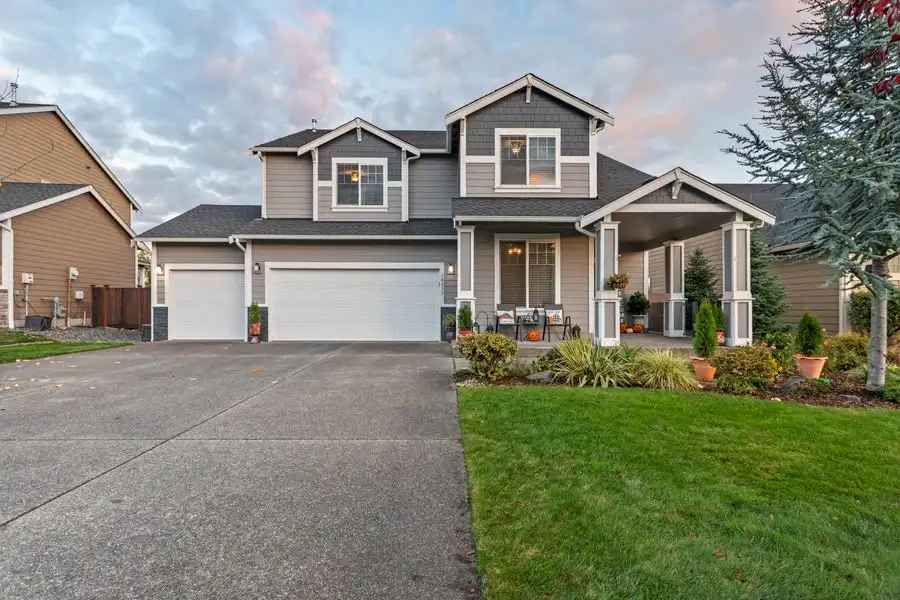
Start With The House, Not The Driveway
The most common mistake is choosing a colour in isolation - falling for a sample in bright showroom light without holding it against the actual brick, render, and roof it’ll sit beneath. The driveway is the biggest single surface at the front of most homes, so it either ties the frontage together or fights it.
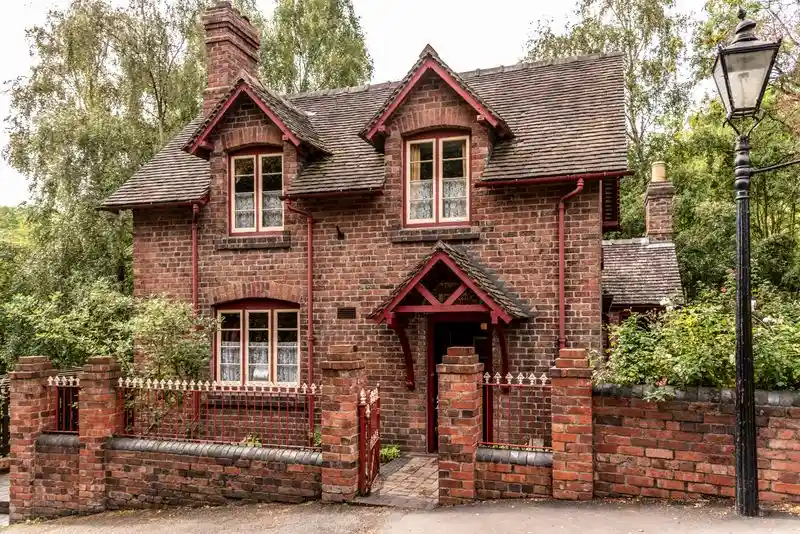
Walk out to the kerb and look at what’s already there. Red-brick Victorian terraces around Old Town and the 1930s semis off Kingshill or Croft Road have warm tones that buff, gold, and autumn blends pick up beautifully. Newer render and grey-brick builds on the Wichelstowe and Badbury Park estates lean cooler, and silver, mid-grey, or charcoal keep that clean modern line. If you want a resin bound driveway that looks intentional rather than bolted on, the brickwork is your brief - we’ll always hold samples against the house before you commit.
One tip that saves a lot of second-guessing: photograph the front of your house on a dull day and a bright one. Swindon gets its share of grey skies, and a colour that sings in July sunshine can look flat and cold under November cloud. You want one that works in both.
Grey: The Safe, Smart Default
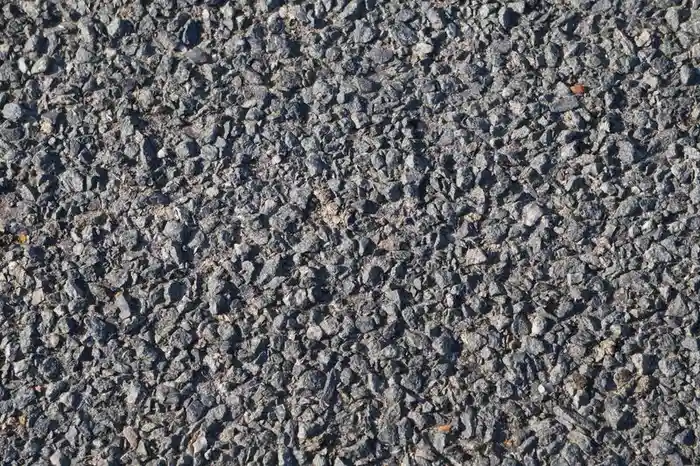
Grey is the most-requested resin colour for a reason. It goes with almost anything - it sits comfortably against nearly any brick, complements black or anthracite window frames (hugely popular on newer Swindon builds), and looks modern without being a trend that dates.
There’s more range here than people expect. Silver grey blends are light and bright, with flecks of white and pale stone that lift a shaded frontage. Mid-greys are the workhorse - forgiving, neutral, and the best all-rounder for hiding dirt. Charcoal and graphite greys are dramatic and contemporary, brilliant against a white render or a pale front door, but they do show dust, pollen, and the fine grit that blows around, so factor in a wash every few weeks in summer if you want that deep colour to stay sharp.
If you genuinely can’t decide, a mid-grey blend is the closest thing to a no-regrets choice. It’s why it’s the single most common driveway we lay across the town.
Buff, Gold And Earth Tones
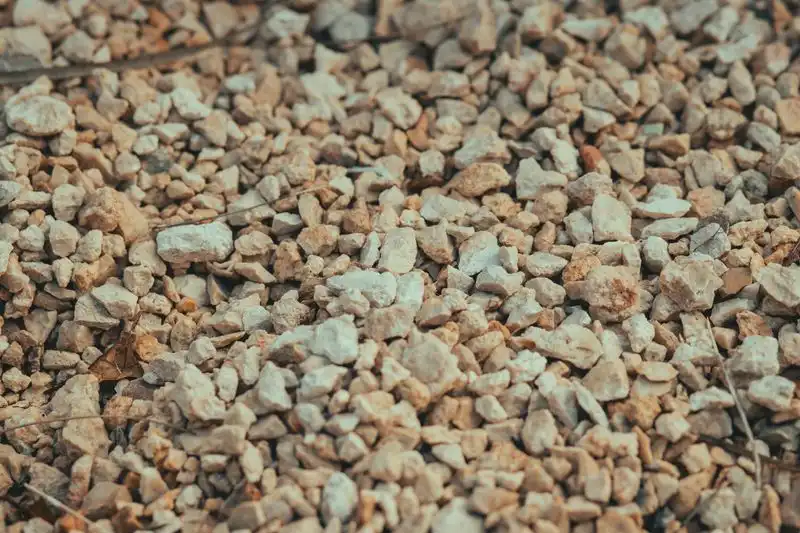
Buff and gold blends are the warm alternative, and they’re the ones that make an older property feel settled and characterful rather than clinically modern. On honey-stone, render, or the softer red brick common in Swindon’s older streets, a buff or golden-gravel blend feels like it belongs.
These earth tones are also among the most practical for low maintenance. Because they’re naturally varied - flecks of cream, gold, brown, and amber all in one blend - they disguise dust, dry-weather dirt, and the odd leaf stain far better than a flat colour. For families, or anyone who’d rather not be out with the hose every fortnight, a warm blend earns its keep.
The one thing to watch is undertone. Some buff blends pull quite yellow, which can clash with cooler grey brick or blue-grey roof tiles. Holding the sample against the roofline as well as the wall catches this before it becomes a 20-year regret.
Dark And Statement Colours
Charcoal, near-black, and deep blends make a bold, high-end statement, and against the right property they look superb - think a pale rendered house with a slate roof, or a sharp new-build with anthracite everything. A dark driveway grounds a frontage and makes planting and pale walls pop.
The trade-off is honesty about upkeep. Dark surfaces show two things: light-coloured dust and drying salt marks, and any dropped aggregate or wear. In Swindon’s climate that means a bit more washing through spring pollen season and after dry spells when dust settles. None of it is hard work - a hose-down or a low-pressure wash sorts it - but if the idea of any regular cleaning puts you off, a mid-tone will look “clean” for longer between washes.
Darker colours also feel warmer underfoot in summer, which is a non-issue for a driveway but worth knowing if the same surface wraps round to a patio or seating area.
How Colour Affects Practical Performance
Colour isn’t purely cosmetic - it interacts with a couple of practical things worth knowing before you sign off a blend.
First, dirt and marking, which we’ve touched on: blended mid-tones hide everyday grime best, solid pale and solid dark show the most. Second, perceived space - lighter colours make a small front driveway feel bigger and more open, while dark colours can make a compact frontage feel tighter but a large driveway feel expensive and grounded. If you’ve got a modest terrace frontage, a lighter blend often works in your favour visually.
There’s also the permeability point, which is the same whatever colour you pick. Resin bound surfacing is porous, so it drains through and generally avoids the planning permission that solid surfaces over five square metres can trigger. The government’s guidance on permeable surfacing of front gardens explains why permeable finishes are treated differently - the colour makes no difference to this, but it’s a genuine advantage of the material worth remembering while you’re choosing.
Getting The Resin Right, Not Just The Colour
Here’s the bit that gets overlooked in all the excitement about shades: the most beautiful blend in the world looks cheap if it’s laid in poor resin. UV stability is the thing to ask about. Quality resin is UV-stable, so it stays clear and lets the true stone colour show for the life of the driveway. Cheaper, non-UV-stable resin ambers over time, and that yellowing shifts your carefully chosen grey towards a muddy warm tone nobody asked for.
This matters most on the colours people care about most - crisp greys and clean whites show yellowing first. So when you’re comparing quotes, don’t just compare colours; ask what resin is being used and whether it’s UV-stable. It’s the difference between a driveway that still looks like the sample in fifteen years and one that doesn’t. If you’re weighing up quotes generally, our guide to choosing a resin driveway installer covers the other questions worth asking.
See The Colours On Your Own Driveway
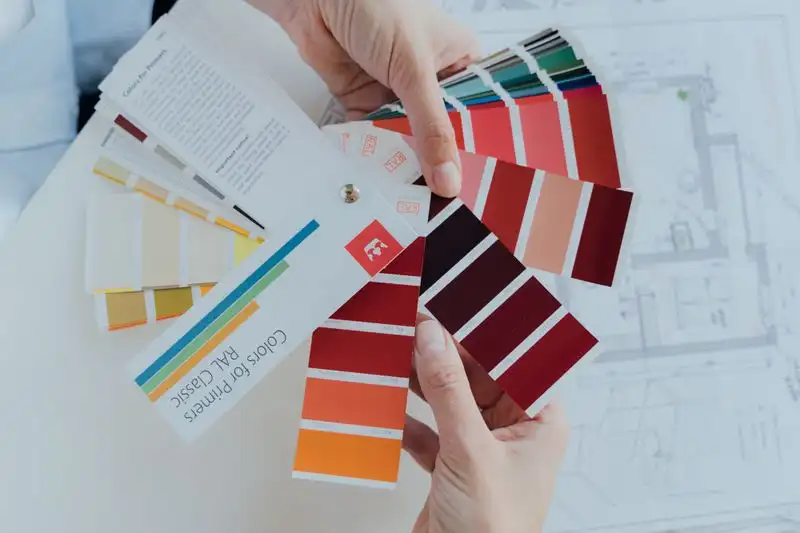
Samples in a brochure or on a screen only get you so far. Aggregate colour changes with light, with the size of the area, and with what’s around it - a tray that looks perfect indoors can read completely differently spread across 35 square metres of your actual frontage.
The only reliable way to choose is to see real samples against your own house, in your own light. Book a free consultation and we’ll bring a range of blends to hold against your brick, talk through how each will wear and clean over the years, and help you land on a colour you’ll still be happy with a decade from now.
Frequently Asked Questions
What is the most popular resin driveway colour?
Silver grey and mid-grey blends are the most popular resin driveway colours in the UK, and it's the same in Swindon. They suit modern and period properties, sit well against both red and buff brick, and hide general dirt and tyre marks better than very light or very dark shades. Buff and gold tones are the next most common, particularly on older stone or render properties. Charcoal is a strong contemporary choice but shows dust and requires a bit more washing to stay looking sharp.
Which resin driveway colour hides dirt best?
Mid-tone blends hide dirt best - mixed grey, buff-and-grey, or gold-and-brown aggregates. Because the colour is varied rather than uniform, small amounts of dust, leaf staining, and tyre marks blend into the natural variation of the stone rather than standing out. Solid pale colours like pure cream show every mark, and solid black shows dust and pollen. If low upkeep is a priority, a blended mid-tone is the sensible pick.
Should a resin driveway match the house or contrast with it?
Most Swindon homeowners get the best result by complementing rather than exactly matching the house. Picking up a tone from the brickwork, roof, or window frames ties the driveway into the property without looking like a paint match. For red-brick Victorian and 1930s homes, buff and gold blends warm the frontage; for newer render or grey-brick builds on estates like Wichelstowe, silver and charcoal greys look crisp. Exact matches can look flat - a shade's difference usually reads better.
Do resin driveway colours fade over time?
Good quality resin driveways barely fade because the colour comes from natural aggregate stone, not a dye or coating, and the binder is UV-stable so it doesn't yellow. Cheaper non-UV-stable resin can yellow within a few years, which shifts the whole colour warmer and is most obvious on greys and whites. This is one more reason the resin specification matters as much as the colour you choose - a beautiful blend laid in poor resin won't stay beautiful.