
1 July 2026
How Long Does A Resin Driveway Last? What Swindon Homeowners Should Know
Most homeowners asking about resin driveways want to know the same thing: how long is it actually going to last? The answer you’ll see quoted most often is 20-25 years, and that’s accurate - but only under one condition. The sub-base underneath has to be right. A resin bound surface laid on a properly prepared, compacted permeable foundation will still be in good shape two decades later. The same resin laid on a cut-price sub-base, or straight over unstable clay ground, can start showing problems in under five years. In Swindon especially, where much of the town sits on heavy clay that moves with the wet and dry cycle, sub-base quality is the single biggest factor in how long a resin driveway holds up. Here’s what you actually need to know before you commit.
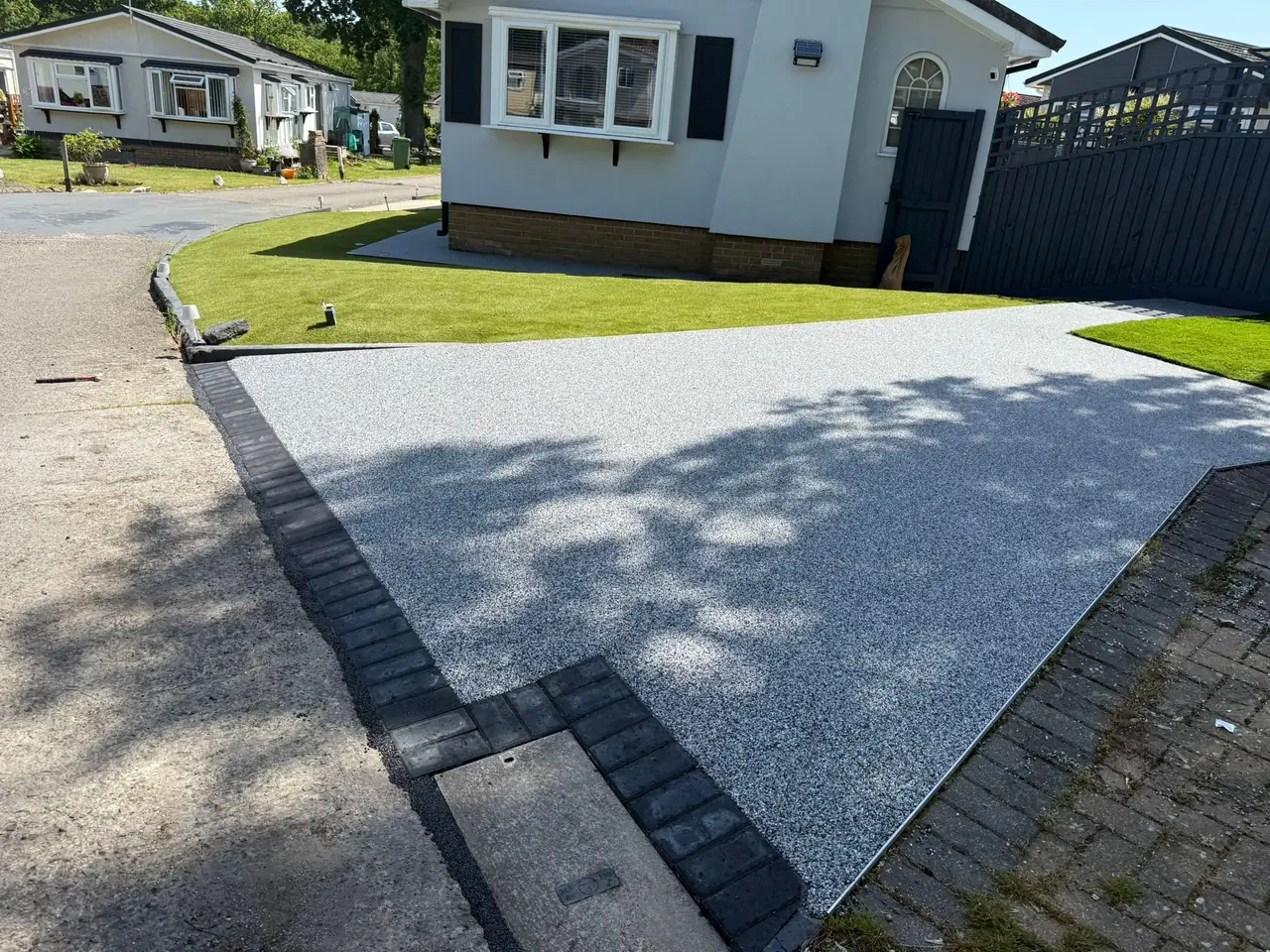
What “20-25 Years” Actually Means
Resin bound surfacing uses a UV-stable polyurethane resin mixed with natural aggregate stone. UV-stable means the binder doesn’t break down in sunlight and yellow or crumble over time - unlike older epoxy-based systems, which used to be the standard and which you’ll still see on some driveways laid in the early 2000s, often looking washed out and flaking at the edges.
The aggregate itself - whatever stone blend is chosen - doesn’t degrade under normal conditions. The surface won’t rot, rust, or dissolve in rain. What can cause problems over time is the bond between the resin and the sub-base beneath, and the stability of that sub-base under load and ground movement.
Under normal residential use - cars parking, people walking, typical UK weather - a well-installed resin surface should see 20-25 years without needing more than occasional cleaning. Some installations from the mid-2000s, when the product first became mainstream in the UK, are still performing well now. The 25-year figure isn’t marketing copy; it reflects what the material actually does when it’s installed correctly.
The Sub-Base Is What Actually Determines Longevity
A resin bound driveway is essentially a 15-18mm layer of bonded stone and resin sitting on top of whatever foundation is underneath it. The surface itself is tough, but it’s not structural - it relies entirely on the sub-base to stay flat, stable, and crack-free.
A proper sub-base for a resin driveway in a residential setting is typically 100-150mm of compacted MOT Type 3 (or Type 1 in lower-traffic areas), laid over any necessary membrane and formed to the correct falls for drainage. On clay ground like Swindon’s, getting the depth right is more important than usual because clay is less stable than chalk or limestone subsoil - it moves more with moisture changes, and an undersized sub-base won’t absorb that movement without transferring it to the surface.
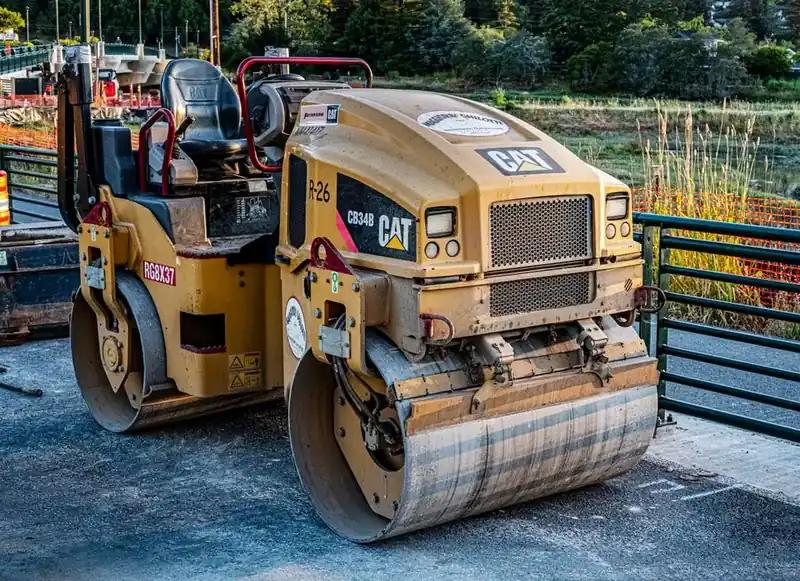
Where driveways fail early, it’s almost always because of one of three things: the sub-base was too thin (some installers use 50-75mm to cut costs), the sub-base material was wrong (recycled mixed aggregate doesn’t compact as consistently as clean crushed stone), or the sub-base wasn’t compacted properly (a single light pass with a plate compactor isn’t enough on clay ground).
None of this is visible once the resin is down. Which is why, when someone asks us how long a resin driveway lasts, the honest answer is: it depends what’s underneath it.
How Swindon’s Clay Soil Affects Lifespan
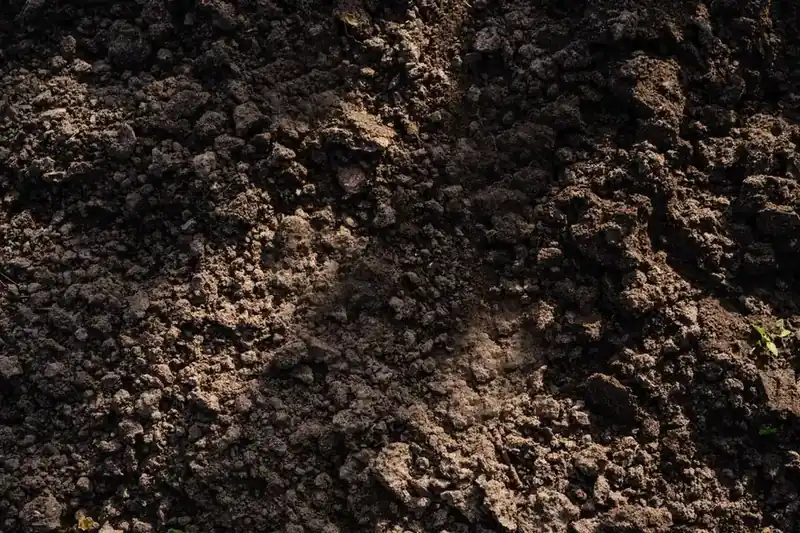
Clay is the defining feature of Swindon’s ground conditions. The town sits in a river valley, and most of the residential areas - from Stratton and Park North in the north to Walcot and Liden in the east, and across to Wroughton and Covingham in the south - have the same underlying clay. It varies in depth, but it’s almost always there.
Clay is what engineers call “shrink-swell” soil. In dry weather, it loses moisture and contracts. In wet weather, it absorbs water and expands. On a well-built driveway with a proper permeable sub-base, this movement doesn’t reach the surface because the stone sub-base absorbs it. But if the sub-base is too thin, or if an impermeable surface traps water in the clay layer beneath, the movement transfers upward and eventually cracks or lifts the surface.
Resin’s permeability actually helps here. Water drains straight through the surface and down through the permeable sub-base rather than pooling on top or running sideways into the clay layer. A resin driveway on Swindon’s clay, done properly, typically outperforms block paving or standard tarmac over the long term because it doesn’t hold water at the surface where it can freeze and get into joints.
Signs A Resin Driveway Is Getting Near The End Of Its Life
Even a well-installed driveway won’t last forever. Here’s what to look for when a resin surface is starting to age out.
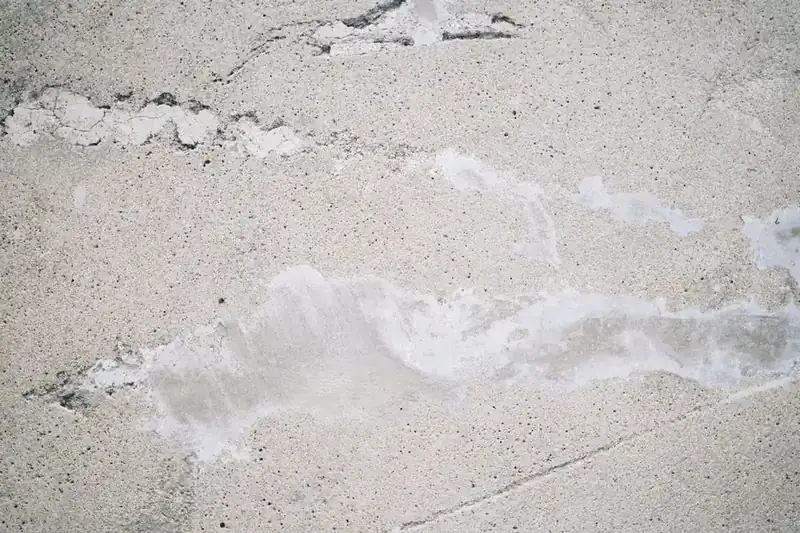
Surface cracking is usually the first visible sign - either hairline cracks following the falls of the sub-base, or wider cracks that appear in the same place every wet season and grow over time. A few isolated hairline cracks after 15-20 years are normal and don’t necessarily mean the driveway needs replacing. Cracks that spread, reopen after patching, or appear within the first 5-7 years of installation point to a sub-base problem rather than normal aging.
Loose aggregate - where individual stones start to come away from the surface - can happen at the very end of the driveway’s life when the resin bond has degraded enough to release stone. It’s more common at edges and around drain covers where thin sections are more exposed. On a driveway less than 15 years old this shouldn’t be happening.
Colour fading on older installations using non-UV-stable resin is worth being aware of, though virtually all resin sold in the UK since around 2010 is UV-stable. If you have an older driveway installed pre-2010, yellowing or a washed-out finish could be a resin quality issue rather than a maintenance problem.
Drainage failure - water sitting on the surface after rain rather than draining through - usually means the base beneath has compacted or shifted enough to block the drainage voids in the surface. Worth investigating before it leads to surface damage.
What Can Shorten A Resin Driveway’s Lifespan
Some things that affect lifespan are under your control; others are down to how the driveway was installed in the first place.
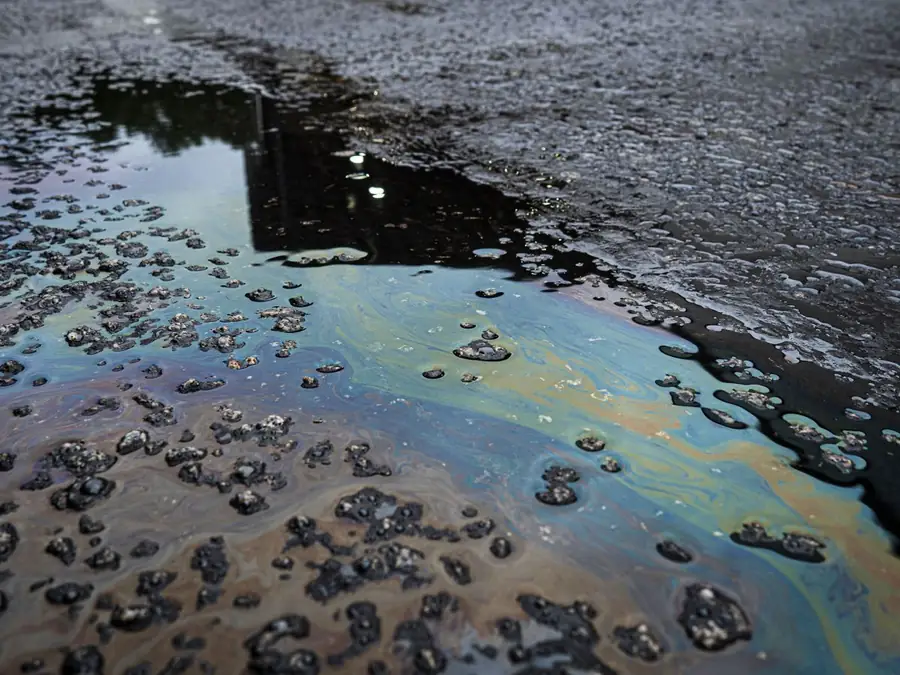
Oil and chemical spills are probably the most controllable risk. Engine oil, petrol, and some degreasers can soften the resin bond if left on the surface. Clean them up quickly with a degreaser and rinse - don’t let them sit and soak in. A one-off spill isn’t a disaster; repeated spills in the same spot are.
Pressure washing at high pressure can blast aggregate loose from the surface, especially at edges. Use a wide fan setting and keep the lance moving rather than holding it in one spot.
Heavy loads regularly parked in the same position - a skip lorry, a large HGV, or a static caravan sitting in the same spot for months - can cause localised indentation on any resin surface, particularly in warm weather when the resin is softer. Residential cars are fine; prolonged heavy loads at the edges (where the sub-base is thinnest) are the risk.
Tree roots near the edge of a driveway are worth watching on older properties with established trees. Roots growing under a sub-base will lift any surface over time. Something to flag on a site visit if there are mature trees within a couple of metres of the driveway edge.
How To Get 25+ Years From Your Resin Driveway
The honest answer to extending a resin driveway’s lifespan is that most of the work happens before the resin goes down, not after. Choosing an installer who assesses the ground conditions properly, specifies the right sub-base depth for your soil type, and uses UV-stable resin from a reputable supplier is worth more than any amount of aftercare.
After installation, maintenance is simple. Sweep leaves and debris off regularly - not because leaves damage resin, but because accumulated organic matter holds moisture and can encourage moss in shaded spots. Wash the surface down once or twice a year with a garden hose or pressure washer on a low setting. Deal with oil spills quickly. That’s about it.
If a section does develop a problem - a small crack, a loose area near a drain cover - deal with it quickly rather than leaving it. Small repairs are straightforward and relatively inexpensive. Ignored small problems become large problems that are harder to patch cleanly.
For anything you’re unsure about, get in touch for a free site visit - we can assess the condition of an existing resin driveway and give you a realistic opinion on whether it needs repair, is worth refreshing, or has genuinely come to the end of its useful life.
Frequently Asked Questions
How long does a resin bound driveway last in Swindon?
A resin bound driveway installed on a properly prepared, compacted permeable sub-base should last 20-25 years under normal residential use. Driveways laid on inadequate sub-bases or directly over unstable ground - common on Swindon's clay soils if groundwork is cut short - can show cracking or lifting much sooner, sometimes within 5-7 years.
Does Swindon's clay soil affect how long a resin driveway lasts?
Yes. Swindon sits on heavy clay, which expands when wet and shrinks when dry. An impermeable or poorly drained sub-base traps water in the clay, which accelerates movement and can cause the surface to crack or lift over time. A permeable resin surface over a properly compacted stone sub-base lets water drain through, which stabilises the clay beneath and significantly extends the driveway's life.
What's the main reason resin driveways fail early?
Poor sub-base preparation is by far the most common cause. A resin surface is only as stable as the base it's laid on. If the sub-base is too thin, not properly compacted, or uses the wrong material, the surface will crack or lift regardless of how good the resin itself is. This is why a site visit to assess existing ground conditions matters before any quote is given.
Can a resin driveway be repaired if it starts to crack?
Small cracks and isolated areas of failure can usually be patched - a section is cut out and relaid with matching aggregate and resin. The repair is rarely invisible because the new section cures to a slightly different shade until it weathers in. For more widespread failure caused by sub-base problems, a patch repair is only a short-term fix - addressing the sub-base is the only way to get a lasting result.