
4 July 2026
How Long Does A Resin Driveway Take To Install? A Swindon Guide
One of the most common questions before a driveway job is about timing - specifically, how long the disruption is going to last and when the driveway will be usable again. Parking has to go somewhere while the work is happening, and knowing the schedule helps people plan around it.
The short answer for most Swindon residential driveways is one to two days. But what that actually means depends on what the job involves. Here’s what happens and when.
What Determines How Long The Job Takes
The biggest variable is the condition of what’s already there.
If there’s an existing hard surface - tarmac, concrete, or old block paving - that’s structurally sound, drains correctly, and has the right falls, resin can often be laid directly on top. In that case, the job is essentially a single day: prep the surface, mix and lay the resin, clean up, done.
If the existing surface is failing, poorly drained, or not suitable as a base, it needs to come up. That means a day of breaking out and removing the old material, laying and compacting a new sub-base to the correct depth and specification, and then a second day for the resin work itself. On Swindon’s clay ground, where sub-base depth matters more than it does on more stable soils, skipping this step is a false economy - so we don’t.
The size of the driveway matters too. A 20-25m² front driveway is a different scale to a 60m² driveway wrapping around to a side gate. Larger jobs take longer, and jobs with more complex edging, drainage channels, or pattern breaks take more time to lay neatly.
What Happens On Day One
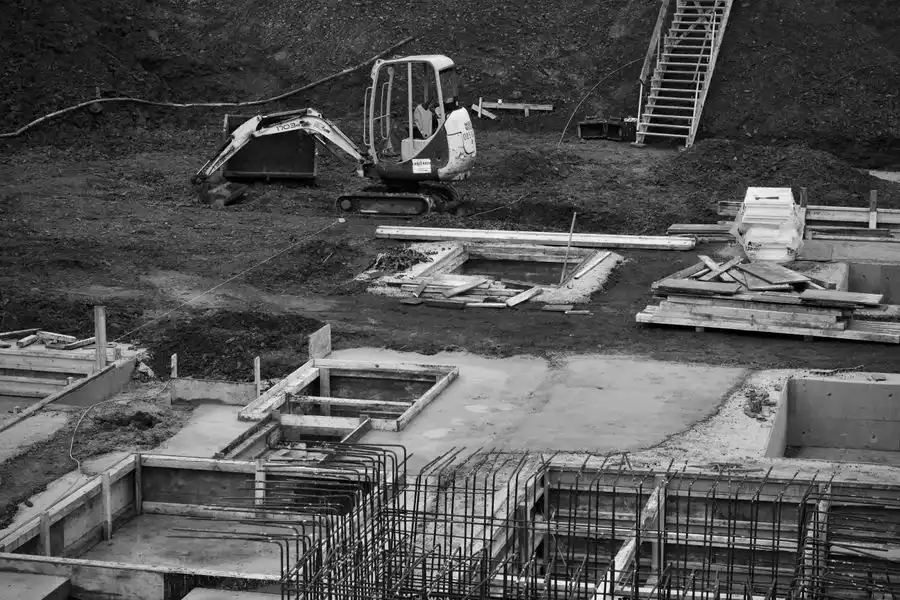
On most jobs that require groundwork, day one is entirely sub-base work. No resin is laid yet.
The existing surface is broken out and removed - skip lorry or grab lorry depending on the volume of material. The area is then excavated to the right depth for the sub-base specification, which on clay ground like Swindon’s is typically 100-150mm of compacted MOT Type 3. The sub-base is laid in layers, each compacted before the next goes down. Edge restraints are installed if needed. At the end of day one, you have a clean compacted base ready for the resin work - and a driveway you can’t use.
On jobs going over an existing surface, day one is the resin installation. The surface is cleaned and any repairs to the existing base are carried out first. Then the resin and aggregate is mixed in batches and laid by hand, section by section, working across the driveway to avoid treading on freshly laid material. Edge details are finished, any drainage covers or inspection hatches are set flush, and the crew leaves the surface to cure.
Day Two: The Resin Goes Down
On two-day groundwork jobs, day two is the resin installation. By this point the sub-base has had time to settle overnight, and the edge restraints are in place.
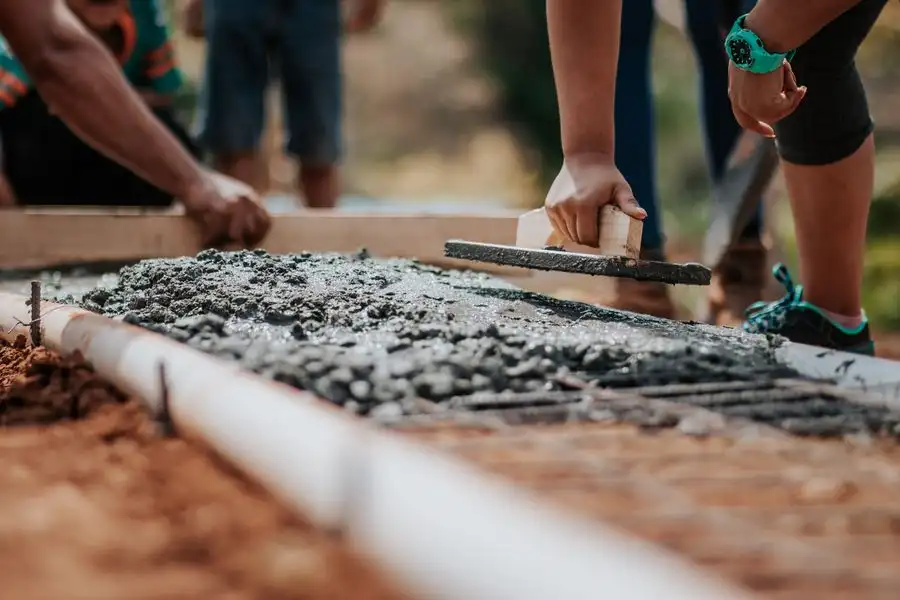
The mix is prepared fresh on site - resin bound surfacing has a short working time once mixed, so small batches are made continuously rather than one large mix at the start. The aggregate is blended, coated in resin, and trowelled onto the prepared base at an even 15-18mm depth. The crew works across the driveway, finishing edges and any features as they go.
A typical 30-40m² driveway with a standard aggregate blend takes a crew of two to three people most of the day to lay properly. Larger driveways or those with detailed edging work take longer.
What Can Slow Things Down
Weather is the main one. Resin bound surfacing can’t be laid in rain - moisture in the aggregate or on the base surface affects the cure and can cause bonding problems. It also can’t be laid below about 5°C, as cold slows curing to the point where the resin doesn’t achieve full strength. Swindon’s climate is mild enough that this rarely causes problems in spring or summer, but autumn and winter jobs need weather flexibility built in. We monitor the forecast in the days before and adjust scheduling if conditions aren’t right - better to delay by a day than lay in marginal conditions and risk a poor result.
Unexpected ground conditions can add time. If excavation uncovers soft spots, tree roots, old drainage runs, or rubble fill that wasn’t visible from the surface, that adds work before the sub-base can go in. We can usually absorb minor surprises within the quoted scope, but significant unexpected groundwork is discussed and agreed on site before proceeding.
Large or complex layouts simply take longer. A driveway with a turning circle, pattern inlays, or multiple drainage channels involves more setting out and more careful hand-finishing than a simple rectangle.
How Long Until You Can Use It
Resin bound surfacing cures chemically, not by drying - so the surface is firm enough to walk on within hours of being laid, but full cure takes longer.
For foot traffic, wait until the next morning at minimum, longer if it was laid late in the day or in cooler conditions. For cars, wait 48-72 hours before driving on the surface. In warm summer conditions 48 hours is usually fine. In cooler weather or autumn installations, 72 hours is safer. The resin continues curing for several days after that, so avoid turning on a tight lock or parking a heavy vehicle in the same spot repeatedly for the first week.
Sharp turns at low speed are the hardest thing on a newly cured surface - the shear stress from a turning tyre can pull aggregate loose before the resin has fully hardened. Once fully cured, it’s not a concern.

Planning Around The Work
Most people find one or two days of driveway disruption easy enough to manage. The main practical question is where cars go during the work - usually the road, a neighbour’s drive, or a nearby car park for the day.
If your property relies on the driveway for access to a garage or outbuilding, confirm which day access will be restricted. On groundwork jobs that’s the resin installation day and the 48-72 hours after. The driveway will also be unusable at the end of day one - just compacted stone, no surface yet - so plan for two nights without it if you need access. We confirm the schedule and access plan with every customer before starting.
Getting An Accurate Timeline For Your Job
The timing above covers most standard residential jobs in Swindon. The honest answer for your specific driveway depends on what we find on site - the condition of the existing surface, the size and layout, and what the ground tells us when we start.
Every quote includes a site visit where we assess the base, check drainage, and give you a realistic picture of how many days the job will take. Get in touch to arrange a free visit - it costs nothing and means you get an accurate answer rather than a best guess.
Frequently Asked Questions
How long does a resin driveway take to install in Swindon?
Most standard residential resin driveways in Swindon take 1-2 days to install. A straightforward replacement on an existing sound base can be done in a single day. Jobs that require groundwork - excavating and laying a new sub-base, or removing an old surface - typically take 2 days. Larger driveways or those with complex edging, drainage features, or pattern work take longer.
How long before you can walk or drive on a new resin driveway?
Resin bound surfacing typically cures enough for foot traffic within 24 hours of laying. You should wait at least 48-72 hours before driving on it, and ideally 72 hours in cooler or damper conditions. Curing continues for several days after that, so avoid turning sharply or parking heavy vehicles on the surface for the first week.
Does the weather affect how long a resin driveway installation takes?
Yes. Resin bound surfacing should not be laid in rain or below 5°C, as moisture and cold both affect how the resin cures. Installers will reschedule if conditions aren't right rather than risk a poor result. In Swindon's climate, spring and summer installations are straightforward; autumn and winter jobs require more flexibility around weather windows.
What preparation is needed before a resin driveway can be installed?
The existing surface needs to be assessed for condition and drainage. If it's sound - no cracking, no movement, adequate falls - resin can often be laid directly over it. If the existing surface is failing, or if there's no suitable base, the area needs excavating to the correct depth and a new compacted sub-base laid before any resin work begins. We check this on every site visit before quoting.