
3 July 2026
Resin Bound vs Resin Bonded: What's The Difference For Swindon Driveways?
If you’ve been researching driveways and come across both “resin bound” and “resin bonded,” you’d be forgiven for thinking they’re the same thing. They sound almost identical, they’re both marketed as resin driveways, and some less careful quotes will use the terms interchangeably. They’re not the same product. One is a high-performance permeable surfacing system. The other is closer to a decorative coating. Here’s what each one actually is, and why the difference matters for a Swindon driveway.
What Resin Bound Surfacing Actually Is
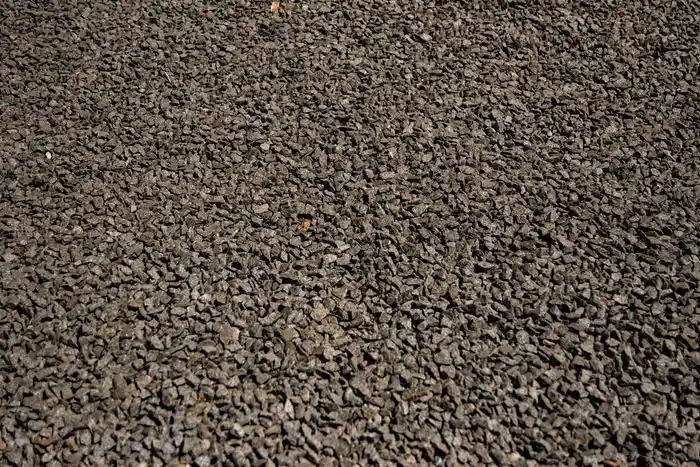
Resin bound surfacing is a system where natural aggregate stone - granite, quartz, flint, or blended stone - is mixed with a clear polyurethane resin before being laid. Every stone in the mix gets coated in resin. The coated aggregate is then hand-trowelled onto a prepared base, where it cures chemically into a hard, smooth, semi-porous surface.
The key word is “bound.” The stone isn’t scattered on top of anything - it’s held within the resin matrix, with each piece bonded to its neighbours and to the surface below. When it cures, you get a surface that’s hard to the touch, smooth enough to walk on comfortably in bare feet, and stable enough to park cars on without the surface moving or shedding.
Because the stone is coated rather than compacted solid, the finished surface has tiny voids between the aggregate that allow water to drain through freely. That permeability is what makes it a genuinely different product from tarmac or concrete, and it’s what qualifies it for planning permission exemption under current rules.
What Resin Bonded Surfacing Is
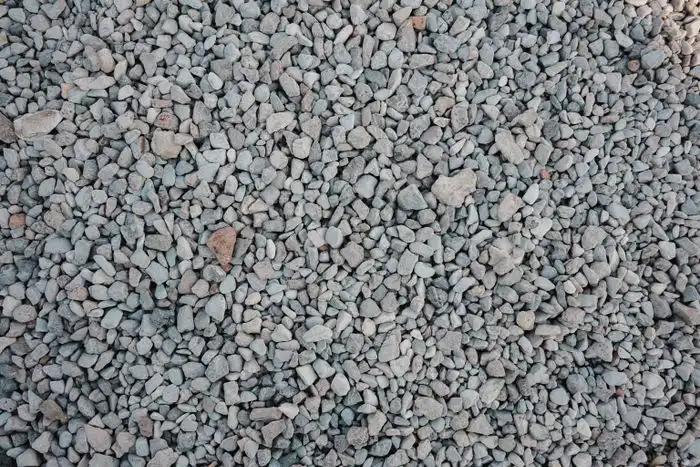
Resin bonded is a different process. A layer of resin is applied to an existing hard surface - usually tarmac or concrete - and then dry aggregate is scattered on top and pressed in while the resin is still wet. The stone is only bonded at its base where it contacts the resin; the top and sides of each stone are exposed.
The result looks similar to resin bound at first glance - decorative stone, neat finish. But it behaves very differently under use. Because the stone isn’t mixed through the resin, it’s only held in place at one point of contact. Under tyre pressure, especially on braking and turning, stones gradually work loose. On a path with light foot traffic this isn’t a problem. On a driveway used daily by cars, stone loss is a predictable maintenance issue, and within a few years patches of bare resin tend to appear.
Resin bonded also isn’t permeable. The solid resin layer stops water draining through, meaning all rainfall runs off the surface. Under current planning rules that makes a new front garden driveway over 5m² potentially require planning permission - unlike resin bound, which is permeable and exempt.
How They Look Over Time
When new, resin bound and resin bonded can look comparable. Both have a stone finish, both look cleaner than tarmac, and both photograph well.
The difference shows up after a few years. Resin bound, installed on a proper sub-base, still looks good at 15-20 years. The colour comes from the stone itself rather than any coating, so UV exposure doesn’t fade or bleach the surface. The texture stays consistent across the whole driveway.
Resin bonded ages less gracefully. Patches of stone loss create uneven texture. Areas around the entrance where cars turn show wear first. The base resin layer, once exposed, can look patchy against the still-stoned sections. Reseeding is possible but rarely achieves the original uniformity. You can usually tell the age of a resin bonded surface within a couple of years; a well-installed resin bound driveway from 2010 is hard to distinguish from one installed in 2020.
Drainage And Planning Permission
This is where the practical difference matters most for Swindon homeowners replacing a front garden driveway.
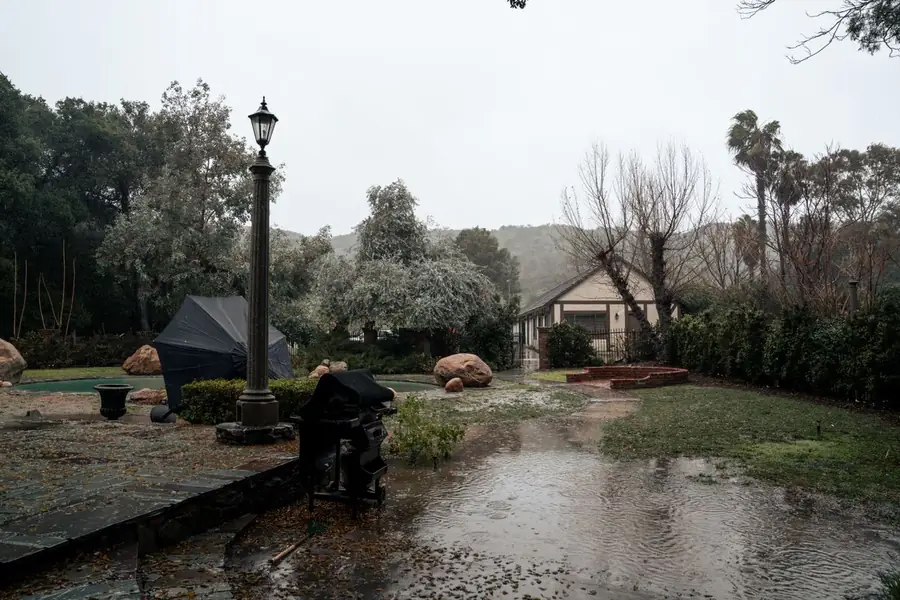
Since 2008, planning rules in England require permission for new impermeable front garden driveways over 5m². The rules exist to address urban flooding - hard surfaces that shed water increase runoff into drains and roads, which can overwhelm drainage systems in heavy rain.
Resin bound surfacing is classified as permeable under these rules, because water genuinely passes through the surface. No planning permission needed for front garden driveways, regardless of size.
Resin bonded is not permeable. The solid resin base prevents water draining through. A new resin bonded front driveway technically falls into the same category as block paving or tarmac - permission required if over 5m², unless drainage is managed separately via soakaways. In practice, many resin bonded installations proceed without checking this, which creates a potential issue for householders when they come to sell and solicitors query the work.
Which Performs Better On Swindon’s Ground
On Swindon’s clay soil, the permeability difference matters beyond just planning rules.
Clay is slow to drain. When water can’t get away quickly, it sits at the surface, or worse, collects in pockets under an impermeable surface layer. On a freeze-thaw cycle - which Swindon gets several times each winter - water trapped under or within a surface expands as it freezes, pushing the material above it and causing cracking or lifting.
Resin bound’s permeability allows water to move through the surface and into the permeable sub-base, which drains it away rather than letting it pool. On clay ground like most of Swindon’s residential areas, this keeps the surface and the clay beneath it drier and more stable through the seasons.
Resin bonded, being impermeable, directs that same water to the edges and any low points, where it either pools or runs off. On a well-graded drive with good gullies this is manageable. On a typical flat front garden it isn’t.
Cost Comparison
Resin bonded is cheaper upfront. A resin bonded driveway typically costs £30-£60 per m² for materials and installation. Resin bound runs £80-£150 per m² for a comparable residential installation.
The gap narrows quickly once you factor in ongoing costs. Resin bonded driveways typically need stone reseeding and resealing every 5-7 years as the surface degrades. The cost per m² for resealing and reseeding isn’t trivial, and it never fully restores the original finish. Resin bound needs none of this - occasional sweeping and washing is the maintenance requirement for 20+ years.
On a 40m² driveway, the upfront saving with resin bonded might be £2,000-£3,000. Over a 15-year period with two maintenance cycles, much of that saving is eaten back. And at year 10-15, a resin bonded driveway often needs full replacement where a resin bound installation is still in its prime.
For most homeowners planning to stay in their property for more than 5 years, resin bound works out cheaper over time. For a short-term cosmetic improvement where budget is tight, resin bonded is a legitimate option - just be realistic about how long it will hold its appearance.
Which One Is Right For Your Property?
For a front driveway in Swindon that handles daily car use and needs to last 20+ years, resin bound is the right choice. It’s permeable, it lasts, it needs minimal upkeep, and on Swindon’s clay ground it performs better through the seasons.
Resin bonded has its place - decorative garden paths, low-traffic rear courtyard areas, or situations where a temporary cosmetic improvement is the goal. As a main driveway it’s a false economy.
If you’ve received quotes and aren’t sure which product you’ve been quoted for, ask directly: is this resin bound or resin bonded? Some quotes use “resin driveway” to cover either. The price per m² is usually a giveaway - anything much below £70 per m² for a driveway installation is almost certainly resin bonded.
For a free site visit and honest quote on a resin bound driveway, get in touch - we’ll assess the ground conditions, check any drainage or planning requirements, and give you a clear picture of what the job involves.
Frequently Asked Questions
What is the difference between resin bound and resin bonded?
Resin bound surfacing mixes aggregate stone with resin before laying, coating every stone and creating a smooth, permeable, hard-wearing surface. Resin bonded surfacing applies resin to an existing base and then scatters loose stone on top - the stone sits in the resin rather than being mixed through it. Resin bound is the superior product for driveways: it's permeable, more durable, and stays looking good for 20-25 years. Resin bonded is cheaper but loses stone over time and isn't permeable.
Is resin bonded any good for a driveway?
Resin bonded can be a reasonable option for low-traffic areas like pathways or decorative surfaces, but it's not ideal for driveways. Because the aggregate isn't fully bound into the resin, it sheds loose stone under tyre pressure over time - particularly on turns and where braking happens. It also isn't permeable, so it needs drainage planning under current rules. For a driveway that needs to last 20+ years, resin bound is the right choice.
Is resin bound surfacing permeable?
Yes - resin bound surfacing is fully permeable. Water drains through the voids between the bound aggregate and into the sub-base below. This means it qualifies as a permeable surface under current planning rules, so front garden driveways up to any size don't require planning permission. Resin bonded is not permeable - the solid resin layer prevents water draining through.
Which lasts longer - resin bound or resin bonded?
Resin bound lasts significantly longer. A well-installed resin bound driveway should give 20-25 years with minimal maintenance. Resin bonded surfaces typically last 5-10 years before stone loss becomes a problem, and maintenance costs (re-seeding loose stone, re-sealing) add up over time. For any surface expected to handle regular vehicle traffic, resin bound is the more cost-effective choice over a 10-year horizon.