
24 June 2026
How To Look After Your Resin Driveway: A Maintenance Guide For Swindon Homeowners
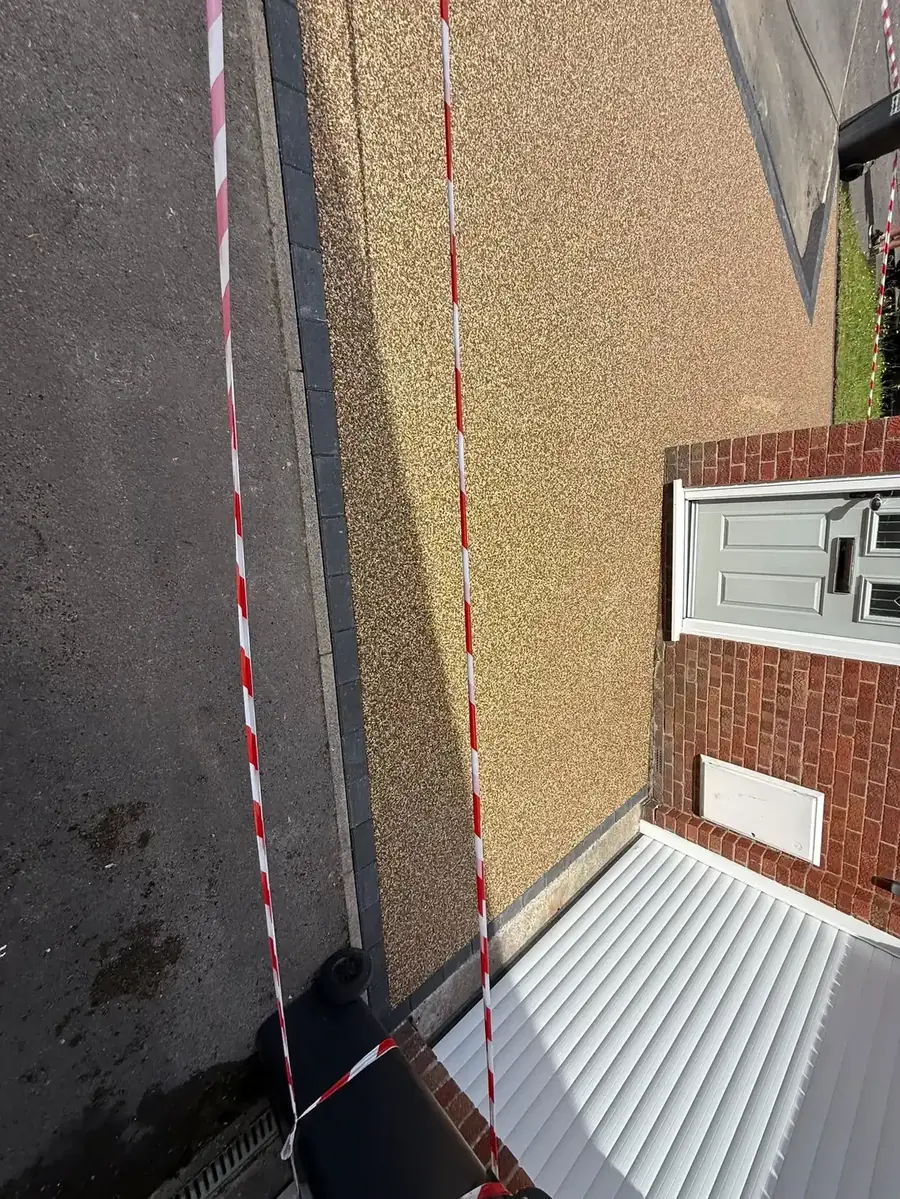
One of the main reasons homeowners in Swindon choose resin bound surfacing is that it needs very little looking after compared to block paving, tarmac or gravel. No weeding, no re-sanding, no sealing, no loose stones migrating onto the road. That said, “low maintenance” doesn’t mean “no maintenance” - and a few simple habits make the difference between a driveway that looks as good at year fifteen as it did at year one, and one that starts looking tired earlier than it should. Based on the driveways we install and revisit across Swindon and the surrounding area, here’s what actually works.
What Your Resin Driveway Needs Day To Day
The honest answer is: not much. A correctly installed resin bound driveway on a solid, well-compacted sub-base is designed to look after itself through normal use. Rain rinses the surface naturally. The aggregate texture sheds most debris rather than trapping it. You won’t be out there weeding the joints or topping up loose stone.
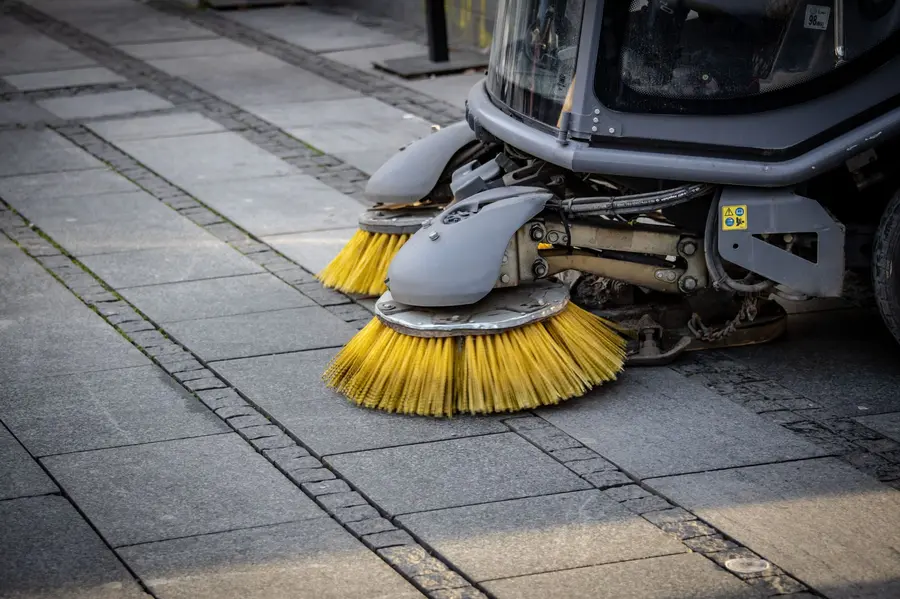
That said, debris does build up over time - particularly under trees, in corners, and on driveways that sit in the shade for much of the day. Swindon’s autumns can leave a heavy covering of wet leaves on driveways facing north or west, and damp debris sitting in one spot for weeks can start to encourage moss and algae. The resin bound driveways we install are UV-stable and resistant to most surface growth, but no surface is completely immune if it stays damp and shaded long enough.
A brush with a stiff-bristled broom two or three times a year - more in autumn if you’re under trees - is enough to prevent most of this. Follow it with a hose down and you’re done.
How To Clean A Resin Driveway Properly
Regular Cleaning
For routine cleaning, you don’t need any specialist products. A stiff broom to sweep off loose debris, followed by a rinse with a garden hose, handles the vast majority of what a driveway accumulates through normal use. Work the broom against the direction of car parking to dislodge any grit or sand that’s been pressed into the surface.
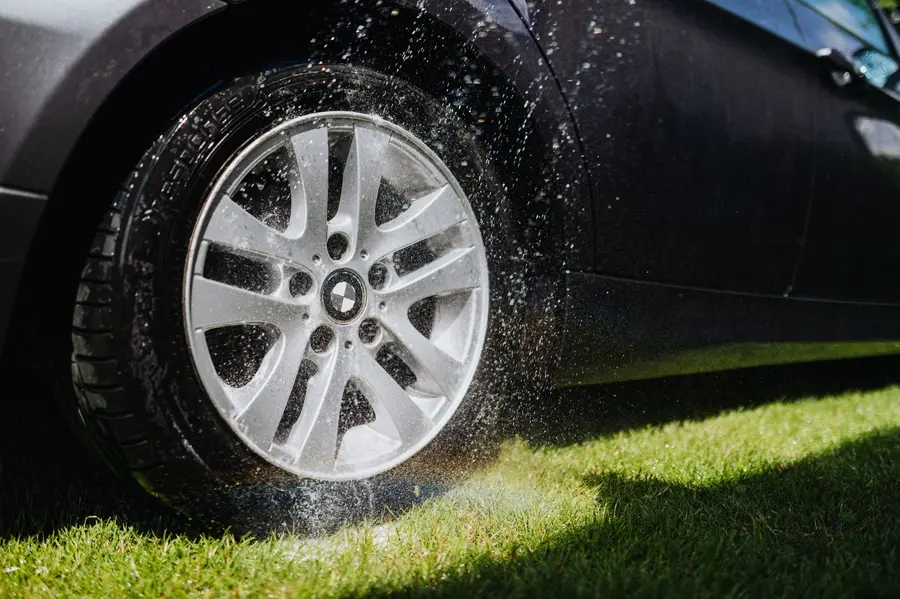
If the driveway looks dull or dusty rather than dirty, it usually just needs water. Resin bound aggregate has a natural sheen that comes back once the surface is wet and clean.
Pressure Washing
A pressure washer is fine on resin bound surfacing, but settings matter. Use a low to medium pressure setting - around 1000-1500 PSI is plenty - and keep the nozzle moving rather than holding it in one spot. A 25-40 degree fan nozzle is the right choice. Avoid rotating turbo nozzles, which concentrate pressure into a small area and can lift or erode the resin binder over years of repeated use.
Pay attention to the edges. Where the resin meets a drain, a block paving border, or a wall, the joint is the most vulnerable spot. Don’t aim the jet directly at these areas at high pressure.
Removing Stains
Different stains need different approaches, and the sooner you deal with them the easier they come out.
Oil, fuel and brake fluid - blot up as much as possible immediately using absorbent material (don’t wipe, which spreads it). Kitty litter, sawdust or dry sand work well. Once the bulk is absorbed, a small amount of washing-up liquid and warm water, scrubbed with a stiff brush, usually gets the rest. Old dried-in oil is harder but rarely causes lasting damage to the surface.
Tyre marks - usually fade naturally with foot traffic and rain over a few weeks. If you want to speed it up, a mild alkaline cleaner and a scrub brush will shift them.
Algae and moss - a diluted proprietary patio cleaner (not bleach) applied, left for 20-30 minutes, then brushed off and rinsed works well. On shaded Swindon driveways that get little direct sun from October through March, a once-a-year treatment in spring prevents moss from getting established in the first place.
Chewing gum and tree sap - freeze with an aerosol ice spray or an ice pack, then lift off with a plastic scraper. Don’t use a metal scraper, which can scratch the aggregate.
What Swindon’s Climate Means For Your Driveway
Swindon sits in one of the drier parts of the South West - average annual rainfall around 700mm - but the winter wet season from November through January can be persistent, with weeks of damp overcast weather rather than heavy downpours. That extended damp is actually harder on driveways than occasional heavy rain, because it keeps the surface wet long enough for algae and moss to establish, particularly on north-facing or tree-shaded drives.
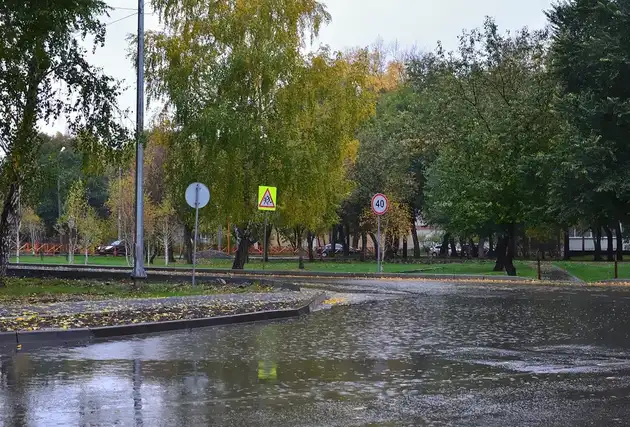
The frost cycles Swindon gets in January and February are worth thinking about too. A well-installed permeable resin surface handles freeze-thaw well because water drains through rather than sitting on top and freezing. Where problems arise is on driveways where the sub-base has developed poor drainage - water pools under the surface, freezes, expands, and starts to stress the resin layer above. If you notice small cracks appearing after a cold winter, that’s often what’s happening underneath.
Around 4 in 10 driveway repair enquiries we receive come in during spring - homeowners noticing damage that appeared or worsened over winter. Most are preventable with the drainage checks covered below.
Checking Your Drainage
One of the main benefits of resin bound surfacing is that it’s permeable - water drains through the surface and into the sub-base below, rather than running off across your forecourt. That permeability can reduce over time if the surface pores become blocked with fine dust, debris or algae.

The easiest check is to pour a bucket of water onto a flat area of the driveway after cleaning and watch what happens. On a well-maintained permeable surface it should disappear through within a few seconds. If it sits and takes longer to drain, the surface needs a clean - the pores are partially blocked. A pressure wash usually restores full permeability.
If water is draining slowly even after a thorough clean, it’s worth getting the driveway looked at. Gradual permeability loss across a large area can sometimes point to sub-base settling, which is better addressed sooner rather than later. The Susdrain guidance on sustainable drainage covers what correctly maintained permeability looks like in practice.
Protecting Your Driveway From Common Damage
Vehicle Loads
Standard residential resin bound surfacing is designed to handle regular passenger car and van traffic without any problems. What it isn’t designed for is static heavy loads - skips, scaffolding lorries, or large delivery vehicles sitting in one spot for extended periods. If you’re having building work done and need to accommodate heavy vehicles, it’s worth flagging this to your installer so the sub-base specification can be adjusted at the time of installation.

Sharp Edges And Point Loads
Motorbike kickstands, sharp-edged car ramps and similar point loads can occasionally leave impressions in resin bound surfacing, particularly in very hot weather when the binder softens slightly. A small board under the kickstand or ramp distributes the load and prevents marking.
Weed Killers And Chemical Spills
Most domestic weed killers are fine to use near the edges of a resin driveway as long as they don’t pool on the surface. Strong solvents - paint stripper, acetone, concentrated bleach - are a different matter and should be kept away from resin surfacing entirely. If you have a spill, dilute it with plenty of water and clean it off immediately.
When To Call Someone Out
Most resin driveways look after themselves well for the first ten years with minimal intervention beyond regular cleaning. A few things are worth getting checked sooner rather than later:
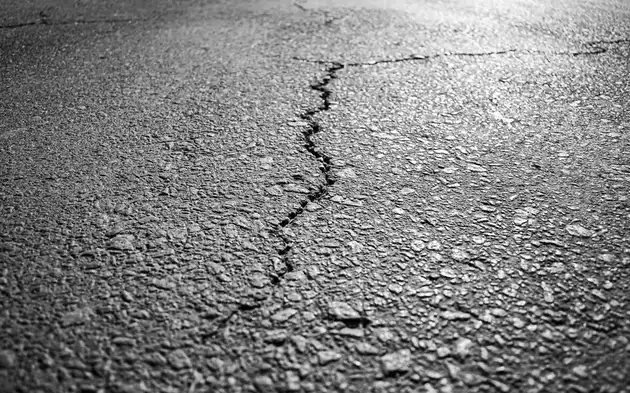
- A crack appearing in the surface, especially if it’s growing or following a line
- Areas where the surface feels soft or spongy underfoot
- Sections where the resin appears to be separating from the sub-base or lifting at the edges
- Drainage that’s slow even after a thorough clean
All of these, caught early, are straightforward to address. Left for a season or two, they tend to become larger jobs. If you’re not sure whether to call out the original installer or a new contractor, the TrustMark scheme and the Federation of Master Builders find-a-builder tool are both good starting points for finding vetted tradespeople.
Got a question about your existing resin driveway, or thinking about getting one installed? Get in touch with RPS Resin Driveways - we’re based in Swindon and cover the whole of the surrounding area. All quotes and site visits are free.
Frequently Asked Questions
How often should I clean my resin driveway?
A brush and rinse two or three times a year is enough to keep most resin driveways looking good. If your driveway is under trees or in a shaded spot that stays damp, you might want to rinse more often in autumn when leaf debris builds up. There's no set schedule - just clean it when it needs it.
Can I use a pressure washer on a resin driveway?
Yes, carefully. A pressure washer on a low to medium setting (no more than around 1500 PSI) with a wide fan nozzle is fine for removing built-up grime, moss or algae. Avoid pointing a jet washer directly at the edges or any area where the resin meets a drain or border, and don't use a rotating turbo nozzle - the concentrated pressure can lift the surface over time.
Will oil or petrol stains damage my resin driveway?
Fresh oil or fuel spills should be blotted up quickly with an absorbent material - kitty litter or sawdust work well - rather than wiped, which spreads the stain. Once the bulk is removed, a small amount of mild detergent and warm water will usually shift the rest. Old, dried-in oil stains are harder to remove completely but rarely affect the structural integrity of the surface.
Can weeds grow through a resin driveway?
No - a correctly installed resin bound surface has no gaps or joints for weed seeds to establish in. If you see anything growing on your resin driveway, it's almost always on the surface rather than through it - moss or algae building up in a shaded damp spot, or a seed germinating in a layer of debris that's collected in a corner. A brush and rinse will clear it.
Is it safe to de-ice a resin driveway with salt?
It's best avoided. Rock salt and grit can scratch the aggregate surface and, if left sitting, can work into the resin binder over time. For icy conditions, a plastic snow shovel to clear loose snow, followed by sand or fine grit rather than salt, is the safer option. The natural aggregate texture of resin bound surfacing gives decent slip resistance in most winter conditions anyway.
What should I do if my resin driveway develops a crack?
A crack in a resin bound surface almost always points to movement in the sub-base underneath rather than a failure of the resin itself. If you notice a crack appearing, particularly if it's following a straight line or appearing near a drain or edge, get it looked at sooner rather than later - left alone, water gets in, freezes, and widens the gap. Most cracks can be repaired if caught early.