
3 July 2026
Resin Driveway Repair In Swindon: What Can Be Fixed And What Can't
Resin driveways are low-maintenance - but “low-maintenance” doesn’t mean no maintenance, and even a well-installed surface will occasionally need attention. Whether it’s a crack that appeared over winter, a section losing aggregate near the edge, or a patch of poor drainage that’s developed over time, the question most homeowners ask first is: can this be fixed, or does the whole thing need coming up?
The honest answer is that it depends - mostly on what’s causing the problem. Here’s how to read the signs, what’s actually fixable, and what repair costs in Swindon.
What Can Be Repaired
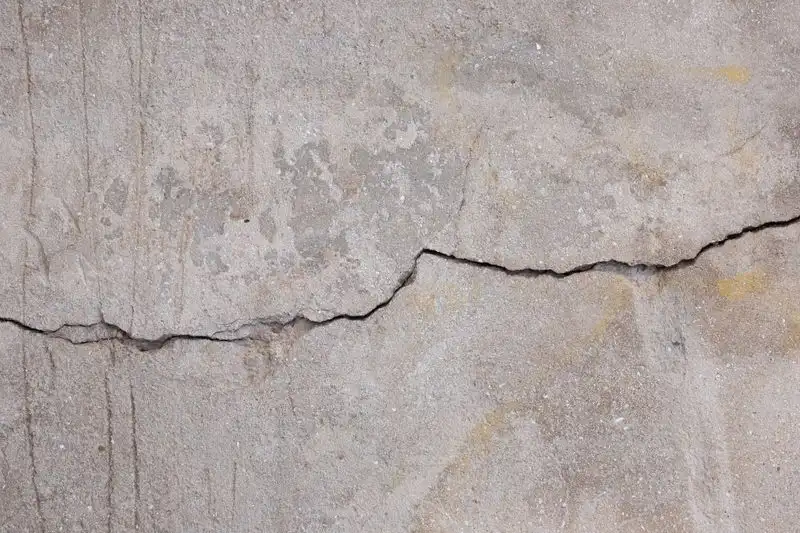
Not all resin driveway problems are structural. Surface-level issues - the kind caused by isolated damage rather than movement in the base below - are usually patchable.
Small cracks that haven’t spread are the most straightforward repair. A section is cut back cleanly to stable edges, the old material removed to the sub-base, and a new resin and aggregate mix is laid in the void. Done well, the patch bonds properly to the surrounding surface and gives a solid result.
Loose or missing aggregate is another common repair - usually appearing at edges, around drain covers, or in spots where the surface layer was thinner than it should have been. The loose material comes away, fresh resin is applied, and matching aggregate is pressed in. If the aggregate blend matches closely enough to the original, the repair can be quite discreet.
Surface depressions - low spots where water pools after rain - can be remedied if the surrounding surface is sound. A thin overlay or re-profiling can correct the falls without lifting the whole drive.
If the sub-base is stable, a surface repair will hold.
What Can’t Be Repaired With Patching Alone
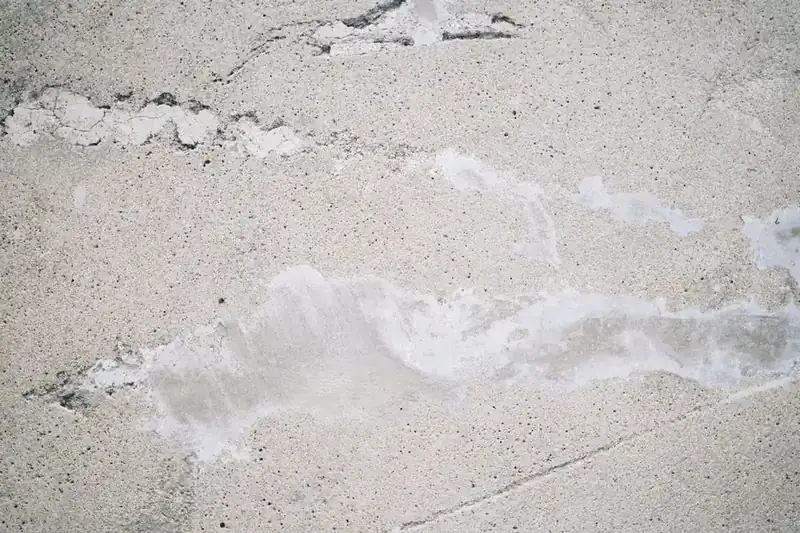
The pattern that tells you patching won’t work: a crack that reopens after it’s been filled, or new cracks appearing near a repair within months of it being done.
When that happens, the sub-base underneath is moving. Patching the surface is like replastering a wall with subsidence - the crack will be back. The fix is in the ground, not on top of it.
Widespread cracking across a large section of the drive, or cracking that follows a regular pattern (typically grid lines or diagonal stress fractures) usually indicates sub-base failure rather than surface deterioration. So does lifting along the edges where the restraint has moved, or sections that feel hollow underfoot.
On Swindon’s clay ground this is a recurring issue on driveways that were originally laid on an undersized or improperly compacted sub-base. Clay shrinks and swells with the wet and dry cycle. A 100mm compacted sub-base handles that movement without it reaching the surface. A 50mm sub-base, which some cheaper installers use to cut costs, doesn’t - and within a few years the surface above it starts to crack and lift with the clay below.
In these cases, the only lasting fix is lifting the affected section, re-excavating to the correct depth, laying a proper sub-base, and relaying the surface. It’s more work and costs more than a patch repair, but a patch repair on a failing base will fail again.
How Patch Repair Works
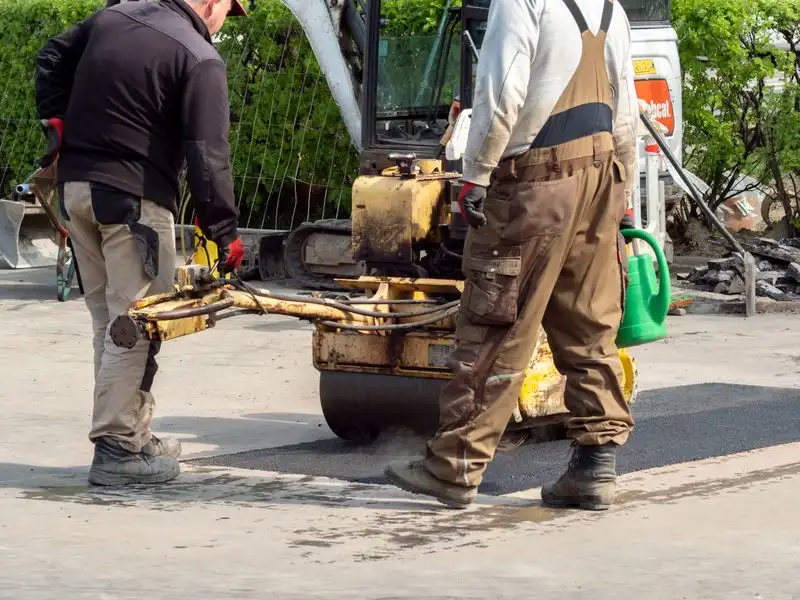
A proper resin driveway patch follows the same principles as the original installation. Cutting corners produces a repair that fails faster than the original problem.
The affected area is cut back to stable material - not just to the edges of the visible damage, but to where the surrounding surface is genuinely sound. This usually means cutting a slightly larger area than looks necessary. A diamond saw or angle grinder gives clean straight edges, which the new material can bond to properly rather than to a ragged tear.
The sub-base in the repair area is checked and, if needed, re-compacted or topped up before anything goes back on top. New resin and aggregate is mixed to match the original specification as closely as possible, trowelled in, and levelled to match the surrounding height. It cures in a few hours under normal conditions. Foot traffic should wait 24 hours; cars longer.
One limitation worth knowing about: colour matching. Resin and aggregate from a fresh batch will be a slightly different shade from a surface that’s been weathering for several years. The repair is usually noticeable initially - not dramatically, but visibly. Over 12-18 months it typically weathers to a closer match as UV and rainfall tone the two sections towards each other. If the repair is on a less visible part of the drive this matters less. If it’s in the centre of a prominent front driveway, be realistic about the cosmetic outcome.
How Visible Will The Repair Be?
This depends on a few things: how large the repair area is, how old and weathered the surrounding surface is, and how closely the aggregate batch matches the original.
A small repair - say a crack of 10-15cm - is less visible than a 1m² section replacement, simply because the ratio of new to old material is different. An older, more weathered surface is easier to match than a relatively new one where the original colours are still vivid.
Some installers keep records of the aggregate blend used on a job, which makes matching easier if a repair is needed within the first few years. If you’re having a driveway installed and want to protect against this, ask whether the installer will note the aggregate specification and whether leftover material can be stored. A small bag of the original mix makes future repairs considerably easier to colour-match.
For drives where appearance is the priority, discuss the likely cosmetic outcome before committing to a repair. An experienced installer will give you a straight answer.
What Repair Costs In Swindon
Small patch repairs - a single crack or localised loose section up to around 0.5m² - typically cost £150-£400 in the Swindon area. The cost reflects the time to cut, prepare, and relay a small area properly; the labour is similar regardless of how small the repair is.
Larger repairs covering multiple sections run £500-£1,500 depending on extent. If sub-base work is needed alongside the surface repair - re-excavating and re-compacting before relaying - the cost increases, and at that point you’re often comparing repair cost against a partial or full replacement quote.
Worth thinking through before commissioning a repair: if the surface is 15-20 years old and starting to show general wear, spending 50-60% of replacement cost on a patch might not be the right call. If the surface is 5-10 years old and the problem is localised and genuinely surface-level, a repair is almost always worth doing. We assess every job on site before quoting, because the extent of the underlying problem isn’t always clear from the surface.
How To Prevent The Same Problem Recurring
Most early resin driveway failures come back to the same cause: insufficient sub-base. If a repair uncovers a thin or poorly compacted base, addressing it during the repair is the only way to avoid the problem returning in the same spot.
Beyond the sub-base, a few things are worth doing on any resin driveway. Deal with oil spills quickly - engine oil and some degreasers soften the resin bond if left to soak in. Keep leaves and organic debris swept off, particularly in shaded areas where moss can take hold. If you have trees near the driveway, keep an eye on the edge nearest the roots as the trees mature - root growth under the base will eventually lift any surface.
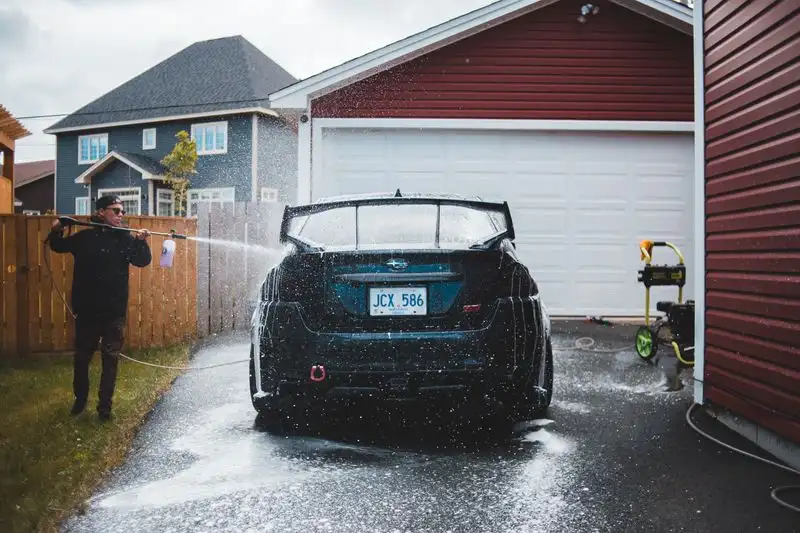
Pressure washing is fine for cleaning. Keep the lance moving and avoid holding a jet on one spot - the concentrated pressure can dislodge aggregate from the surface, particularly at edges where the surface layer is thinnest.
Getting A Repair Assessed
If you’ve got cracking, loose aggregate, or drainage issues on a resin driveway, the first step is working out whether you’re dealing with a surface problem or a base problem. That distinction determines whether a patch repair makes sense or whether something more significant is needed.
We offer free site assessments on resin driveway repairs across Swindon and the surrounding area - we’ll look at the existing surface, check what’s happening at the edges and in any affected sections, and give you an honest opinion on what the repair involves and whether it’s worth doing versus replacing. No pressure, no upfront cost for the assessment.
Frequently Asked Questions
Can a resin driveway be repaired?
Small cracks, isolated loose aggregate, and localised surface damage can usually be patched. A section is cut out cleanly and relaid with matching resin and aggregate. The repair is functional but rarely invisible - new resin cures to a slightly different shade than weathered resin, so a patch typically shows until the two sections weather to a similar tone, which can take 12-18 months. Widespread cracking or lifting caused by sub-base failure can't be fixed by surface patching alone - the underlying cause has to be addressed first.
How long does a resin driveway repair last?
A well-executed patch repair on a stable surface should last as long as the surrounding original driveway. If the crack was caused by surface expansion or an isolated impact rather than sub-base movement, patching it promptly gives a durable result. If the same crack keeps reopening, or new cracks appear nearby, the sub-base is moving and patching is only delaying a more significant repair.
Why is my resin driveway cracking?
The most common cause is sub-base movement - usually because the sub-base was too thin, the wrong material, or not properly compacted. On Swindon's clay ground this is particularly common: clay shrinks and swells with the seasons, and if the sub-base isn't deep enough to absorb that movement, it transfers to the surface. Tree roots near the edge, poor edge restraints, and heavy vehicles regularly parked in the same spot are other causes.
What does resin driveway repair cost in Swindon?
A small patch repair covering a crack or localised loose area typically costs £150-£400 depending on the size of the affected area. More significant repairs covering multiple sections can run £500-£1,500. If the sub-base needs addressing - either partial excavation and re-compaction, or full removal and relay - the cost rises substantially and is closer to a partial or full replacement quote. We assess every job on site before quoting, since the extent of the underlying problem isn't always visible from the surface.