
16 July 2026
Resin Driveways In Winter: Frost, Ice And Cold-Weather Performance In Swindon
Winter is when a driveway earns its keep, or shows up its weaknesses. Swindon typically sees around 40-50 frost days a year and the odd snowfall, and that repeated freezing and thawing punishes a driveway - it’s the single biggest reason older tarmac and concrete drives around the town break up at the edges. So it’s a fair question before you spend a few thousand pounds: how does resin actually cope when it turns cold? The short version is that a well-laid resin driveway handles Swindon winters very well, better than most alternatives - but “well-laid” is doing a lot of work in that sentence. Here’s what really happens to resin in the cold, and what makes the difference between a drive that shrugs off winter and one that doesn’t.

What Freeze-Thaw Actually Does To A Driveway
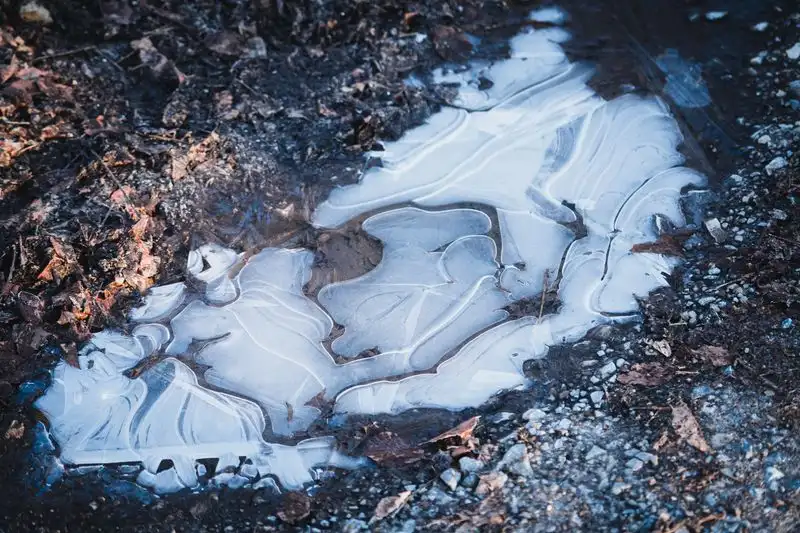
The main enemy of any driveway in a British winter isn’t the cold itself - it’s the freeze-thaw cycle. Water gets into or under a surface, freezes, and expands by around 9% as it turns to ice. That expansion pushes with real force. When it thaws, the water seeps a little deeper, and the next freeze pushes harder. Repeat that dozens of times over a winter and small weaknesses become cracks, and cracks become broken edges and potholes.
This is why impermeable surfaces struggle. Solid concrete and standard tarmac shed water across the top, so it pools in low spots and sits in any hairline crack. When that trapped water freezes, it levers the surface apart from the inside. If you’ve ever wondered why a perfectly good-looking tarmac drive suddenly starts crumbling one spring, this is usually the answer - a winter of freeze-thaw finally won.
A resin bound driveway approaches the problem differently, and it comes down to one word: permeability.
Why Permeable Resin Handles Cold Better
Resin bound surfacing is porous - water drains straight through the surface and down through the sub-base into the ground below, rather than sitting on top. That single property changes how the surface behaves in winter.
Because water doesn’t pool on a resin drive, there’s far less standing water to freeze into ice, and far less trapped water to expand and crack the surface. Rain, sleet, and meltwater keep moving down and away instead of collecting. Compared with an impermeable surface where every dip becomes a frozen puddle, a permeable one simply gives the cold less to work with. That’s the mechanism behind resin’s good winter reputation - and the same permeability is why these surfaces are treated favourably under the government’s guidance on permeable surfacing of front gardens.
The resin binder itself matters too. Quality polyurethane resin stays slightly flexible across normal UK temperatures, so it accommodates the tiny expansions and contractions of daily temperature swings without becoming brittle. It doesn’t go glassy and shatter in a cold snap the way a rigid, poorly formulated surface can. On Swindon’s climate - rarely brutally cold, but wet and frosty in cycles through winter - that combination of drainage and flexibility is well suited to the conditions.
The Sub-Base Is Still What Decides It
Here’s the honest part that some installers skate over: resin’s winter performance is only as good as what’s underneath it. The permeable surface can only drain freely if the sub-base beneath is also built to let water through and away. Get that wrong and all the theoretical advantages disappear.
A proper sub-base for winter resilience is typically 100-150mm of compacted open-graded stone - MOT Type 3 rather than the finer, less permeable Type 1 - which both carries the load and lets water pass through to the ground. If an installer cuts the depth to save money, or uses the wrong material, or doesn’t compact it properly, water can no longer drain away cleanly. It backs up, sits in the sub-base, freezes, and you’re straight back to freeze-thaw damage - just hidden a layer down.
Swindon’s clay ground raises the stakes here. Clay drains slowly and holds water, so the sub-base has to do more of the work of moving water away from the surface. A skimped sub-base on clay is the worst combination for winter, and it’s a big part of why choosing the installer carefully matters as much as choosing the product. Our guide to choosing a resin driveway installer covers the questions that flush out corner-cutting before you commit.
Grit, Salt And Snow: Looking After Resin In Winter
One of the everyday worries people have is whether they can treat a resin driveway like any other in winter - grit it, salt it, clear the snow. The answer is yes, with a couple of sensible notes.
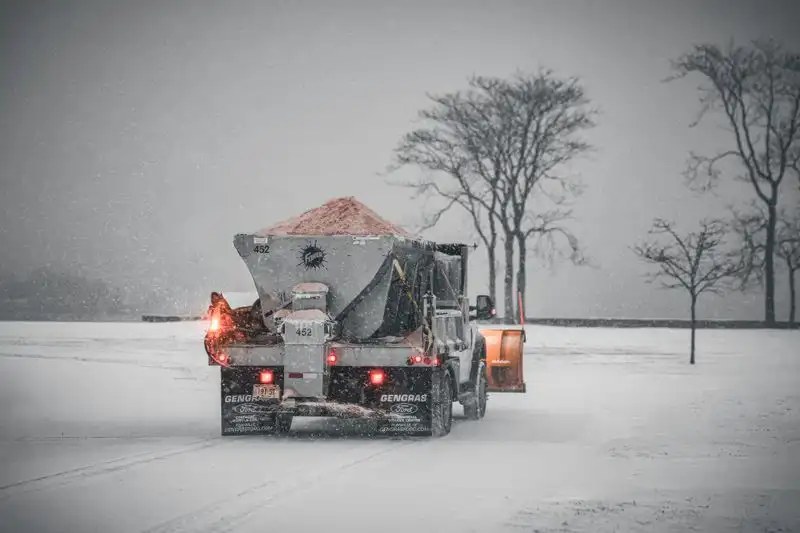
Standard rock salt and de-icing grit are fine on a quality resin surface and won’t harm it, so you can keep the drive safe in freezing weather exactly as you would a path. For snow, a plastic snow shovel is better than a metal-edged one, which can scrape or nick the surface if you catch it at an angle - but there’s no need to treat the surface as delicate. It’s tough. The one habit worth having is clearing snow before it gets compacted and freezes to ice, which is easier on any surface and lets the permeable resin drain the meltwater away rather than letting it refreeze.
Does Resin Get Icy?
No surface is magic - if it’s cold enough for long enough, any driveway can develop ice, and resin is no exception. What’s fair to say is that resin tends to ice over less readily than smooth impermeable surfaces, because it doesn’t hold the standing water that freezes into a solid glaze. Water drains through instead of forming a sheet on top.
The surface texture helps as well. Resin bound aggregate has a naturally rough, grippy finish rather than a polished one, so even with a light frost it generally offers more grip underfoot than wet, smooth block paving or a slick concrete slab. That’s a genuine safety benefit on a frosty Swindon morning when you’re carrying shopping or getting children into a car.
None of this replaces gritting when it’s genuinely icy. But between drainage and texture, resin gives you a head start over the alternatives when the temperature drops.
Can You Install A Resin Driveway In Winter?
Plenty of people assume driveway work is a summer-only job. It isn’t, though winter does add some constraints worth understanding.
Resin bound surfacing shouldn’t be laid in the rain, or when the temperature is below roughly 5°C, because both moisture and cold interfere with how the resin cures. In a Swindon winter that rules out some days but by no means all - dry, milder spells happen regularly through the season, and resin lays and cures perfectly well in them. What it needs is flexibility: a good installer watches the forecast and books the work around suitable weather windows rather than forcing it in marginal conditions and risking a poor cure.
So if you’re thinking about a new driveway and it’s autumn or winter, don’t rule it out. You may wait a little longer for the right dry window, but the finished result is identical to a summer install. If anything, getting it booked in over winter can mean a sound, drained surface ready to go before the spring rush.

The Winter Verdict For Swindon Homes
For a town that gets more frost and freeze-thaw than deep snow, resin is a strong winter performer. The permeable surface keeps water moving away instead of pooling and freezing, the flexible binder copes with temperature swings, and the textured finish gives useful grip when it’s frosty. It handles grit, salt, and snow clearing without complaint. On the freeze-thaw damage that wrecks so many tarmac and concrete drives around Swindon, resin has a real structural advantage.
The one condition, as ever, is the installation. Every winter benefit depends on a properly built, free-draining sub-base underneath. Get that right and a resin driveway will handle two decades of Swindon winters looking much as it did the day it was laid.
Frequently Asked Questions
Do resin driveways crack in winter?
A properly installed resin driveway on a sound, compacted sub-base does not crack from cold weather alone. The resin binder stays flexible enough to cope with normal UK temperature swings. Cracking in winter almost always traces back to the groundwork rather than the resin - if the sub-base is too thin or poorly compacted, water gets trapped, freezes, expands, and lifts the surface. On Swindon's clay soil this freeze-thaw effect is more pronounced, which is exactly why sub-base depth and permeable drainage matter so much.
Are resin driveways slippery in ice and frost?
Resin bound surfacing has a naturally textured, grippy finish that gives better grip than smooth concrete or wet block paving, but no surface is immune to a sheet of ice. In freezing conditions you should still grit a resin driveway as you would any other. The advantage is that resin is permeable, so surface water drains away instead of sitting and freezing into a solid glaze, which means it tends to ice over less readily than an impermeable surface where puddles form.
Can you grit and use salt on a resin driveway?
Yes. Standard rock salt and de-icing grit are safe to use on resin bound driveways and will not damage a quality surface. Spread it as you would on any path. Shovelling snow is fine too - use a plastic snow shovel rather than a metal-edged one to avoid scraping or gouging the surface, and there is no need to be aggressive. The permeable surface also helps meltwater drain away rather than refreezing.
Is winter a bad time to install a resin driveway?
Resin bound surfacing should not be laid in rain or when the temperature is below about 5°C, as cold and moisture both affect how the resin cures. That rules out some winter days in Swindon, but not all of them - dry, milder winter spells are perfectly workable. A good installer monitors the forecast and schedules around suitable weather windows rather than laying in marginal conditions, so winter installations happen, they just need more flexibility on dates.