
4 July 2026
Resin Vs Tarmac: Which Is Better For Swindon Driveways?
Tarmac used to be the default for UK driveways. Cheap, quick, and done - most of the residential driveways laid in the 1980s and 90s were tarmac, and a lot of them are still there, albeit cracked, oil-stained, and starting to break up at the edges. Resin bound surfacing has taken a significant share of the new driveway market over the last 10-15 years, and for good reason. But tarmac isn’t without its advantages, and for some projects it’s still the more practical option. Here’s how the two actually compare for a Swindon driveway, based on what we see on site every week.
How Each Surface Is Made
Understanding the difference in materials helps explain why the two surfaces behave so differently once they’re down.
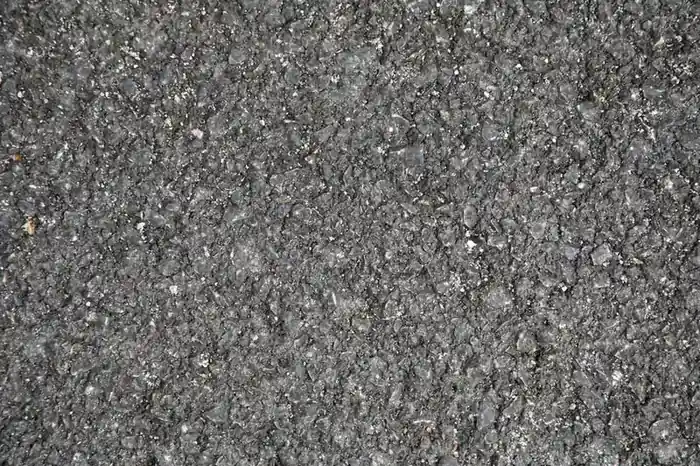
Tarmac - or more precisely, hot rolled asphalt - is a mix of crushed stone aggregate bound together with bitumen, a petroleum-derived binder. It’s laid hot and compacted with a roller while still pliable. The result is a solid, impermeable surface that sets hard but retains some flexibility. The bitumen is what gives tarmac its characteristic black colour and its characteristic weakness to oil spills and prolonged heat.
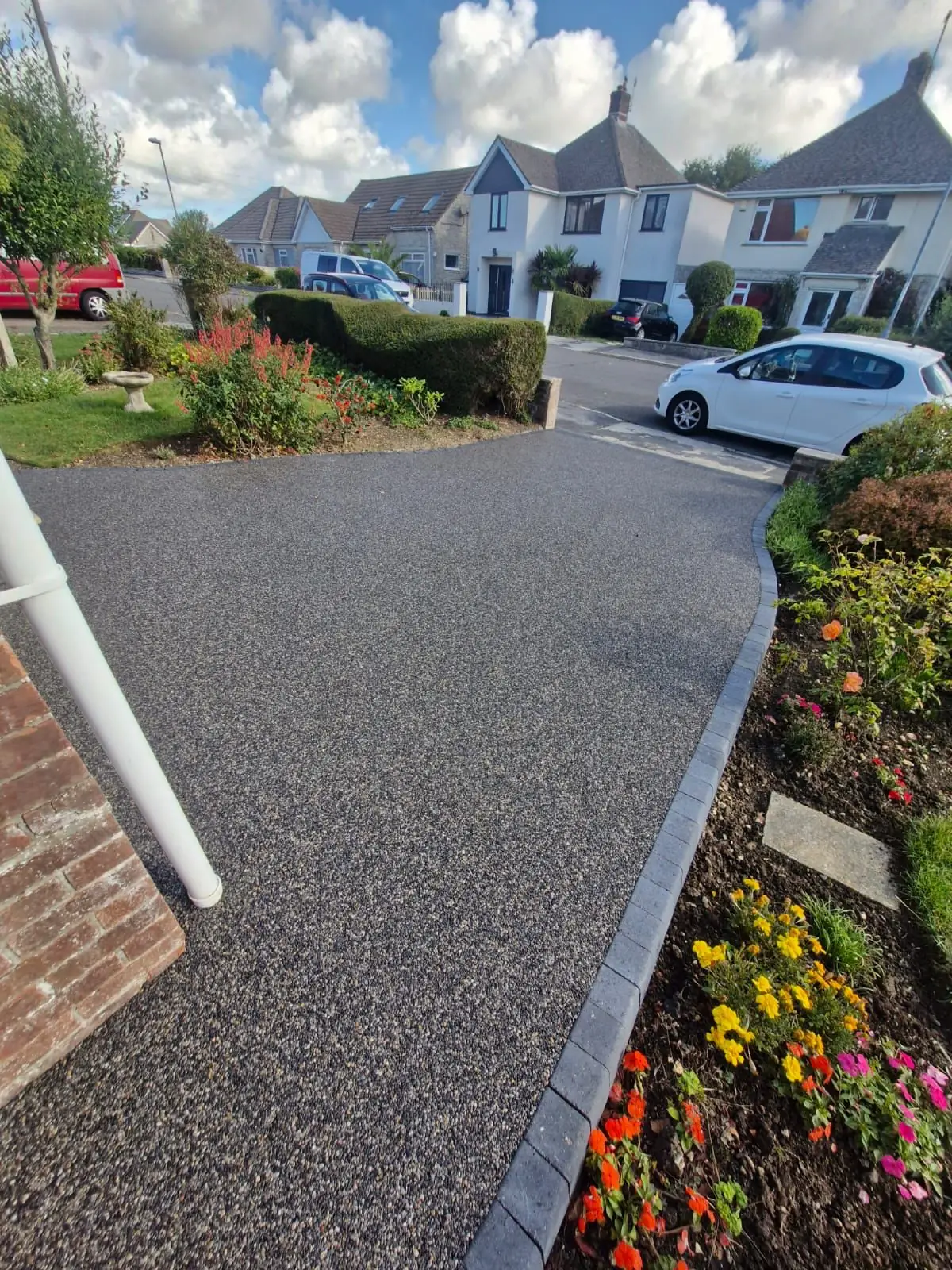
Resin bound surfacing is a different category of product entirely. Natural aggregate stone - granite, quartz, flint, or mixed stone blends - is coated in a clear polyurethane resin and hand-trowelled onto a prepared base. Because the stone is coated rather than compacted together, the finished surface has voids between the stone that water drains through freely. It cures chemically rather than cooling from heat, and the resin binder is UV-stable - it doesn’t break down in sunlight or change colour over time.
The two surfaces look different, behave differently in rain, and need different levels of upkeep. They’re not really competing products so much as different solutions to the same basic problem.
Appearance And Colour Options
The most obvious difference for most homeowners. Tarmac is black. You can get coloured tarmac - the red or buff you sometimes see on shared surfaces or commercial car parks - but for standard residential driveways, black is essentially the only option. Some people like that; a fresh black tarmac driveway looks clean and functional. Others find it too utilitarian, particularly on older or more characterful properties.
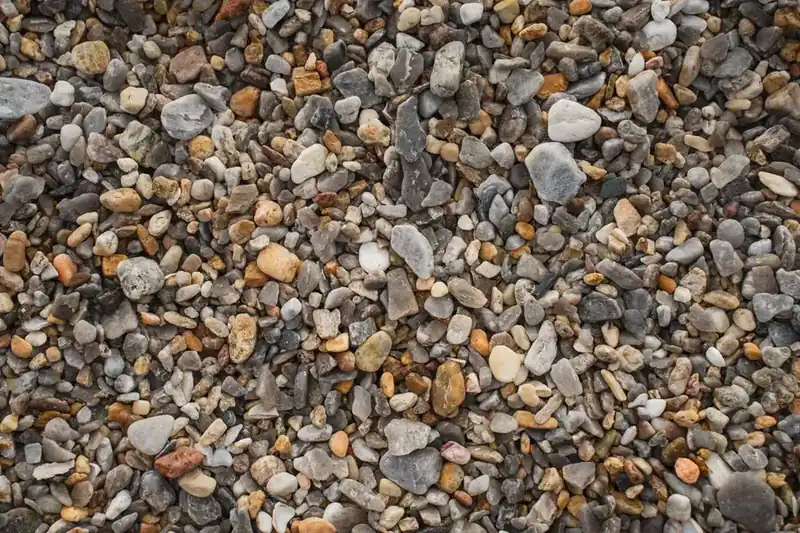
Resin comes in whatever colour the aggregate stone gives you. Buff, honey, charcoal, silver grey, terracotta, brown, rose quartz, and blends of all of these - the colour palette is wide, and you can match or complement the brickwork, window frames, or garden landscaping. The colour is the stone itself rather than a dye or coating, so it doesn’t fade in UV light and doesn’t need repainting.
If the look of the driveway matters to you - and for most people replacing an older surface, it does - resin gives you options that tarmac simply doesn’t.
Drainage And Permeability On Swindon’s Ground
This is where resin has a real practical advantage, particularly in Swindon.
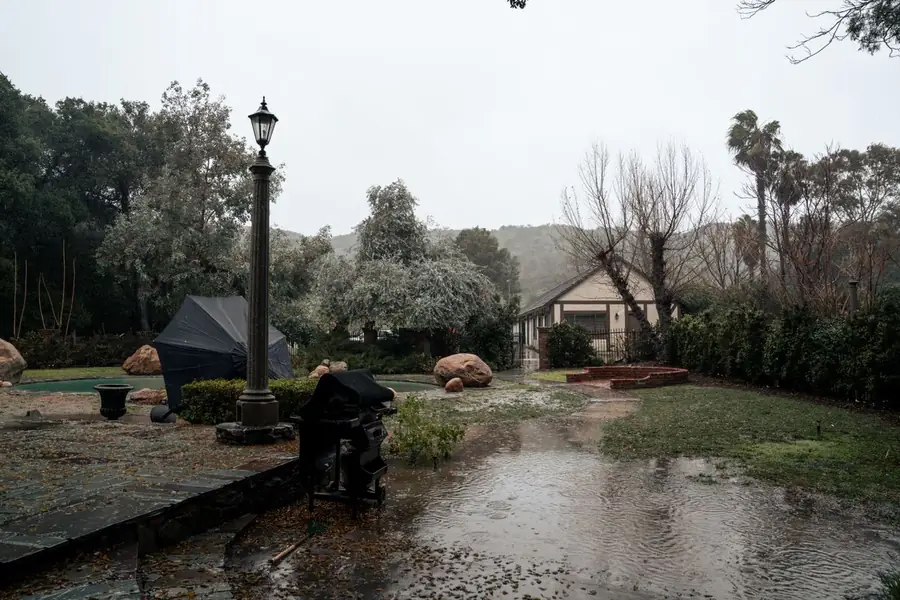
Tarmac is impermeable. All the rainwater that falls on it has to go somewhere - and it runs off the surface to wherever the lowest point is. On a well-drained plot with good gullies and a clear run to a drain, this is manageable. On a typical Swindon residential property with a small front garden and clay soil that drains slowly, it means water running across the pavement and into the road, which under current planning rules (introduced in 2008) makes any new impermeable front garden driveway over 5m² require planning permission.
Resin bound surfacing is fully permeable - rainwater drains straight through the surface and into the sub-base below. Under permitted development rules, permeable surfaces don’t require planning permission for front garden driveways, which removes that administrative hurdle entirely.
On Swindon’s clay ground specifically, permeability matters for another reason. Clay holds water and expands when wet. An impermeable surface sitting on clay means water can build up beneath it rather than escaping - which accelerates the freeze-thaw cracking that causes tarmac to break up over time. Resin’s permeable surface keeps the clay beneath drier and more stable, which is part of why it lasts longer on this type of ground.
Durability And Lifespan
A well-installed tarmac driveway on a good sub-base should last 15-25 years. In practice, most residential tarmac in Swindon starts showing age - surface cracking, edge breakdown, oil staining - somewhere between 10 and 20 years, depending on the quality of the original installation.
Tarmac is susceptible to a few specific stresses. Petrol and engine oil dissolve bitumen over time, so areas where cars leak or where fuel gets spilled tend to develop soft spots and crumble. Tarmac also softens in very hot weather - not enough to cause a problem for parked cars, but enough that motorbike side-stands and furniture legs can leave marks if left in one spot on a summer afternoon.
Resin bound surfacing, installed correctly, typically lasts 20-25 years before needing any significant attention. It doesn’t soften in heat, it isn’t affected by oil or petrol the way bitumen is, and because water drains through rather than sitting on it, it suffers less from freeze-thaw damage in winter. The weak point for resin is sub-base failure - if the base beneath shifts or compacts unevenly, the surface above will crack. This is why the quality of the groundwork matters at least as much as the quality of the resin itself.
Maintenance Over Time
Tarmac needs more maintenance than most homeowners expect before they have it laid. The surface should ideally be re-sealed every 3-5 years to prevent water getting into hairline cracks and the freeze-thaw cycle widening them. Cracks that are left unsealed grow, and a cracked tarmac surface that starts letting water into the sub-base deteriorates quickly. Patches are possible but rarely match the original surface exactly - tarmac patching is functional rather than cosmetic.
Resin needs very little. Sweep off leaves and debris regularly to prevent organic build-up in shaded areas. Wash down once or twice a year. Deal with any oil spills quickly using a degreaser. That’s it for most residential driveways. No sealing required, no re-sanding of joints, no edging back from lawns that have grown over.
The absence of maintenance isn’t an oversight in the product design - it’s because there are no joints to weed, no sealant to refresh, and no bitumen binder to protect from the elements.
Cost Comparison For Swindon Driveways
Tarmac is cheaper upfront. For a standard Swindon front driveway of 30-40m², tarmac typically costs £1,500-£3,000 depending on the condition of the existing surface and whether the kerb needs dropped. Resin on the same area runs £2,500-£6,000 depending on the same variables plus the choice of aggregate.
That’s a real difference, and for some budgets tarmac makes more practical sense regardless of the other factors.
Over a 15-20 year horizon the gap narrows. Tarmac re-sealing costs £3-£8 per m² each time it’s done, and if you do it every 3-5 years that’s a recurring cost. Tarmac that isn’t maintained will typically need resurfacing within 12-15 years, which is close to a full replacement cost. Resin over the same period needs none of this.
Whether the maths works in resin’s favour depends on the size of your driveway, how long you plan to stay in the property, and how much the appearance and drainage performance matter to you. There’s no single right answer - but the calculation looks different over a 20-year horizon than it does on day one.
Which Should You Choose?
Tarmac makes sense if upfront cost is the primary constraint, if the driveway is at the back of the property where aesthetics matter less, or if you’re planning to sell within 5 years and want a functional surface without a significant investment.
Resin makes sense if you want a driveway that looks good for 20+ years without ongoing maintenance, if drainage is a concern (which it is for most Swindon front gardens on clay), or if you want the colour and design options that tarmac simply can’t offer.
For most of the residential work we do in Swindon, resin comes out ahead on a straightforward assessment - it lasts longer, drains better, looks better, and costs less to maintain. But tarmac is a reasonable product and there are situations where it’s the right call.
If you’re not sure which is right for your property, a free site visit is the best way to get a straight answer - we can look at the existing surface, check drainage and ground conditions, and give you an honest quote for both options so you can make the decision with real numbers in front of you.
Frequently Asked Questions
Is resin more expensive than tarmac for a Swindon driveway?
Yes, usually. Tarmac is typically £40-£80 per square metre for a standard residential driveway in Swindon. Resin bound surfacing runs £80-£150 per square metre for a typical installation. The gap closes somewhat on larger driveways where resin's price per square metre drops slightly. Over a 20-25 year lifespan, resin's lower maintenance costs can offset some of the higher upfront price - tarmac often needs re-sealing every 3-5 years and can require patching or resurfacing within 10-15 years.
Does tarmac or resin drain better on Swindon's clay soil?
Resin bound surfacing drains significantly better. It's fully permeable - water passes straight through the surface and into the sub-base below, rather than running off in sheets. Standard tarmac is impermeable, meaning all rainwater runs off the surface and has to go somewhere - usually into a drain, across the pavement, or pooling at the edges. On Swindon's clay soil, where the ground drains slowly to begin with, resin's permeability is a meaningful advantage.
Can resin be laid over an existing tarmac driveway in Swindon?
Often yes - if the tarmac is sound, level, and not showing significant cracking or movement. We assess the condition of the existing surface on every site visit. Where the tarmac has cracked badly or the sub-base beneath is failing, we'd recommend removing it and starting fresh rather than laying resin over a compromised base, as the resin will reflect any movement in the surface beneath.
Does tarmac need more maintenance than resin?
Yes, noticeably more. Tarmac needs re-sealing every 3-5 years to prevent water ingress and surface degradation. It's susceptible to fuel and oil spills, which can soften the bitumen binder over time. It also tends to suffer more from the freeze-thaw cycle in winter, particularly on Swindon's clay where water can sit beneath an impermeable surface and cause frost heave. Resin needs very little maintenance beyond occasional sweeping and washing.