
10 August 2026
Commercial Resin Surfacing In Swindon: Car Parks, Paths And Business Premises
Resin bound surfacing isn’t just for driveways. The same material that surfaces a smart residential drive is used commercially across Swindon and beyond - business car parks, office forecourts, pathways through commercial developments, courtyards, and pedestrian access routes. For the right applications, it’s a professional, hard-wearing, permeable surface that looks considerably better than plain tarmac and helps businesses meet the drainage requirements that increasingly come with commercial planning. If you manage a business premises, a development, or a commercial site and you’re weighing up resurfacing options, here’s an honest look at where commercial resin surfacing works, what it costs, and what to consider before specifying it.
Where Resin Works On Commercial Sites
Resin bound surfacing suits a range of commercial applications, though not every commercial site is a fit - and it’s better to be straight about which ones are.
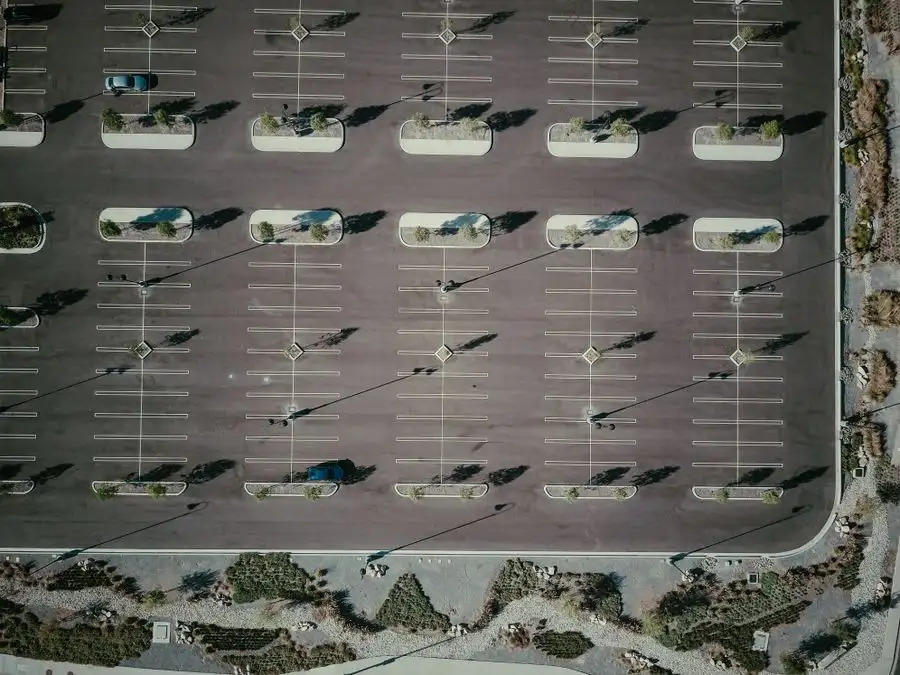
It’s a strong fit for car parks serving offices, retail units, care homes, hotels, schools and similar premises, where you want a surface that carries regular car and light vehicle traffic and looks professional. Business forecourts and entrances - the first thing clients and visitors see - benefit from resin’s clean, high-quality finish. Pathways, courtyards, and pedestrian access routes through commercial developments are ideal, combining good grip with a permeable, low-maintenance surface. It also works well for the shared surfaces in residential developments and around communal buildings.
Where resin is less suited is very heavy-duty applications - HGV yards, high-frequency loading areas, or surfaces taking constant heavy plant - where the loading demands a different engineered solution. A good installer will tell you honestly when your application is beyond what resin is the right choice for, rather than specifying it anyway. For the material detail, our resin bound stone guide explains how it’s made and specified.
The Commercial Advantages
Beyond looking better than tarmac, resin brings several practical advantages that matter more on a commercial site than a domestic one.
Permeability is high on the list. Commercial developments increasingly have to meet Sustainable Drainage System (SuDS) requirements, managing rainwater on site rather than overloading drains. A permeable resin surface drains through rather than shedding water, which helps meet those requirements and reduces surface water across large paved areas like car parks. On big commercial sites, that’s not a nice-to-have - it’s often a planning condition.
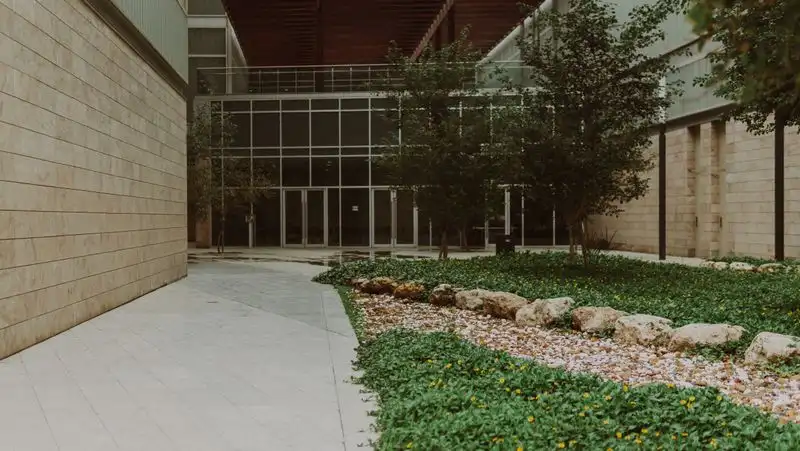
Low maintenance is the other big one. A commercial surface that needs constant patching, re-sealing or weeding costs money and causes disruption. Resin needs very little - no re-sealing, no joints to weed, no loose stone to sweep - which keeps a site looking presentable with minimal ongoing cost and downtime. Add slip resistance from the textured finish (important for public liability on sites the public use), the ability to lay in defined colours and zones, and a smooth, level surface that’s accessible for wheelchairs and trolleys, and it stacks up well for the right applications.
Specification Is Everything On Commercial Work
If the sub-base matters on a domestic driveway, it matters even more commercially, because the loading and use are heavier and more constant.
A commercial resin surface has to be specified for the actual loading it will carry. That means the surface depth and, crucially, the sub-base engineering are worked out for the vehicle types, traffic frequency, and site conditions - not just laid to a standard domestic spec. A car park taking constant car movements needs more than a residential driveway; an area seeing occasional delivery vehicles needs more again. Getting this right is the difference between a commercial surface that lasts for years and one that ruts and fails within a couple.
This is why commercial resin work should never be quoted off a photo or a rough size. It needs a proper site assessment - ground conditions, drainage, expected loading, existing surfaces - before a specification and price can be given. On Swindon’s clay ground, the sub-base engineering matters as much commercially as it does on a driveway, often more. An installer who quotes commercial work without assessing loading and ground conditions is one to be wary of.
What Commercial Resin Surfacing Costs
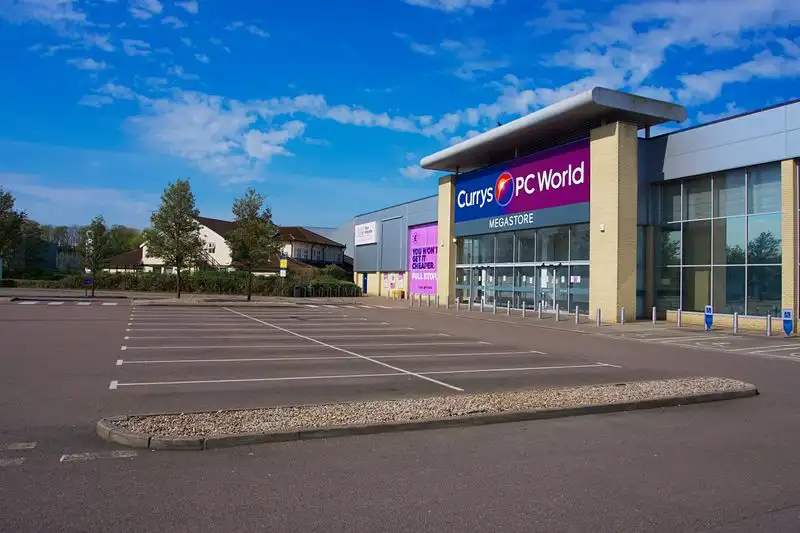
Commercial resin surfacing is priced per square metre much like residential work, broadly in the £100-£300 range, but the spread is wider and the drivers are different.
The biggest cost factors are the loading requirement and the sub-base it demands, the size of the area, drainage and SuDS requirements, and site access. A large, straightforward car park on decent ground can bring the per-metre rate down through economy of scale. A heavy-duty specification, complex drainage, phased works to keep a site operational, or difficult access push it up. Because these variables swing so much more than on a domestic driveway, commercial pricing is genuinely bespoke - a realistic figure only comes from a site visit and a proper specification.
It’s worth weighing whole-life cost, not just the install price. A commercial surface that’s cheap to lay but needs frequent maintenance, causes downtime, or fails early can cost far more over ten years than a properly specified resin surface laid once. For a business, the disruption of redoing a car park is often a bigger cost than the surfacing itself.
Minimising Disruption To Your Business
For a working commercial site, the practical concern is often less about the surface and more about keeping the business running during the work - and it’s a fair thing to plan for.
Commercial resurfacing can usually be phased to keep a site partly operational - doing a car park in sections, working out of hours or over quieter periods, or sequencing the work around access needs. This takes planning and should be discussed up front, so the schedule fits your operation rather than shutting it down. Resin’s relatively quick installation and short curing time help here: areas can be back in use within a few days rather than weeks.
The key is agreeing the logistics before work starts - which areas, in what order, over what timescale, and how access and parking are managed throughout. A commercial installer used to working around live sites will plan this with you rather than treating it as an afterthought.

Getting A Commercial Project Assessed
Every commercial resin project is different, far more so than domestic driveways, which is why the starting point is always a proper assessment rather than a quick quote. The loading, the drainage requirements, the ground conditions, the site logistics - all of it shapes both the specification and the price, and none of it can be judged from a distance.
If you’re responsible for a commercial site in Swindon or the surrounding area - a car park, a forecourt, pathways, or a development - and you’re considering resin surfacing, get in touch to arrange a site assessment. We’ll look at the loading and drainage requirements, advise honestly on whether resin is the right choice for your application, and provide a specification and quote built around your site and your operation.
Frequently Asked Questions
Is resin bound surfacing suitable for commercial use?
Yes. Resin bound surfacing is widely used commercially for car parks, business forecourts, pathways, courtyards, and access routes. Specified correctly - with the right surface depth and a properly engineered sub-base for the loading - it handles regular vehicle traffic and pedestrian use. It's permeable (helping with SuDS and drainage requirements), low-maintenance, slip-resistant, and can be laid in company colours or with defined zones and markings. For most light-to-medium commercial applications in Swindon, it's a strong, professional-looking option.
How much does commercial resin surfacing cost?
Commercial resin surfacing is typically priced per square metre like residential work, in the region of £100-£300 per square metre, but the exact figure depends heavily on the loading requirements, the sub-base needed, the size of the area, and access. Larger areas can bring the rate down slightly, while heavy-duty specifications and complex sites push it up. Every commercial project is quoted individually after a site assessment, since loading and drainage requirements vary far more than on a domestic driveway.
Is resin surfacing permeable enough for commercial SuDS requirements?
Resin bound surfacing is permeable, which helps commercial sites meet Sustainable Drainage System (SuDS) requirements that increasingly apply to new and resurfaced commercial developments. Rainwater drains through the surface rather than running off, reducing surface water and the load on drainage. On larger sites or heavy clay, this is usually combined with an engineered permeable sub-base and, where needed, soakaways or attenuation. It's one of the reasons resin is specified for commercial car parks and access areas.
How long does commercial resin surfacing last?
A properly specified and installed commercial resin surface lasts many years with minimal maintenance, though lifespan depends on the traffic it carries and whether the specification matched the loading. Commercial sites see heavier and more constant use than driveways, so the surface depth and sub-base engineering need to be specified for that use. Get the specification right for the loading and a commercial resin surface is a durable, low-upkeep choice; under-specify it and it will wear faster.