
20 July 2026
Resin Bound Stone: What It Is And Why Swindon Homeowners Are Choosing It
If you’ve been looking into a new driveway around Swindon, you’ve almost certainly come across the term “resin bound stone” - and possibly resin bound surfacing, resin driveways, and resin bonded, all used as if they mean the same thing. They don’t quite. Resin bound stone is a specific material, and understanding what it actually is helps explain why it’s taken over so much of the driveway market here over the last decade. Roughly 7 in 10 of the driveways we lay across Swindon now use it, and the reasons come down to how it copes with the local clay ground, how little upkeep it needs, and how it looks. Here’s what resin bound stone is, how it’s made, and why so many Swindon homeowners are choosing it.
What Resin Bound Stone Actually Is
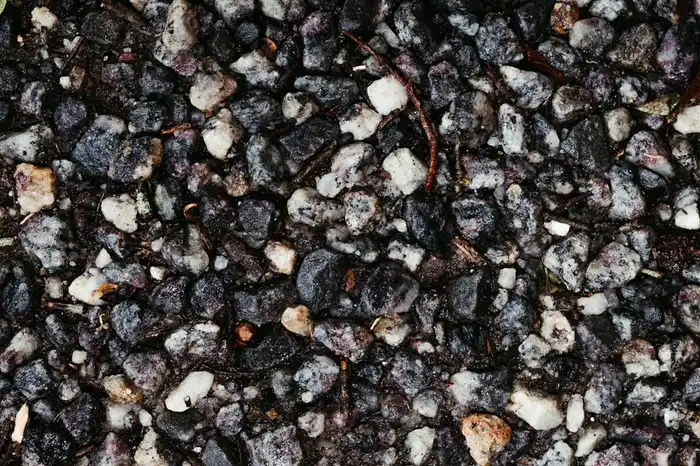
Resin bound stone is exactly what the name suggests: natural stone, bound together with resin. The stone is a graded aggregate, usually 1-3mm - quartz, granite, flint or marble chippings depending on the blend - and the binder is a clear, UV-stable polyurethane resin.
The two are mixed together in a forced-action mixer on site, so every individual stone gets fully coated in resin. That coated mix is then poured out and hand-trowelled across a prepared base to a depth of around 15-18mm. As it cures, the resin locks each stone to the ones around it, and to the base below, forming a single continuous surface. Tiny voids remain between the stones, which is what makes it permeable.
The result is a smooth, seamless finish with no loose stone at all. You can walk on it barefoot, wheel a pushchair across it, and park a car on it, and nothing shifts or scatters. If you want the full technical detail on the material and its uses, our resin bound stone service page goes into how we spec and lay it.
Bound vs Bonded: An Important Difference
This trips a lot of people up, and it’s worth getting straight because the two are genuinely different products despite sounding almost identical.
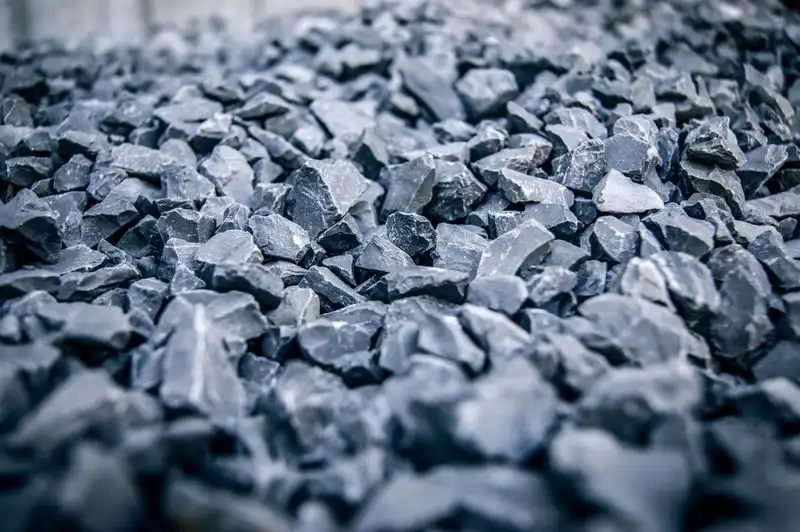
Resin bound stone, as above, mixes the stone through the resin before laying, giving a smooth, permeable surface with no loose stone. Resin bonded is a different process entirely - dry stone is scattered onto a layer of wet resin, so it only sticks at the bottom of each stone. That leaves a rougher, textured surface that isn’t permeable and sheds loose stone over time as the top layer works free.
For a Swindon driveway, resin bound is almost always the better choice. It’s permeable, which matters enormously on clay ground, it lasts longer, and it needs far less maintenance. Resin bonded has its uses for certain decorative or anti-slip jobs, but if someone quotes you a very cheap “resin driveway,” it’s worth checking which one they mean. We’ve covered this in more depth in our guide to resin bound vs resin bonded.
Why Permeability Matters So Much In Swindon
Swindon sits on heavy clay, and that single fact explains a lot about why resin bound stone has done so well here.
Clay holds water. When it’s wet it swells, when it dries it shrinks, and it drains slowly. Put a solid, impermeable surface like standard block paving or concrete over clay and the water has nowhere to go - it pools on top, runs off to the lowest point, or sits in the ground beneath and freezes in winter. That movement and trapped water is what cracks and lifts driveways across the older estates in Park North, Stratton and Walcot.
Resin bound stone is permeable, so rainwater drains straight through the surface and into the sub-base rather than sitting on top. That keeps the clay beneath more stable and stops surface water becoming a problem. It also means resin bound surfaces are SuDS compliant and usually avoid the planning permission that impermeable front-garden driveways over 5m² can require. On Swindon’s ground, that drainage advantage is genuinely one of the biggest reasons people choose it.
The Colour And Aggregate Choices
One nice thing about resin bound stone is that the material and the look are separate decisions. The technical surface is the same whatever blend you pick, but the aggregate sets the entire character.
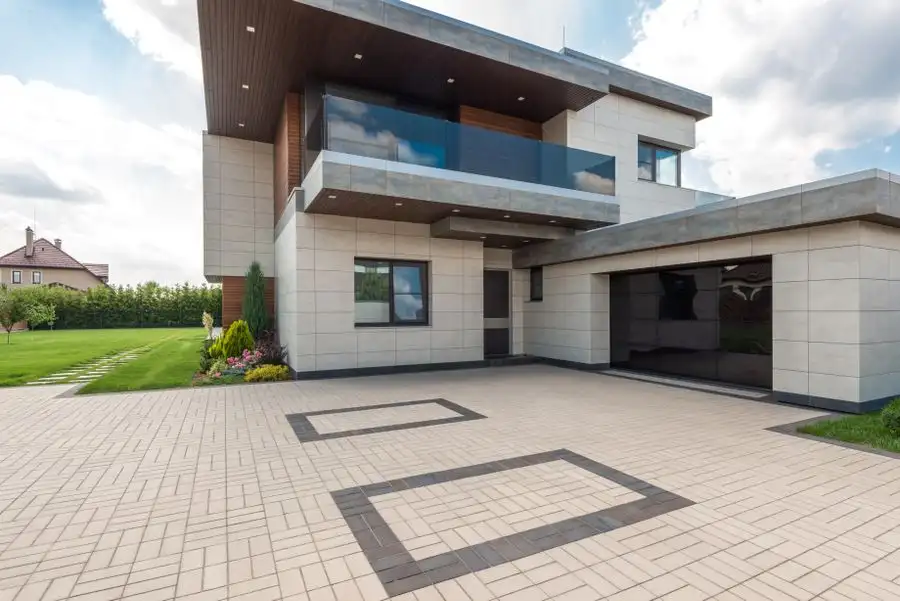
Blends run from pale buff, cream and gold tones through silver and mid-grey to charcoal and near-black, plus flecked and multi-tone mixes. Because the colour comes from natural stone rather than a dye or coating, it doesn’t fade, and the UV-stable resin means it doesn’t yellow either. That’s a big deal on a surface you’ll live with for 20-plus years.
For Swindon’s mix of properties, that flexibility matters. A buff or gold blend warms up an older red-brick semi in Old Town; a silver or charcoal grey looks crisp against the render and grey brick on newer estates like Wichelstowe. We always recommend seeing samples against your own house before deciding - our post on the best resin driveway colours walks through how to choose.
How It’s Installed
The finished surface goes down quickly, but the quality of a resin bound driveway is decided almost entirely by what happens underneath it.
First comes the base. If there’s a sound existing surface - solid concrete or tarmac with no significant cracking or movement - the resin can often be laid straight over it after preparation. If not, the old surface is dug out and a new permeable sub-base is laid and compacted, typically 100-150mm of open-graded stone. On Swindon’s clay this step is critical; a skimped sub-base is the single most common cause of a resin surface failing early.
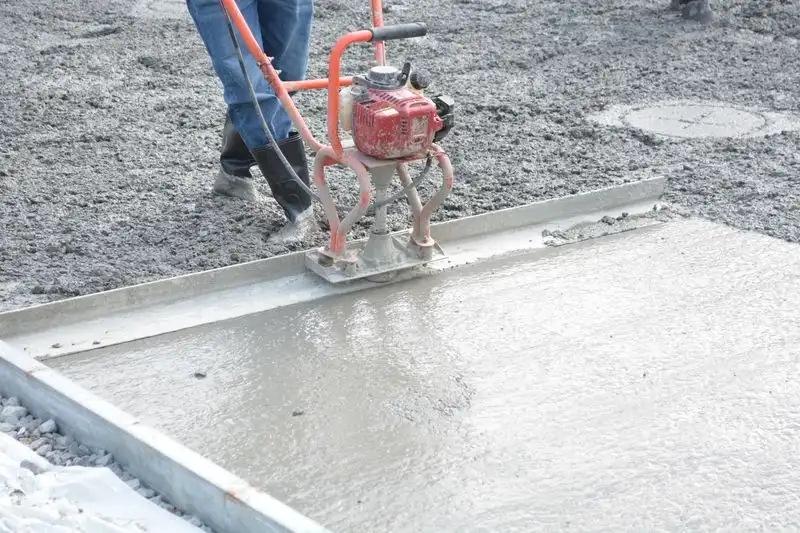
Then the resin and stone are forced-mixed on site in small batches, poured out, and hand-trowelled to a smooth, even finish. The surface is walk-on ready within a day and can usually take vehicles after 48-72 hours. Most standard driveways are a one to two day job. The material almost never fails - when a resin surface cracks, it’s the groundwork underneath that’s let go.
What It Costs And What You Get
Resin bound stone typically costs £100-£300 per square metre installed. For a standard Swindon front driveway of 30-40m², that usually works out somewhere between £2,000 and £6,000, with the main variables being the aggregate blend and how much ground preparation is needed.
It’s not the cheapest surface upfront - loose gravel and tarmac both come in lower - but the value shows over time. A properly installed resin bound surface lasts 20-25 years, needs almost no maintenance beyond an occasional sweep and rinse, has no joints for weeds, and no loose stone to rake back. Set against block paving that needs re-sanding and weeding, or tarmac that needs re-sealing and cracks on clay, the long-term maths usually work in resin’s favour. Our full resin driveway cost guide breaks the numbers down properly.
Is It Right For Your Property?
For most Swindon homes, resin bound stone is a strong choice - permeable on clay ground, hard-wearing, low-maintenance, and available in a finish to suit any property. It works just as well for a garden path or patio as it does for a driveway, so the same material and colour can tie the whole frontage together.
Where it’s less of an obvious fit is very tight budgets, or where a base is so poor that the groundwork cost climbs steeply. But even then, the honest answer usually only comes from someone looking at your actual ground - the condition of what’s already there is what decides both the price and the approach.
If you’re weighing it up for your own driveway, path or patio, get in touch for a free site visit. We’ll assess the ground, talk through aggregate blends against your house, and give you a clear, no-obligation quote with the sub-base spec written down.
Frequently Asked Questions
What exactly is resin bound stone?
Resin bound stone is a surfacing material made by coating natural aggregate - graded stone, quartz, granite or flint around 1-3mm in size - in a clear, UV-stable resin, then trowelling the mix onto a prepared base. Because every stone is fully coated and bonded to its neighbours, it sets into a smooth, permeable surface with no loose stone. It's used for driveways, paths, patios and commercial surfacing, and across Swindon it's become one of the most popular driveway finishes.
Is resin bound stone the same as a resin driveway?
Essentially yes - resin bound stone is the material, and a resin driveway is one of the things you make with it. The same bound stone is used for pathways, patios, pool surrounds and steps too. So when people talk about a resin driveway, resin bound surfacing, or resin bound stone, they're usually describing the same material used in different places.
How much does resin bound stone cost in Swindon?
Resin bound stone typically costs between £100 and £300 per square metre installed, depending on the aggregate blend, how much ground preparation is needed, and the size of the area. Most driveway projects in Swindon fall somewhere in the £2,000 to £6,000 range for a standard front driveway. The biggest cost variable is usually the sub-base - a sound existing base that can be overlaid keeps the price down, while a full excavation on soft clay ground adds to it.
Is resin bound stone good for Swindon's clay soil?
Yes, and it's one of the main reasons it's so popular here. Resin bound stone is permeable, so rainwater drains straight through the surface into the sub-base rather than pooling on top - a real advantage on Swindon's heavy clay, where standing water is a common problem with solid slabs and block paving. Laid over a properly compacted, permeable sub-base, it copes with the seasonal movement of clay far better than impermeable surfaces that crack and shift.