
5 September 2026
Removing An Old Driveway In Swindon: What The Dig Really Adds To Your Quote
Most people getting quotes for a new driveway are looking at the finish. The colour of the stone, whether the border is charcoal or silver grey, how the edge meets the lawn. Meanwhile the single biggest source of variation between two quotes for the same house is usually invisible in the photographs: what has to come out of the ground first, and where it goes afterwards.
On a fairly ordinary 40 square metre Swindon drive, excavation and disposal often runs to a quarter or a third of the total. A drive dug to 250mm produces roughly 10 cubic metres of material, and depending on what it is made of that weighs somewhere between 15 and 24 tonnes. Nobody carries 20 tonnes off site for nothing. Understanding that part of the job is the fastest way to work out why one quote came in at £4,200 and another at £5,600 for what looks like identical work.
What The Excavation Is Actually Doing
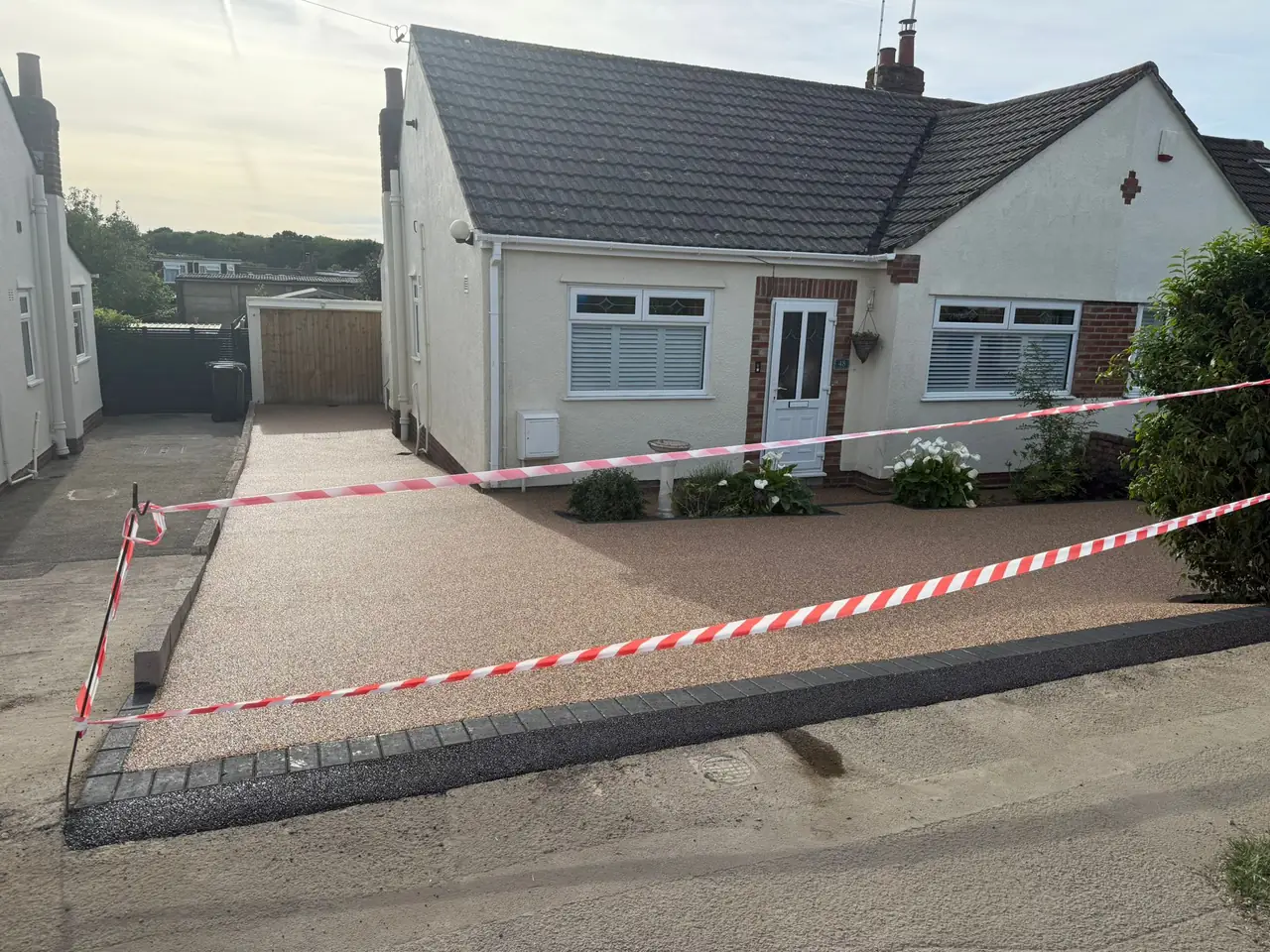
Digging out is not simply clearing space. It is creating a formation level - a firm, evenly graded base at the right depth to take the stone sub-base that will actually carry your car. Everything above that formation is either doing structural work or is in the way, and old driveways are usually full of things in the way.
A resin bound driveway sits on around 150 to 200mm of compacted open-graded stone with the resin and aggregate layer over the top, so the hole has to be deep enough for the whole build-up plus enough room to bring the finished level in below your damp proof course and door thresholds. That last constraint catches people out. If the new surface has to finish 150mm below the DPC and the old drive is already close to it, you are digging deeper than you might expect purely to end up in the right place vertically.
The depth also shifts with the ground. Swindon is not one geology. The Old Town ridge sits on limestone, and once the surfacing is off you can be onto something firm quickly. Head north into Abbey Meads, Priory Vale or Haydon Wick and you are into clay, which softens when it is wet, moves with the seasons and often needs a deeper stone layer and a geotextile membrane to stop the sub-base pumping down into it over the years. Two houses ten minutes apart can genuinely need different depths, and honest quotes will say so.
Weight, Not Square Metres, Is What You Pay To Remove
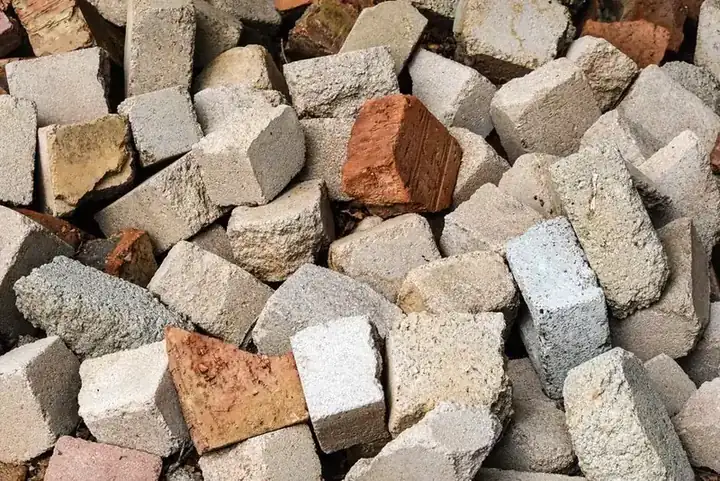
Homeowners think in square metres. Waste is charged by the tonne. Once you get used to converting between the two, quotes start making a lot more sense.
Rough working figures the trade uses: broken concrete comes in at around 2.3 tonnes per cubic metre, compacted hardcore and old sub-base at roughly 1.8 to 2.0, and soil somewhere between 1.5 and 1.8 depending on how wet it is. Wet clay is at the heavy end of that range, which matters in a Swindon February far more than it does in July.
Put numbers on a real drive. Forty square metres at 250mm deep is 10 cubic metres. If that is soil and gravel, call it 16 tonnes. If it is a concrete slab over hardcore, you are closer to 22. The volume is identical and the disposal cost is not - which is exactly why “how much to dig out a driveway” has no single answer, and why a quote that gives you one flat figure without asking what is under there is a quote written by someone who has not looked.
What Usually Comes Out Of A Swindon Front Garden
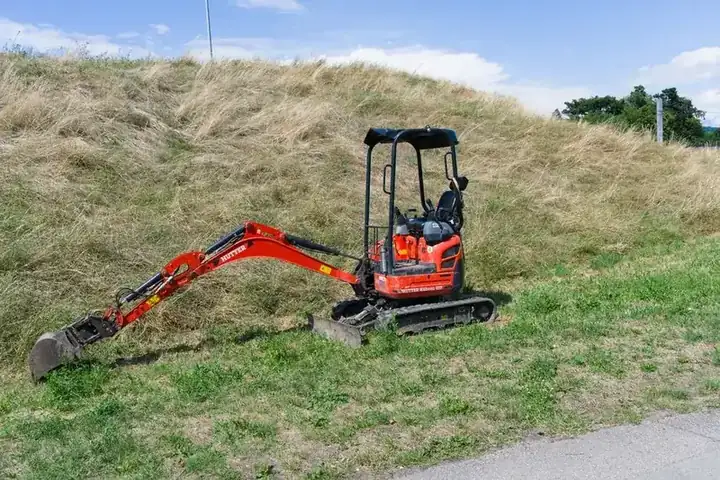
The town’s building history shows up in what the digger finds. Interwar semis around Lawn, Old Walcot and Kingshill tend to have thin concrete strips or a later slab poured straight onto whatever was there, sometimes with a layer of clinker or ash beneath it from the railway era. Postwar estates like Park North, Penhill and Walcot East go in for larger concrete aprons, often with a fair bit of steel in them.
The 1970s and 80s brought tarmac over minimal foundations, which is the single most common thing we take up. The estates built from the late 90s onwards - Freshbrook, Grange Park, Redhouse, Tadpole Garden Village - are usually block paving on a proper sub-base, and there the news is often good, because a sound sub-base can sometimes be kept and reworked rather than removed entirely.
Then there is the stuff nobody planned for. Old brick footings from a demolished porch or coal store. A buried garden path two spits down. Roots from a conifer hedge that came out in 2005 but left its skeleton behind. Live services, which stop the machine entirely until they have been traced by hand. None of these show up on a photograph from the pavement, and they are why a site visit before quoting is not a sales formality.
Skips, And The Licence If Yours Goes On The Road

Skips are the default answer on smaller jobs and the wrong answer on bigger ones. A builders skip is limited by weight long before it is limited by space. Fill an eight yard skip with rubble and you will hit the payload limit with the skip barely two thirds full, which is why most operators will only take heavy waste in the smaller sizes and will refuse to lift one that has been loaded past the line.
Do the arithmetic on our 40 square metre example and it becomes obvious. Twenty tonnes of concrete and hardcore is not one skip. It is four or five, each needing an exchange, each needing somewhere to sit.
Somewhere to sit is the second issue. If the skip can go on your own drive or garden, you need no permission from anybody. The moment it sits on the road or the footway you need a licence from the council. Swindon Borough Council’s page on applying for a licence to place a skip on the highway sets out the fee at £95, asks for a minimum of five working days, and runs the permit for 21 days before it needs renewing. There is a faster emergency route at a higher price, and a penalty charge if the conditions are breached. Placing one without a licence is an offence under section 139 of the Highways Act, and the liability lands on the householder, not the skip firm.
That five day lead time is worth planning around. On terraced streets in Rodbourne or Gorse Hill, where parking is already contested and the skip has to occupy a bay, it is the difference between a job that starts on Monday and a job that starts a fortnight on Monday.
Grab Lorries, Muck Away And Where It All Ends Up
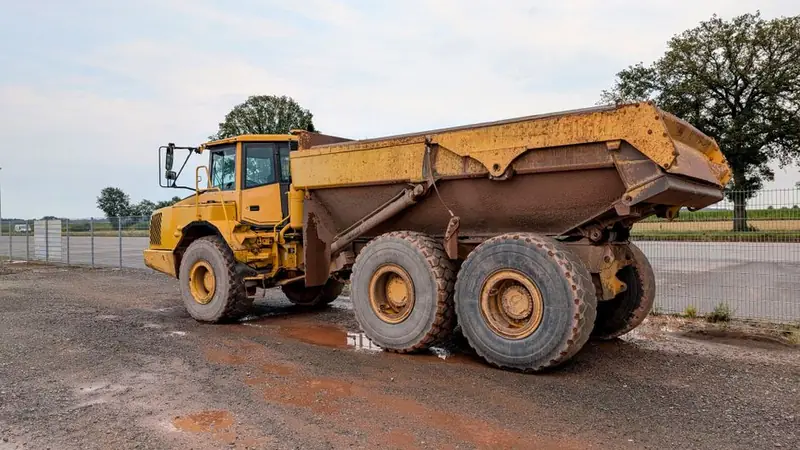
Above roughly ten tonnes, most installers stop using skips and switch to grab lorries or tippers - what the trade calls muck away. An eight wheel grab takes something in the region of 15 to 16 tonnes in one visit and loads itself with a hydraulic arm over the garden wall, so nothing has to be barrowed to the kerb.
Faster, cheaper per tonne, far less disruptive to the street. It has one requirement: the lorry needs to get within reach. On an open frontage in Covingham or Nythe that is trivial. On a narrow lane in Wroughton with parked cars both sides and overhead cables, it may not be possible at all, and the job falls back to skips or to a dumper shuttling to a lorry parked further along.
Wherever it goes, it is regulated. Anyone moving your waste has to be a registered waste carrier, and you can check a firm’s registration on the government’s waste carrier and broker registration service. That is not box ticking. Under the household and business waste duty of care, if material from your property is fly-tipped, the trail can come back to you unless you took reasonable steps to check who took it. Ask for the transfer note. A decent contractor hands it over without being asked.
For the small stuff, doing it yourself is theoretically possible. Swindon’s Household Waste Recycling Centre at Waterside Park on the Cheney Manor Industrial Estate accepts DIY and hardcore waste, but the council’s guidance on where to go and what you can bring to the recycling centre makes clear that visits are pre-booked into 20 minute slots. Practical for a few broken slabs. Not practical for three tonnes of concrete.
Concrete, Tarmac And Block Paving Come Up Very Differently

Three surfaces, three completely different days on site.
Block paving is the easiest. The blocks lift by hand or with a small machine, they stack, and there is a genuine market for reclaimed blocks, so occasionally the disposal cost drops to nothing. Beneath them sits sand and, if it was built properly, a sound sub-base that may only need trimming and recompacting.
Tarmac breaks up readily with a breaker or a digger bucket and is usually thin, but it counts as a separate waste stream at the tip and is priced accordingly. What is under it decides the day. Tarmac over a real sub-base is a good outcome. Tarmac laid directly on soil in 1982 means the whole thing comes out.
Concrete is the difficult one, and reinforced concrete is difficult with an extra step. The mesh or bar has to be cut out and separated before the rubble can be recycled, which is labour on site rather than machine time. A 150mm reinforced slab across a double drive can add most of a day.
There is one worthwhile alternative here. Where an existing concrete or tarmac base is genuinely sound, level, well drained and at a workable height, resin can sometimes be laid over the top rather than dug out - which removes the excavation and disposal cost from the job almost entirely. It is not a universal fix and it needs proper assessment, but it is worth asking about, and we go through the conditions in detail in our guide to laying resin over existing concrete and tarmac.
Access Is The Cost Nobody Puts On A Quote
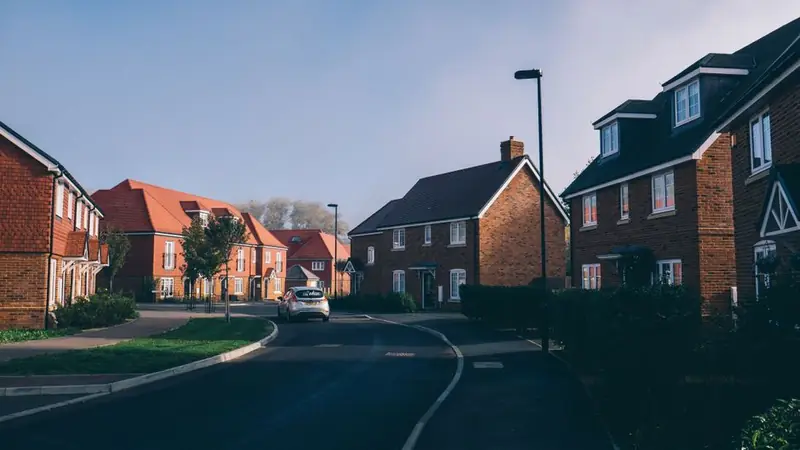
Two identical drives, one with a wide open frontage and one behind a 900mm side gate, are not the same job. Excavation costs are driven as much by how far material has to travel as by how much of it there is.
Where a mini digger can reach the dig and a grab can reach the pile, the material is handled once. Where it cannot, every tonne is loaded into a barrow or a small dumper, wheeled out and loaded again. A team that can clear a front drive in a morning can spend an entire day on the same volume behind a house, and that day is real money.
Things that quietly change the number: gate widths under a metre, side passages with a step, rear courtyards on the older estates, low overhead cables, a garage in the way, a slope steep enough that a loaded barrow is unsafe. The Railway Village and the tighter streets around Old Town add another layer, because a conservation area brings restrictions on what can be altered as well as practical constraints on where a lorry can stand.
Say all of this out loud during the site visit. An installer who has seen the gate and the step will price it once and stick to the price. One who quoted from Google Street View will find it on day one, and that conversation always happens at the worst possible moment.
What The Excavation Line On Your Quote Should Say

You do not need a breakdown to the penny. You do need enough detail that you can compare two quotes and know you are comparing the same work.
Look for the excavation depth stated as a number in millimetres rather than a phrase like “dig out as required”. Look for whether disposal is included or listed as provisional, because provisional means it may change. Look for a stated approach to unforeseen obstructions - a good quote says what happens if a concrete footing turns up, and at what rate, rather than leaving it open. Look for confirmation that a registered carrier is removing the waste, and that transfer notes will be provided. And look for who is paying for the skip licence if one is needed.
The quote that looks cheapest is very often the one that has left the dig out of it. If one number is £900 below the others and the difference is that it assumes the old base can stay, that is not a discount. It is a different job, and you will find out which one you bought in about three winters.
The Swindon jobs that run smoothly are, almost without exception, the ones where somebody put a spade in the ground before writing a price down.
If you would like an honest figure for taking up what you have and starting again properly, get a free quote for your Swindon driveway and we will come and look at the ground first.
Frequently Asked Questions
How much does it cost to remove an old driveway in Swindon?
On a typical 40 square metre drive, taking up the old surface and carting the spoil away usually accounts for somewhere between a quarter and a third of the total job. The figure moves with what is down there and how far the wheelbarrows have to travel. A thin gravel drive over soil is quick. A 150mm reinforced concrete raft in a rear courtyard with no side access is the expensive end, because it has to be broken, carried and paid for by the tonne.
Do I need a licence to put a skip outside my house in Swindon?
Only if the skip sits on the public highway, which includes the road and the footway. On your own drive or garden you need nothing. Swindon Borough Council charges £95 for a skip licence and asks for at least five working days' notice, with a shorter emergency turnaround available at a higher fee. The licence runs for 21 days. Placing a skip on the road without one is an offence under section 139 of the Highways Act.
Can I take driveway rubble to the tip in Swindon myself?
The Household Waste Recycling Centre at Waterside Park on the Cheney Manor Industrial Estate does accept DIY and hardcore waste from households, but visits are pre-booked into 20 minute slots and there are limits on what one car can bring. For anything more than a small patch of broken slabs it is not a realistic route. Ten square metres of old concrete is comfortably over three tonnes, which is a lot of car boots.
What happens to the material dug out of my driveway?
Clean broken concrete and hardcore normally goes to a recycling facility and comes back as crushed aggregate for someone else's sub-base. Mixed spoil with soil, roots and tarmac in it costs more to dispose of because it has to be separated. Whoever moves it must be a registered waste carrier, and you are entitled to ask for the waste transfer paperwork that proves where it went.