
10 July 2026
Can You Lay A Resin Driveway Over Existing Concrete Or Tarmac? A Swindon Guide
One of the first things we check on any site visit in Swindon is what’s already on the ground - because if the existing concrete or tarmac is sound, resin can go straight over it, and that removes a digger, a grab lorry, and about a third of the cost from the job. Homeowners are often surprised this is even possible. It is, and it’s often the right call. But an overlay on the wrong base is also the single most common way resin driveways fail early, so it pays to understand which situation yours is before anyone quotes you.
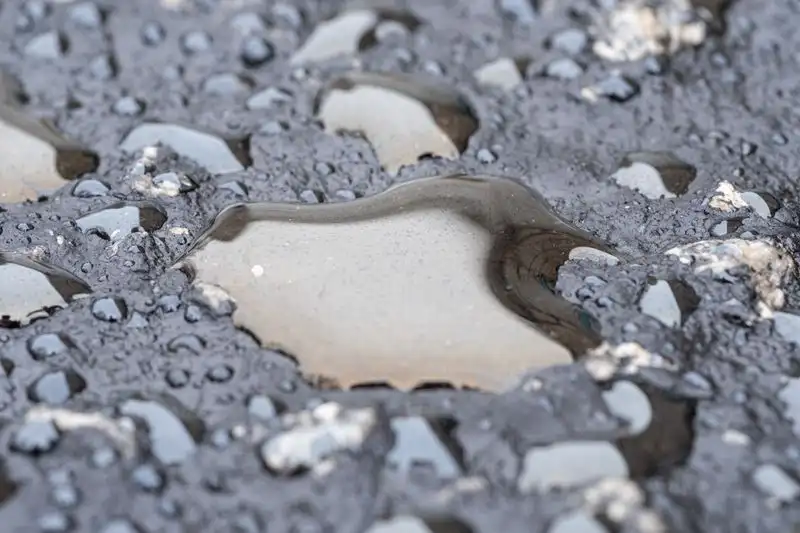
Why Overlays Work At All
Resin bound surfacing is a 15-18mm decorative wearing layer, not a structural one. It has no strength of its own to speak of - it relies completely on whatever is underneath to carry the load of a parked car and to stay still while doing it.
That’s usually presented as a weakness, but it cuts both ways. If you already own a stable, load-bearing surface - a concrete pad that’s sat unmoved for thirty years, or tarmac that’s dull and tired but structurally fine - then the expensive part of a driveway already exists. The resin just needs something solid, clean, and correctly profiled to bond to. Ripping out a sound base to install a new one is spending money to end up where you started.
The whole question, then, is what counts as “sound.” That’s where overlays go right or wrong.
When Concrete Makes A Good Base - And When It Doesn’t
Sound concrete is arguably the best resin base there is. It’s rigid, it doesn’t rut, and if it has survived a few decades of Swindon winters without breaking up, it has already proven it can handle the ground beneath it.
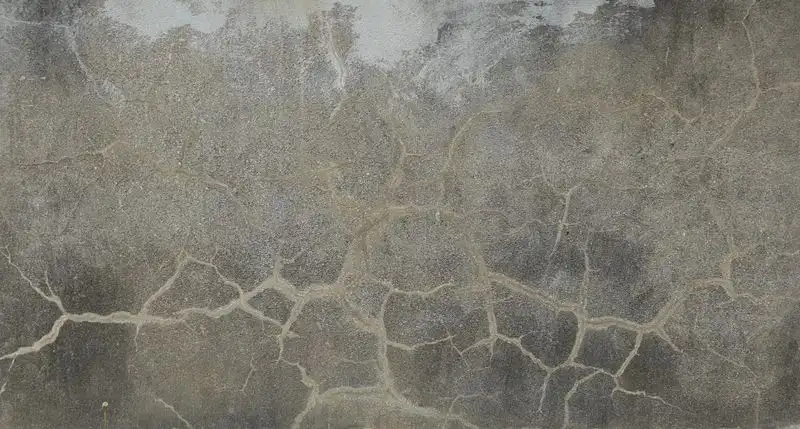
The checks that matter: cracks, movement, and surface condition. Hairline surface crazing is cosmetic and fine. Cracks that go through the slab, or slabs that rock or sit at different heights where the ground has settled, are not - resin laid over a moving crack will crack in the same place, usually within a couple of winters. We check for movement by looking at the crack edges (weathered and stable, or fresh and active?) and testing whether slabs deflect under load.
Expansion joints need respecting too. Concrete moves with temperature at its joints by design, and the resin layer either needs a matching joint or a crack inducement strip over each one. Installers who trowel straight over expansion joints are leaving a tramline crack in your new surface with a 12-month fuse.
Finally, old concrete often carries laitance - a weak, dusty surface skin - plus decades of grime. Proper prep means mechanical abrasion or grinding and a primer, not just a jet wash the morning of the job.
When Tarmac Makes A Good Base
Tarmac is the most common overlay base we see in Swindon, largely because so many estates - Stratton, Park North, Freshbrook, Toothill - got tarmac drives when they were built and those surfaces are now 30-40 years old.
Tired-looking tarmac is often structurally fine. Faded colour, surface roughness, and moss don’t matter; the resin covers all of it. What matters is whether the tarmac is well bonded and thick enough - 25mm minimum - and whether it’s laid on a real sub-base (most is). A few firm checks with a screwdriver at the edges tell you a lot: solid tarmac resists, degraded tarmac crumbles.
The failure points to look for are soft patches where engine oil has broken down the bitumen over years of drips (common at the parking spot, invisible until you probe), edges that are fretting away where there’s no restraint, and potholes or wide cracks that indicate the sub-base below has gone. Isolated bad patches can be cut out and repaired before the overlay; widespread softness means the tarmac comes up.
One more rule that catches people out: if anyone suggests laying fresh tarmac as a base and resin on top in the same week, walk away. New tarmac needs at least 28 days to cure before resin will bond to it reliably.
The Checks That Decide It
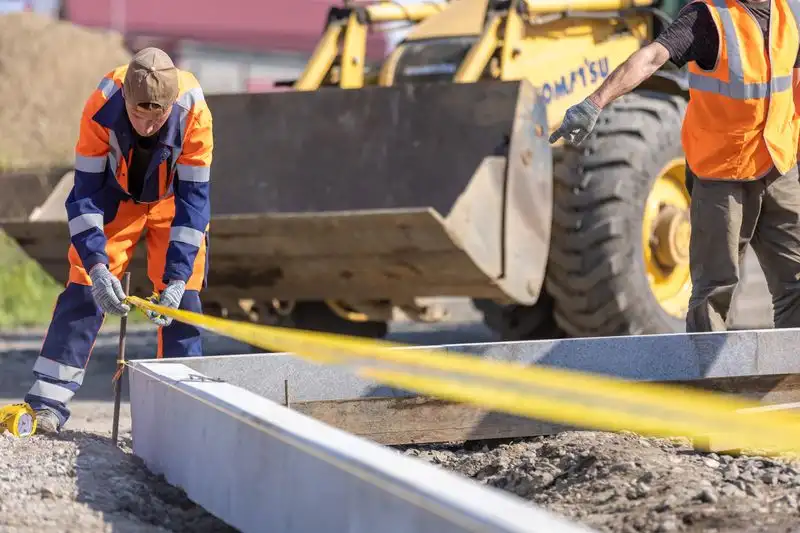
On a site visit, the overlay decision comes down to a short list, and it’s worth knowing what it is so you can judge whether an installer actually did the work or just eyeballed it from the van.
Levels and falls come first. The existing surface needs to shed water in the right direction, because the resin follows the profile of whatever it’s laid on - an overlay won’t fix a driveway that currently ponds against the house. Small hollows can be filled; wholesale wrong falls can’t be fixed with 18mm of resin.
Then thresholds. Adding 15-18mm raises the finished level, and that new level must stay at least 150mm below your damp proof course, clear the garage door swing, and meet the pavement at a legal crossfall. Drain covers and manhole lids get raised or fitted with recessed trays so they finish flush.
And drainage. Here’s the catch people miss: concrete and tarmac are impermeable, so resin laid over them is no longer a permeable construction - the water that gets through the resin has nowhere to go. That changes the planning position. A full permeable build-up needs no permission on a front garden; an overlay on an impermeable base needs the runoff dealt with, usually via existing falls to a drain or a linear channel. It’s routine to handle, but it has to be handled, and it’s the kind of detail a rushed quote skips.
What It Means For Cost And Time
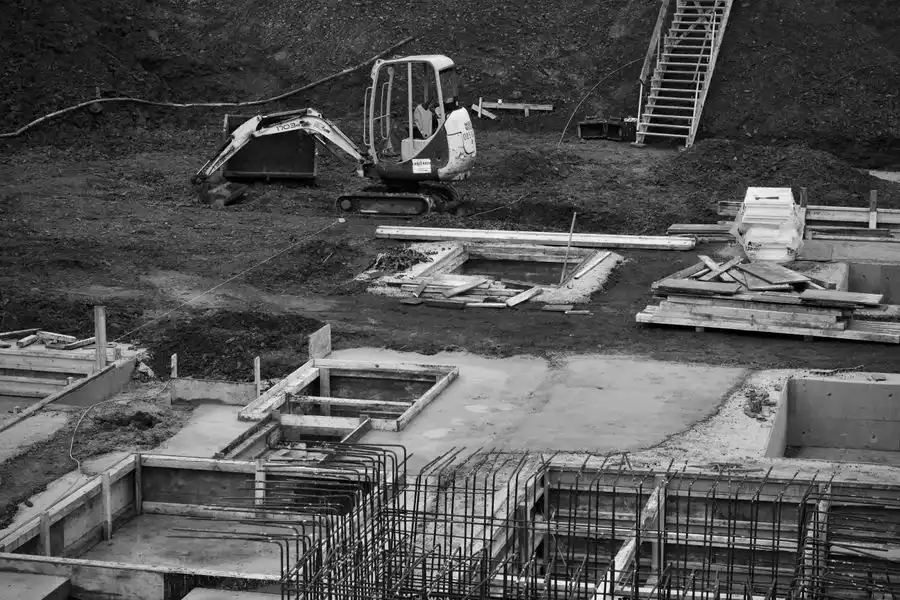
The difference is substantial. A full dig-out on a typical 35m² Swindon driveway means a day of excavation, muck-away at £200-£350 a load, 100-150mm of fresh compacted stone, and then the resin day - two days of work and the thick end of the budget. An overlay skips all of it: prep and repairs in the morning, resin down the same day, cars back on it 48-72 hours later.
In money terms, overlays typically come in £1,000-£2,500 cheaper on an average job. Which is exactly why you should be slightly suspicious of them. That saving makes an overlay quote look great next to a competitor’s dig-out quote, and some firms will overlay anything with a straight face because the failure won’t show until the warranty conversation gets difficult. If two installers disagree about whether your base is sound, make each one explain why - the one pointing at specific cracks and probing specific soft spots is usually the one to believe.
We’ve written before about how long an installation takes - an overlay is the one-day version of that timeline.
The Bottom Line For Swindon Drives
If your existing concrete or tarmac is sound, an overlay is not a compromise - it’s the efficient way to do the job, and the finished surface is identical to one laid on brand-new groundwork. If the base is failing, no saving is worth it: on Swindon’s shrink-swell clay, a bad base moves every season and drags the new surface apart with it. The resin layer is only ever as good as what it sits on.
The good news is that this isn’t a judgement call you have to make yourself. Book a free site visit and we’ll assess the existing surface properly - crack pattern, movement, thickness, falls, thresholds, drainage - and tell you straight whether yours is an overlay job or a dig-out, with the reasoning and the numbers for both.
Frequently Asked Questions
Can resin be laid over an existing concrete driveway?
Yes, if the concrete is structurally sound - no significant cracking, no movement between slabs, no crumbling at the surface. Sound concrete is actually one of the best bases for resin bound surfacing. Expansion joints in the concrete need to be mirrored or bridged correctly in the resin layer, and any surface laitance is mechanically prepared first so the resin bonds properly. Cracked or rocking slabs are a different story - resin will mirror any movement in the base below.
Can resin be laid over old tarmac?
Often, yes. Tarmac in reasonable condition makes a good resin base because it has slight flexibility and is usually laid on a compacted sub-base already. The tarmac needs to be at least 25mm thick, well bonded, and free of major cracks or soft patches where oil has degraded the bitumen. Fresh tarmac must cure for at least 28 days before resin goes over it. Badly cracked or crumbling tarmac needs to come out first.
How much does laying resin over an existing surface save?
Skipping excavation and a new sub-base typically saves £1,000-£2,500 on an average Swindon driveway - roughly 25-40% of the total job cost. You avoid the digger, the skip or grab lorry for muck-away, the new stone, and a full day of labour. That's exactly why some installers push overlays even when the existing surface isn't good enough - the quote looks better. An overlay on a bad base is the most common cause of early resin failure we see.
Will a resin overlay raise the driveway level?
Yes, by 15-18mm - the depth of the resin layer. On most driveways this is absorbed without any issue, but it matters at thresholds: garage doors, door sills, and damp proof courses all need checking. Building regulations require finished external levels to stay at least 150mm below the damp proof course. Drain covers and manhole lids also need raising or recessing so they sit flush with the new surface.