
15 September 2026
What A Resin Driveway Costs To Keep, Not Just To Lay: 20-Year Running Costs In Swindon
Ask what a driveway costs and you get one number, quoted once, on the day it is laid. Nobody quotes the other twenty years.
Those twenty years are what decide whether the first number was good value. A driveway is not really a purchase, it is a subscription you pay in hoses, sand, weekends, patch repairs and eventually a resurface. Swindon takes roughly 700mm of rain a year against a UK average well over a thousand, which matters more than it sounds like it should - a drier town grows moss more slowly and stretches the gap between cleans. It is also a town split down the middle geologically, limestone up on the Old Town ridge and shrink-swell clay through Abbey Meads, Taw Hill and Priory Vale, and clay is what turns a maintenance schedule into a repair bill.
So this is a run at the whole-life figure. What you actually spend keeping a driveway over two decades, resin against block paving against tarmac, with the caveat stated up front and repeated: every pound below is an estimate drawn from the jobs we quote and revisit, not a survey.
Watch: the whole-life figure, not the number quoted on the day it goes down.
Why The Installation Price Is Only Half The Number
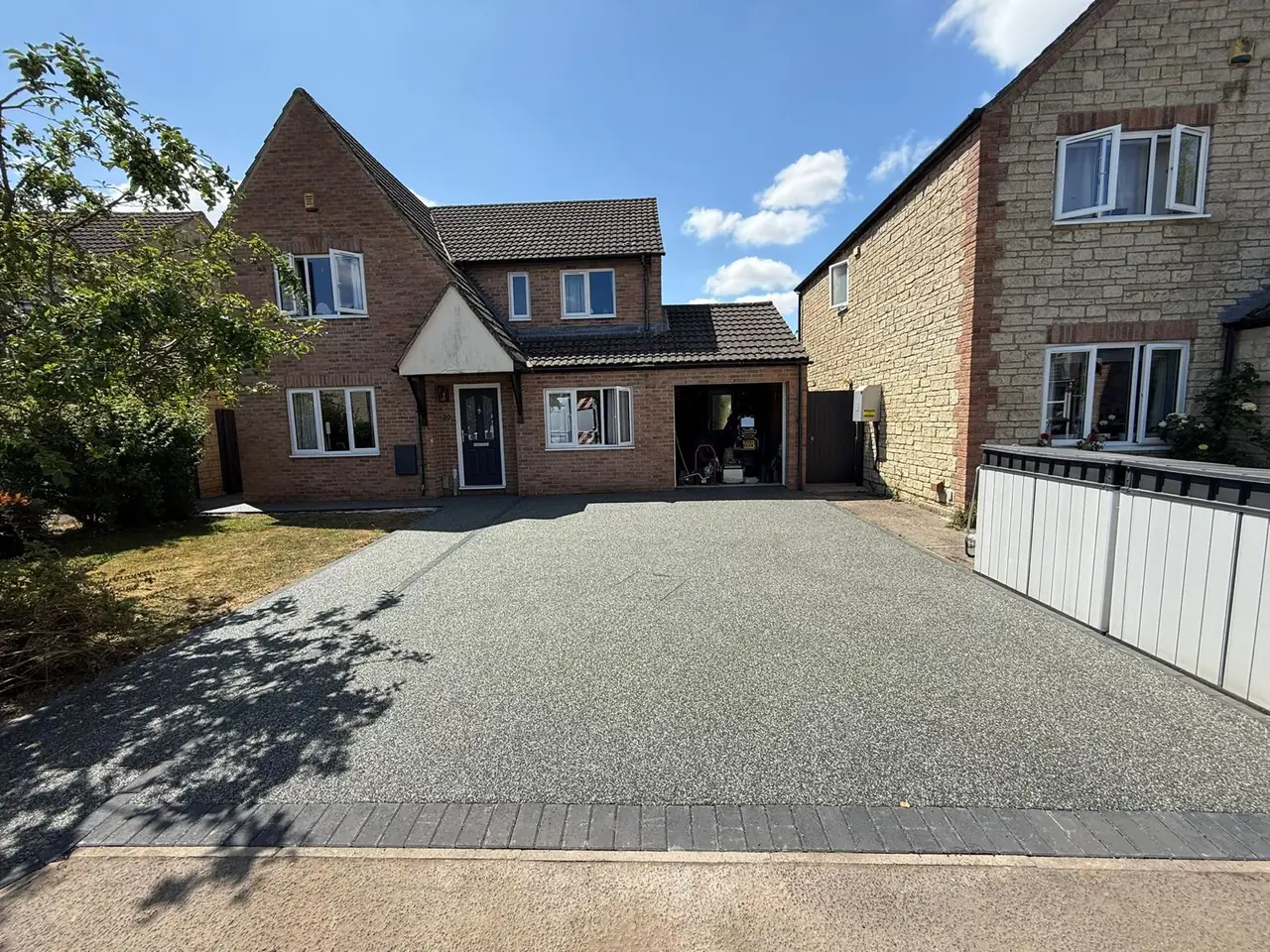
Two drives go in on the same street in the same week. One costs £900 less. Eight years later one of them has had a weekend of re-sanding every other summer, a bay lifted and relaid where the wheels turn, and a bottle of joint stabiliser bought each spring. The other has had a brush and a hose.
Neither owner thinks of that as money, because it never arrived as an invoice. It arrived as Saturdays and a £38 tub from the merchant. But add twenty years of it up and the cheaper quote stopped being cheaper somewhere around year six.
It helps to split driveway spending into three buckets. Housekeeping is the small, recurring, mostly-your-own-time cost of keeping the surface clean. Intervention is the occasional chargeable job - a patch, a relay, a drain clear. Renewal is the big one at the end, when the wearing surface has done its stretch. A resin bound driveway is built to push almost everything into that third bucket and leave the first two close to empty, which is a different proposition from a surface that is cheap on day one and drips cost thereafter.
The buckets also explain why comparisons go wrong. People compare bucket one, notice the differences are small, and conclude the surfaces are much of a muchness. Bucket one was never where the money was.
Housekeeping: What Washing And Moss Treatment Actually Cost
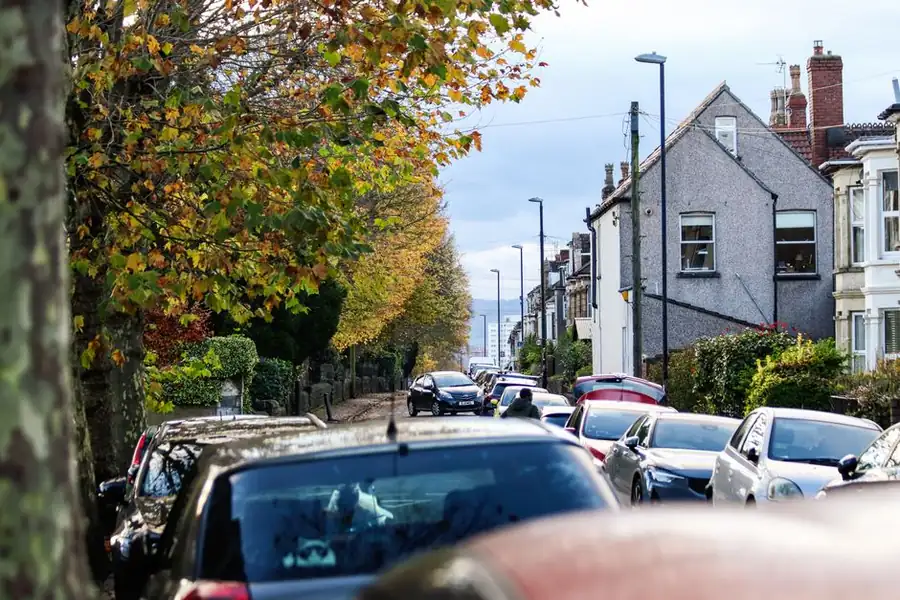
Start with the cheerful bit. Nobody has ever been bankrupted by driveway cleaning.
A resin bound surface in Swindon wants a brush and a rinse two or three times a year. Autumn is the one that matters, because wet leaf litter sitting in a north-facing corner for six weeks is how moss gets a foothold. If you are under a lime or a sycamore, make it four. The consumables are a stiff broom that lasts five or six years and mains water. A shaded corner that goes green might want a bottle of patio cleaner once a season, which is where your £12 goes.
Call it £10 to £20 a year and two to three hours of your own time. Over twenty years, somewhere around £250 and perhaps fifty hours.
Block paving on the same street wants the same brushing plus a real clean, because grime settles into joints rather than washing off a continuous surface. Most people pressure wash it every two or three years, and pressure washing block paving is not a chore you finish in an afternoon - it blasts sand out of the joints, which then need re-sanding, which is a second job. Rent a washer or buy a domestic one at £120 and replace it once in twenty years. Kiln-dried sand runs a few pounds a bag and a 40m² drive drinks several.
Tarmac sits in between and is the least demanding to clean, mostly because there is not much to clean into. Brush it, hose it, done. Its running costs arrive later and in a different form.
Rainfall is the quiet variable behind all of this. The Met Office UK climate averages put this corner of Wiltshire well below the national rainfall figure, and that shows up as less algae and longer intervals between cleans. A driveway in Cumbria really does cost more to keep looking presentable than the same driveway in Stratton St Margaret.
The Sealing Question, And Why It Belongs In This Section
Sealing is where the three surfaces separate properly, because for one of them the cost is zero and for another it recurs forever.
Resin bound does not need sealing. The resin has already coated every piece of aggregate and cured into one bound layer - there is no open joint and no exposed face for a sealer to protect. We wrote this out at length in our piece on whether resin driveways need sealing, and the short version is that if someone is telling you your guarantee depends on an annual seal, they are quoting you for block paving terms on a resin surface.
Block paving sealer is a real recurring cost for anyone who wants the colour to stay deep and the joints stabilised. Reckon on every three to five years, materials somewhere around £2 to £4 per square metre if you do it yourself, more if you do not. Over twenty years that is four or five applications. Small in any single year, and not small by the end.
Stains, Spills And The Products You Do Not Need To Buy
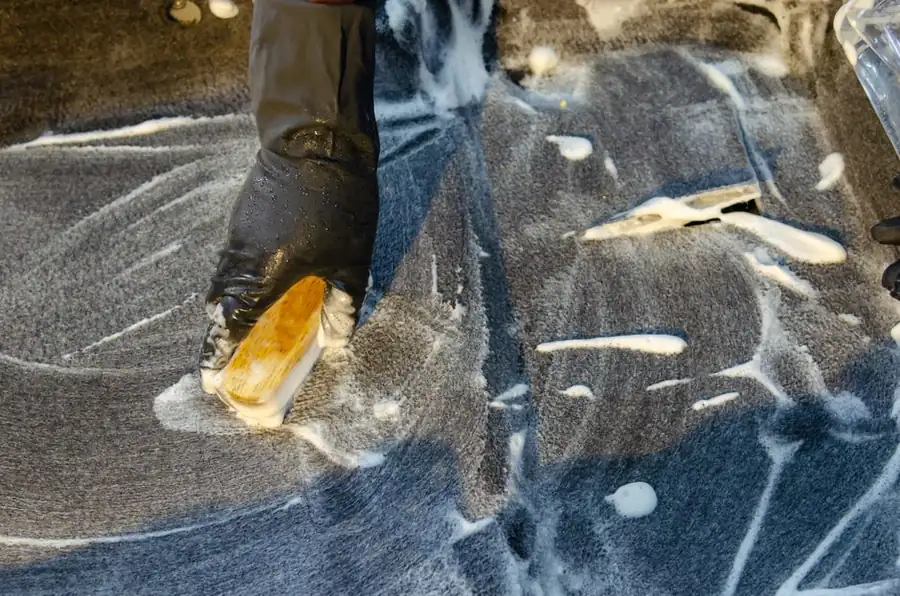
The driveway aisle of any merchant is full of products sold on fear. Most of them are solving a problem you will not have.
Oil is the honest one. Cars leak, and where a car always sits, the same square foot always catches it. On a resin bound surface fresh drips lift with absorbent granules - cat litter works and costs pennies - followed by washing-up liquid, warm water and a stiff brush. Do not wipe it, which spreads it. Total annual spend for a household with one slightly tired car: call it £5.
Dried-in oil is a different conversation, but it is a cosmetic one. It darkens the aggregate in a patch and then, over a year or two of weather and tyres, fades to something you stop noticing. It very rarely does anything structural. The only genuinely expensive version is a leak nobody deals with for months, sitting in one spot, slowly working into the binder. A £9 drip tray removes that risk entirely and is the single best value item in this entire article.
Block paving stains differently and worse. Oil soaks into concrete block rather than sitting on a cured film, so it is in the block, not on it. The fix, when there is one, is lifting the affected blocks and swapping them for spares. That is exactly why good installers leave you a box of spares, and why that box getting lost in a house move costs somebody money later. Tarmac softens where fuel and solvent sit, which is a slow structural nuisance rather than a stain.
None of this is big money in any given year. It is in here because it is the aisle where people spend the most on products they did not need.
Repairs And Patching Over Twenty Years
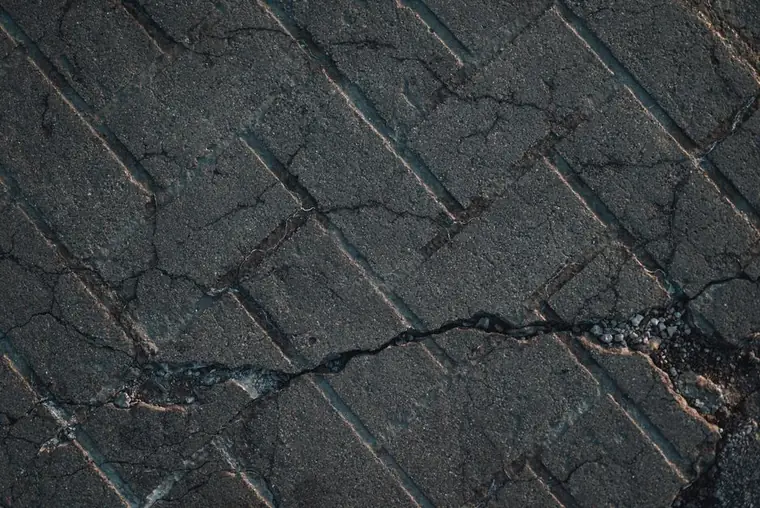
Here is where the estimates start to matter, and where Swindon’s geology stops being trivia.
A resin bound driveway on a correctly built permeable sub-base, with a geotextile membrane over clay, should not need anything structural for a very long time. What does happen, occasionally, is localised damage - a dropped paving slab, a skip leg through the surface, a scaffold foot, movement at a corner where the edge restraint was never quite right. Patch repair is a real and reasonably priced job: a small area cut out, the base checked, fresh resin and matched aggregate trowelled back in. A sensible planning figure for one modest patch is a couple of hundred pounds, and a realistic twenty year expectation for a well-built drive is one, maybe two of them.
Over on clay, the odds shift. North of the railway the ground shrinks in a dry August and swells again in February, and that cycle works on anything laid over it. This is not a resin problem specifically - it is a sub-base problem that every surface inherits - but it is the reason a Priory Vale driveway carries a slightly higher repair reserve than the same build up on the limestone. We went through the mechanism properly in our guide to the clay under Swindon and why driveways fail on it, and the practical upshot for a budget is: assume one intervention rather than none.
Block paving repairs are cheaper individually and more frequent. Sinking is the standard failure - a dip where the wheels always track, or a settled strip over a backfilled service trench. Lifting, rescreeding and relaying a few square metres is a half-day job, and on a twenty year horizon most block drives have two or three of them. Blocks also chip, and the replacement never quite matches after fifteen years of weathering.
Tarmac patching is the cheapest per event and by far the most visible. A patch on tarmac is permanently a patch - different age, different oxidation state, different colour - and once one appears, others usually follow, because the crack that caused it rarely came alone.
Worth knowing where you stand if something fails early: workmanship obligations on installed surfacing sit under Chapter 4 of the Consumer Rights Act 2015, which covers services supplied to consumers. A defect traced to how the job was built is not a maintenance cost at all. It is a repair somebody else owes you.
Edges, Drainage And The Bits Nobody Budgets For
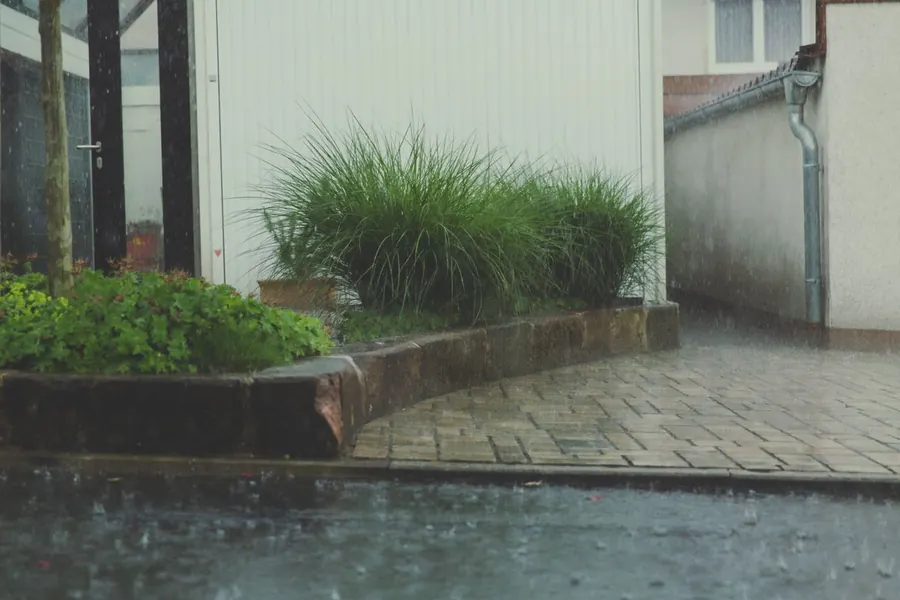
This is the category that catches people out, because it is not really about the driveway surface at all.
Edge restraints are what stop any bound or laid surface unravelling from the outside in. Aluminium edging pinned and haunched, or block paving on a concrete haunch, takes the load where the wheels turn at the pavement end. It also takes the abuse - a reversing van, a delivery lorry clipping the corner. Re-haunching a metre or two of dislodged edging is a small job and an occasional one, but on a twenty year view it is not never.
Drainage is the sleeper cost. A permeable resin surface over open-graded stone mostly looks after itself, because water goes straight down rather than running anywhere. Where a drive needs a linear channel at the threshold - sloping towards the house, or a clay subgrade with poor percolation - that channel needs clearing. Lift the grate, pull out the silt and leaf mulch, a couple of times a year. Free if you do it, an hour of someone’s time if you do not. Leave it and the day it matters is the day the water goes under your door instead.
The gully in the road outside is not yours, and that is worth knowing before you spend money on it. Highway gullies are the council’s, and a blocked or damaged one causing standing water at the end of your drive is something Swindon Borough Council will come out to - there is a route to report a damaged or missing drain cover on their site. Plenty of homeowners pay a drainage firm for something that was never on their side of the boundary.
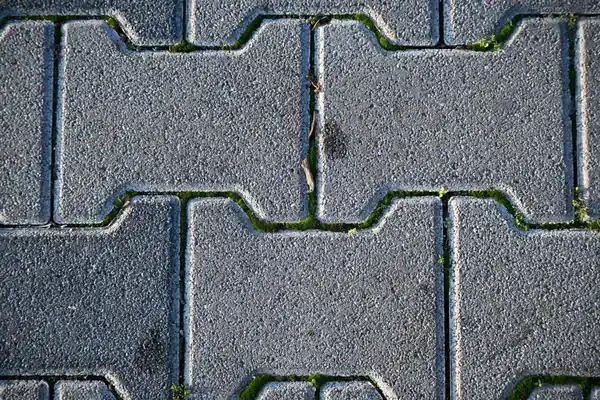
Block paving adds one more line here that the others do not have: the joints themselves are a drainage system. Once sand washes out and silt washes in, water stops going down through them and starts running across the surface instead, which is how a permeable drive quietly becomes an impermeable one. Re-sanding is not cosmetic. It is drainage maintenance with a cosmetic side effect.
The Twenty Year Renewal: Overlay, Relay Or Dig Out
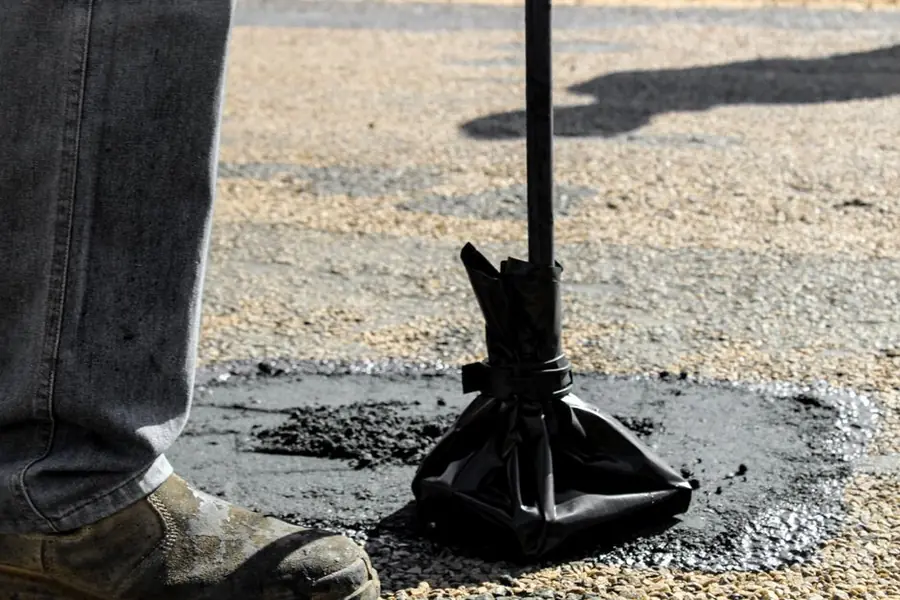
Everything above is rounding error next to this one. The year the surface needs renewing is the number that decides the whole comparison, and it is the number people never ask about.
Tarmac goes first. It oxidises - the bitumen binder hardens and greys under UV, the surface gets brittle, and small cracks become the entry route for water and then frost. Fifteen years is a fair working life for a domestic tarmac drive that has been left alone, and a resurface means planing off and relaying the wearing course. It is the cheapest of the three renewals per square metre, and it is the one you meet soonest and then meet again.
Block paving is the most forgiving in one specific way: it is modular. You are never obliged to renew all of it. Sunken areas get lifted and relaid, damaged blocks get swapped, and a tired drive can be pressure washed and re-sanded back to something respectable. The trade-off is that this is a slow drip of jobs across the two decades rather than one event, and by year twenty a lot of block drives have had enough cumulative attention to have paid for a resurface anyway.
Resin bound works differently again, and it all comes down to what the surface is laid on. The 18mm of bound aggregate is a wearing layer over a structural sub-base. If that sub-base is sound - properly dug, properly compacted, membrane in, correct stone - then renewal at the far end can be an overlay rather than an excavation. The old surface gets prepared and a fresh layer goes on top of a structure you already paid for once. Much cheaper than digging out and starting again, and about the strongest financial argument there is for spending money on groundwork nobody will ever see.
Which tells you where the renewal cost of any of these is actually decided. Not on the day the surface wears out. On the day the sub-base went in.
Putting The Three Columns Side By Side

Here is the whole thing on one page, for a notional 40m² Swindon front drive over twenty years. Every figure is an estimate based on the work we quote and the driveways we go back to. They are not survey data, they will not match your drive exactly, and the sub-base under any of them can move the totals more than the surface choice does.
| Twenty year running cost | Resin bound | Block paving | Tarmac |
|---|---|---|---|
| Cleaning consumables and kit | £200 - £350 | £400 - £700 | £150 - £250 |
| Sealing / joint stabilising | £0 | £600 - £1,400 | £0 - £400 |
| Re-sanding joints | £0 | £150 - £350 | £0 |
| Repairs and patching | £200 - £500 | £600 - £1,600 | £400 - £1,000 |
| Edge and drainage upkeep | £100 - £300 | £150 - £400 | £100 - £300 |
| Renewal event in the 20 years | Overlay, often not yet due | Partial relays, ongoing | Usually one resurface |
| Your own hours across 20 years | 40 - 60 | 150 - 250 | 40 - 80 |
The cash gaps are smaller than most people expect. The time gaps are enormous. Resin against block paving in pounds is a real difference but not a dramatic one; in weekends it is a factor of three or four, and for plenty of households that bottom row is the one that actually decides it.
The sealing row is doing a lot of work in that table, and it is fair to point out that many block paving owners simply never seal. Strip the row out and the columns move a long way towards each other, at the cost of the drive looking its age sooner. That is a legitimate choice rather than a mistake, just one with a visible consequence.
Renewal is the row to be most careful with, because it is a timing question dressed up as a cost. Tarmac’s resurface lands inside the twenty years. The other two mostly do not. Push the window out to thirty and the whole table rearranges itself, which is why the honest version of this comparison is always a range and a caveat rather than a headline figure.
What Actually Moves Your Number
Four things do nearly all of the moving on your own twenty year figure, and only one of them is the surface you picked.
What is underneath comes first and matters most. Excavation depth, compaction, the geotextile membrane on clay, the right open-graded stone rather than MOT Type 1 under a permeable build. Every running cost in this article gets bigger when the base is thin, because a driveway that settles generates repairs forever.
Then where the water goes. A surface that sheds into a clear route costs nothing to drain, and one that ponds gives you algae, frost damage and eventually a drainage job. If standing water is a recurring feature of your whole street rather than your drive, the council is the right first call, not a contractor.
Aspect and trees decide your hours rather than your pounds. A north-facing drive under a mature lime will always want more brushing than a south-facing one in the open, and no choice of surface changes that.
Last, the edges. Edge failure is the cheapest thing to get right at build stage and one of the more irritating to sort out afterwards, whatever the drive is made of. First place to look on a quote. First place to look on a fifteen year old drive.
Three of those four are settled before anyone picks a material, which says something about where the attention belongs when you are comparing quotes.
Want a straight answer about what your drive will cost to keep, not just to lay? Get a free quote in Swindon and we will walk the ground, tell you what is under it, and be honest about which of these numbers apply to you.
Frequently Asked Questions
How much does a resin driveway cost to maintain each year?
For most Swindon households the honest answer is close to nothing in cash terms. A stiff broom lasts years, the water comes out of a hose you already own, and a bottle of patio cleaner for the shaded corner might get used once a season. If you budget £10 to £20 a year for consumables and a couple of hours of your own time, you have covered it. The costs that actually matter over twenty years are not the annual ones - they are the occasional patch repair and, eventually, the decision about whether to overlay. These are estimates based on the driveways we install and revisit, not survey figures.
Does a resin driveway need sealing, and what does that cost?
A properly laid resin bound surface does not need sealing. The resin already coats every stone and cures into a single bound layer, so there is no porous joint or exposed face for a sealer to protect. Some installers offer one, and on a driveway that gets very heavy oil exposure it can make cleaning slightly easier, but it is a preference rather than a requirement. Anyone telling you the guarantee depends on annual sealing is describing block paving or a resin bonded surface, not resin bound.
Is block paving more expensive to run than resin over twenty years?
On our experience of the driveways we are asked to overlay, yes, though the gap is in labour and hassle as much as cash. Block paving has joints, and joints need kiln-dried sand topping up, weeding and occasional resealing. Individual blocks sink where a wheel always turns or where a service trench was backfilled, and lifting and relaying a sunken area is a chargeable job. None of those line items exist on a jointless surface. If you do the work yourself the cash difference is modest; if you pay someone, it adds up.
What is the biggest single running cost of any driveway?
The eventual resurface, by a very long way. Everything else is pocket change next to it, which is why the year it falls is the number that decides the whole comparison. Tarmac generally needs a resurface soonest, block paving can be lifted and relaid in sections rather than wholesale, and resin bound over a sound sub-base can often be overlaid rather than dug out. The sub-base is what determines all of this - if the ground underneath is right, you are only ever replacing a wearing surface.
Do oil stains on a resin driveway cost money to deal with?
Rarely. Fresh drips come up with absorbent granules and washing-up liquid, both of which cost a few pounds. Older dried-in oil is a cosmetic issue rather than a structural one and usually fades under weather and foot traffic. The expensive scenario is a persistent leak left for months in the same spot, which can eventually soften the binder locally and need a small patch. Put a drip tray under a known leak and you will never meet that cost.
Do these running cost figures apply to driveways outside Swindon?
The broad shape of them does, but the ground underneath changes the numbers more than the postcode does. Swindon is unusual in being split between the limestone on the Old Town ridge and the clay through the northern expansion, and a driveway on shrink-swell clay will see more settlement-related repair over twenty years than an identical one laid a mile away on firmer ground. Rainfall matters too - Swindon is drier than the national average, which slows moss down and stretches the interval between proper cleans.