
18 August 2026
The Clay Under Swindon: Why Driveways Fail Here (And What Survives)
Ever wondered why so many Swindon driveways look tired before their time? Cracked concrete on the older estates, block paving with dips where the car sits, tarmac crumbling at the edges - and often on houses that aren’t even that old. It’s not bad luck, and it’s usually not bad workmanship either. It’s what’s underneath. Swindon is built almost entirely on heavy clay, some of the most demanding ground in the country to lay a hard surface over, and that single geological fact quietly decides which driveways last here and which fail. Once you understand what the clay is doing under your feet, an awful lot about the town’s driveways, gardens and even its insurance premiums starts to make sense. Here’s the story of the ground under Swindon - and what actually survives on it.
What’s Actually Under The Town
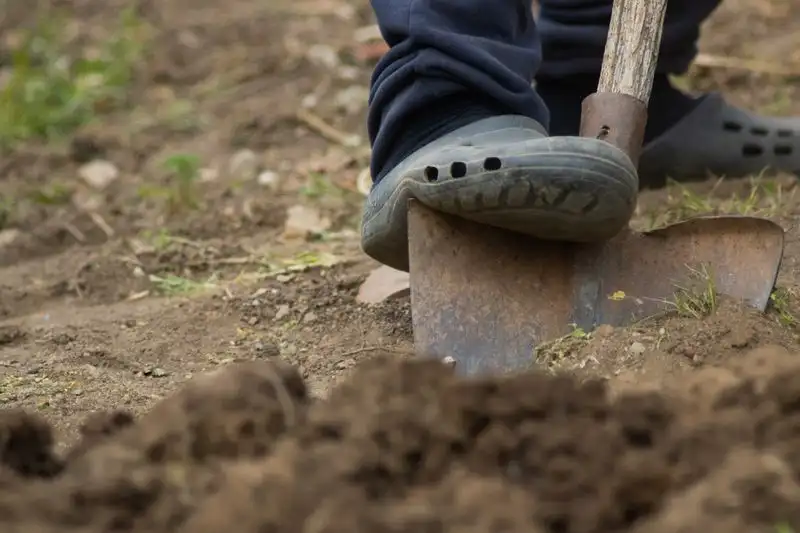
Scrape back the topsoil almost anywhere in Swindon and you hit the same thing: dense, heavy clay, mostly the Oxford Clay and Kimmeridge Clay laid down around 150 million years ago when this whole area sat beneath a shallow sea. It’s the same clay that fed the brickworks that helped build the town - and the same clay that’s been wrecking its driveways ever since.
The residential map of Swindon sits almost entirely on it. Stratton, Park North and Park South, Walcot, Liden, Covingham, Toothill, Freshbrook, and the newer estates at Wichelstowe and Badbury Park - clay under all of them, varying in depth but rarely absent. Dig a fence post hole in most of these areas and you’ll find the orange-brown, sticky stuff within a spade’s depth or two. Head south of the town, up towards Chiseldon and the Marlborough Downs, and the ground changes to free-draining chalk - which is why village driveways out that way behave differently from the ones in town.
None of this is a problem for a field. It becomes a problem the moment you lay something hard and rigid on top of it, because this particular clay doesn’t stay still.
The Shrink-Swell Cycle: Ground That Breathes
Clay’s defining habit is what engineers call shrink-swell behaviour, and it’s worth picturing properly, because it’s the villain of this whole story.
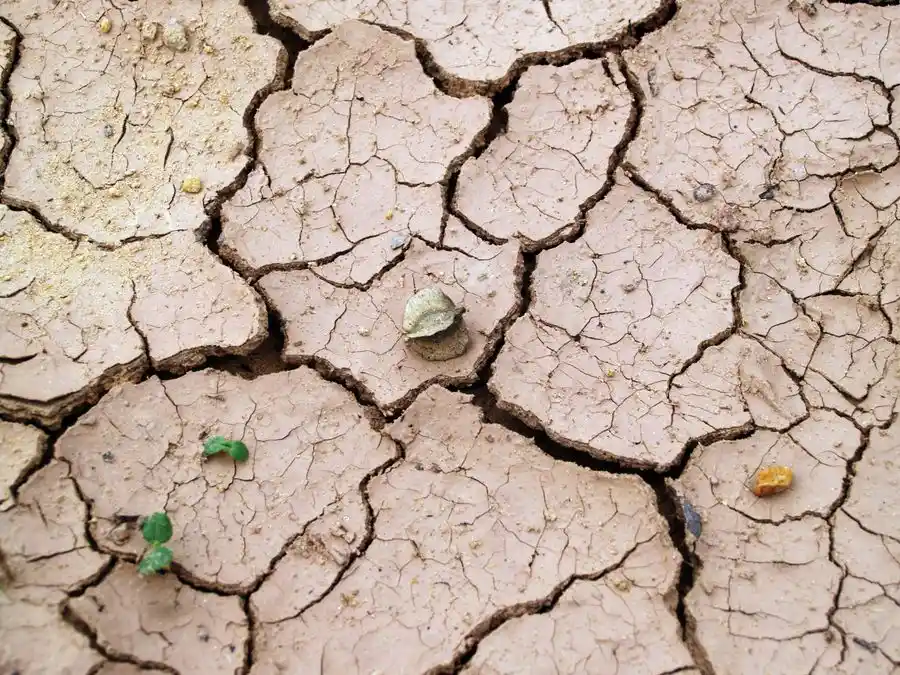
Clay particles are microscopically fine and hold water between them. Through a wet Swindon winter, the clay drinks in rainfall and swells - the ground literally rises, by small but real amounts. Through a dry summer, the water evaporates out, the clay shrinks, and the ground drops and cracks. You’ve seen the summer version in any parched lawn or flowerbed: that network of cracks in the surface is the clay contracting. The same thing is happening under your driveway, invisibly, twice a year, every year.
The movement itself is only part of it. It’s uneven - the clay near a tree dries faster because roots pull moisture out; the corner near a leaking gutter stays swollen; the strip under a parked car is shielded from rain. So different parts of the ground rise and fall by different amounts at different times. Anything rigid spanning across that - a concrete slab, a run of block paving, a garden wall - is being gently levered, twisted and dropped, season after season. Most materials lose that fight eventually. That’s also why shrink-swell clay is the leading cause of subsidence claims in the UK: houses get deep foundations to cope with it, but driveways sit right in the movement zone.
How The Clay Kills Each Surface
Walk any of Swindon’s older residential streets and you can read the clay’s work in the driveways, once you know what you’re looking at.
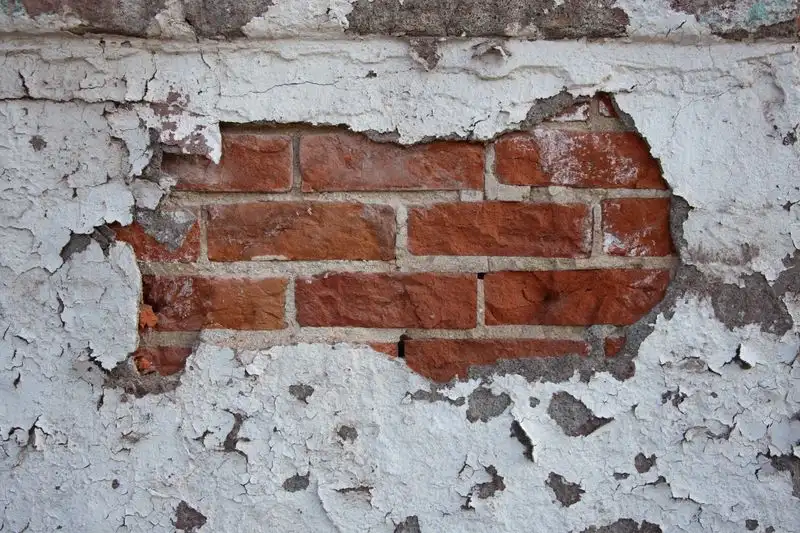
Concrete goes first at its weak points. A rigid slab has no give at all, so when the clay heaves unevenly beneath it, the stress finds a corner or a thin spot and cracks it - then winter water gets into the crack, freezes, and levers it wider each year. Block paving fails more gradually and more visibly: individual blocks follow the ground under them, so you get dips where the car’s wheels sit, ripples across the surface, and lips between blocks that catch your toe. Tarmac sits somewhere in between - it flexes a little, but clay movement plus trapped water breaks up its edges and opens cracks that spread.
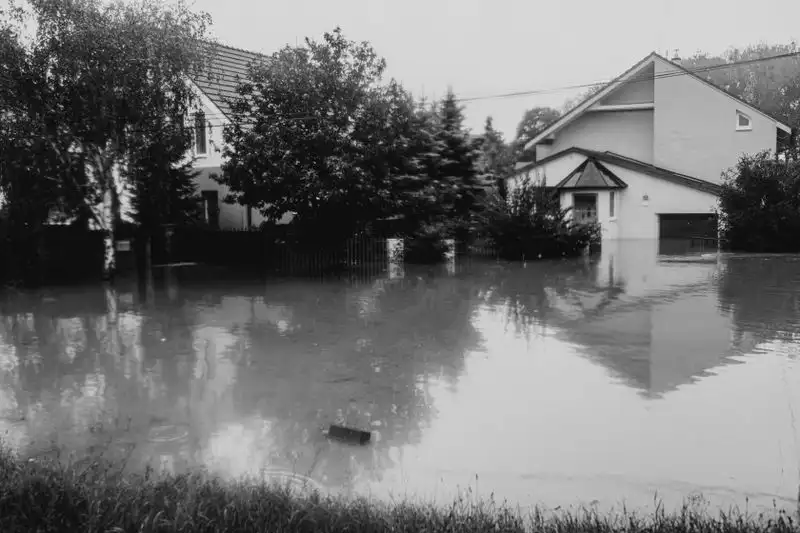
And the clay has an accomplice: water. Because clay drains so slowly, rain that lands on an impermeable surface has nowhere to go. It pools on top, runs to the edges, or sits underneath - swelling the clay further and freezing in winter. Poor drainage and ground movement feed each other, which is why a driveway problem on Swindon clay is rarely just one thing. Our guide to common resin driveway problems shows how often the trail leads back to this same combination.
The Tell-Tale Signs On Your Own Property
If you want to see whether the clay is at work on your plot, the evidence is usually hiding in plain sight.
Look for cracks in the driveway that open in summer and seem to close up a little in winter - that’s the shrink-swell cycle moving beneath them. Dips in block paving where vehicles park, or a gate that binds in winter and swings free in summer, tell the same story. Garden walls with stepped cracking along the mortar lines, paths that have tilted towards a big tree, lawns that crack in a dry July: all clay signatures. Even standing water that lingers on the lawn days after rain is the clay refusing to drain.
None of these automatically means trouble for your house - modern foundations are designed for this ground, and driveways, paths and walls sit far shallower, which is why they show the movement first. But they do tell you what any new surface you lay is going to have to live with. A driveway installer who quotes for a Swindon job without acknowledging any of this is either not local or not looking. Our post on signs your driveway needs replacing covers when the damage has gone past cosmetic.
What Actually Survives On Swindon Clay
So what does last on this ground? The answer has two halves, and the invisible half matters more.
The visible half is the surface. The ones that cope with clay share two traits: they let water through instead of trapping it, and they tolerate small movements instead of fighting them rigidly. This is why resin bound surfacing has done so well in Swindon specifically - it’s fully permeable, so rain drains through and keeps the clay beneath drier and calmer, and the bound surface over a flexible build-up absorbs minor movement that would crack a rigid slab. Loose gravel also technically survives clay, though it brings its own maintenance headaches.
The invisible half is the sub-base, and on clay it’s the whole game. A deep, properly compacted layer of permeable stone - typically 100-150mm - does two jobs at once: it spreads loads, and it absorbs the clay’s seasonal movement so it never reaches the surface. Skimp on that layer and the best surface in the world fails anyway; build it right and even Swindon’s ground is perfectly manageable. It’s the reason we bang on about groundwork in almost everything we write - on this clay, our guide to how thick a resin driveway should be isn’t technical trivia, it’s the difference between a 25-year driveway and a 5-year one.
Living With The Clay
Here’s the reframe worth taking away: Swindon’s clay isn’t a defect to be cursed, it’s simply a condition to design for - and the town’s driveway failures are mostly failures to respect it.
The clay explains so much of what you see around town: why the older estates are full of cracked concrete drives, why cheap quotes fail fast here, why the same block paving that lasts decades on Salisbury’s chalk sinks within years in Walcot, and why permeable surfaces have steadily taken over Swindon’s front gardens. It also explains why the honest answer to “which installer should I use?” is always the one who talks about the ground before the surface. Anyone can trowel resin; understanding what Swindon’s clay will do to it over twenty winters is the actual skill.
If your driveway is showing the clay’s handiwork - cracks, dips, standing water - or you’re planning a new surface and want it built for the ground it’ll actually sit on, get in touch for a free site visit. We’ll look at what the clay is doing on your plot and spec a driveway that works with it, not against it.
Frequently Asked Questions
What type of soil is Swindon built on?
Most of Swindon sits on heavy clay - largely Oxford Clay and Kimmeridge Clay, laid down when the area was a shallow sea. It's classic shrink-swell ground: it absorbs water and expands in wet weather, then dries and contracts in summer. That seasonal movement is why the town's older driveways, paths and even some walls show cracking and settlement. The chalk downs start south of the town, around Chiseldon and the Marlborough Downs, where the ground behaves very differently.
Why do driveways crack in Swindon?
Because the clay beneath them moves with the seasons - swelling in wet winters and shrinking in dry summers - and rigid surfaces can't follow it. Concrete cracks, block paving settles unevenly, and tarmac breaks up at the edges. The movement is worse where drainage is poor, because trapped water swells the clay further and freezes in winter. A driveway on Swindon clay needs a deep, well-compacted, permeable sub-base to absorb the movement before it reaches the surface.
Which driveway surface is best for clay soil?
Permeable, slightly flexible surfaces over a properly built sub-base handle clay best - which is why resin bound surfacing performs so well on Swindon's ground. Water drains through rather than sitting on or under the surface, keeping the clay drier and more stable, and the surface tolerates minor movement without cracking the way rigid concrete does. The sub-base matters as much as the surface: 100-150mm of compacted permeable stone is what actually manages the clay's movement.
Does clay soil affect house foundations as well as driveways?
Yes - shrink-swell clay is the main cause of subsidence in the UK, and insurers treat clay areas as higher risk, particularly where large trees dry the ground out near foundations. Modern homes in Swindon are built with foundations designed for the clay, so serious problems are uncommon. Driveways, paths and garden walls are built much shallower than houses, which is exactly why they show the clay's movement first - they're the canary in the coal mine.