
31 August 2026
Resin Driveway Guarantees In Swindon: What They Really Cover
Two quotes are sitting on your kitchen table. Both are for the same driveway, both say “fully guaranteed”, and they’re £900 apart. The word “guaranteed” on a quote tells you almost nothing until you know what’s guaranteed, by whom, for how long, and what’s been quietly excluded. Around Swindon we’ve priced against firms offering “lifetime” cover from companies younger than the phones they answer on, and we’ve seen genuine 10-year paperwork honoured without a quibble seven years in. This post takes a resin driveway guarantee apart piece by piece - the workmanship side, the supplier side, the exclusions, and the one clause that matters more on Swindon’s ground than almost anywhere else - so the next quote you read makes sense.
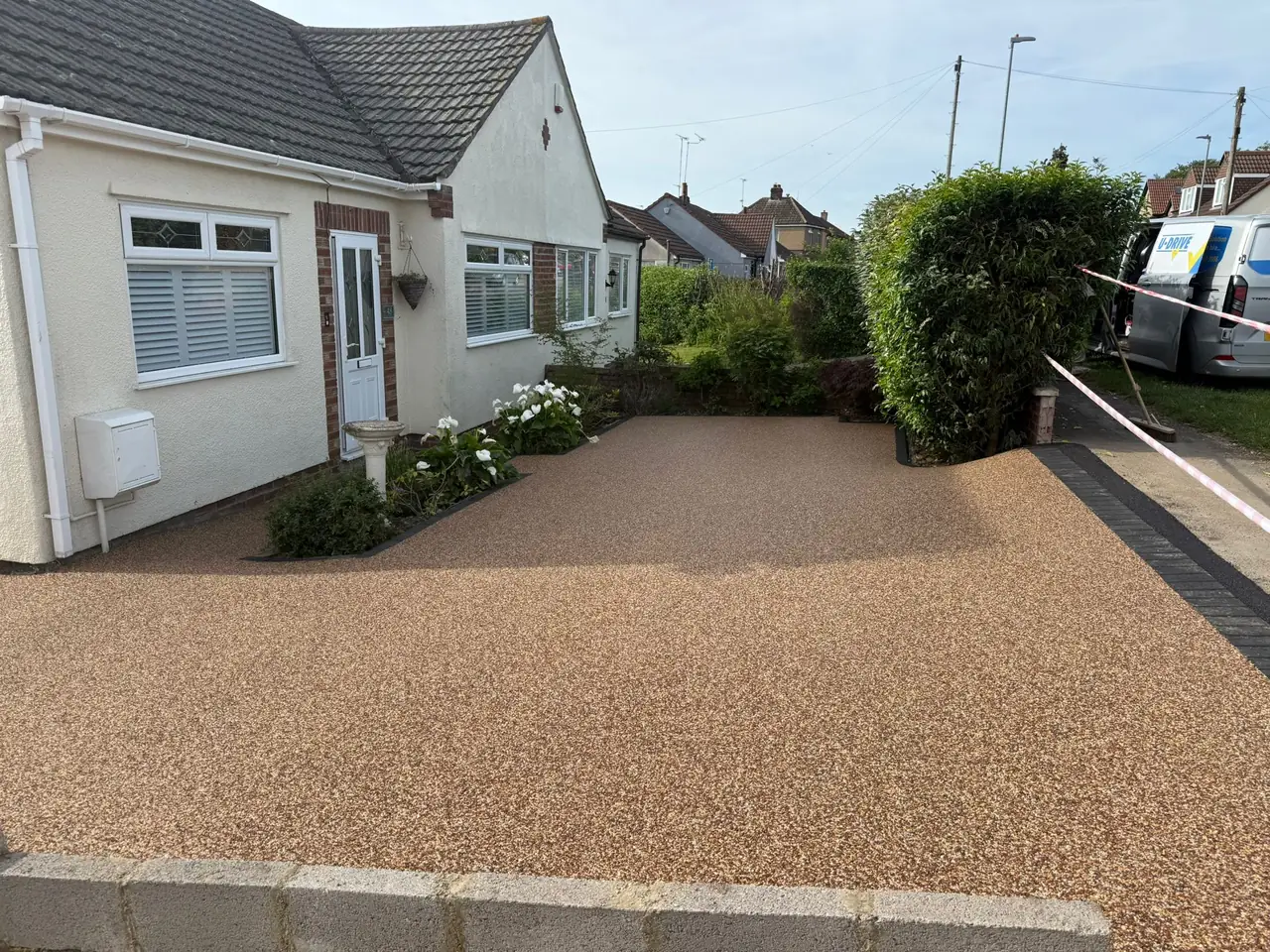
Every Resin Driveway Comes With Two Guarantees, Not One
The first thing to untangle is that a properly documented resin bound driveway carries two entirely separate promises, made by two different parties, covering two different kinds of failure.
The workmanship guarantee comes from the installer. It covers the things human hands got right or wrong on the day: the excavation, the sub-base, the falls, the edging, the mixing, the trowelling. At RPS that’s a 10-year commitment.
The supplier’s guarantee comes from the company that manufactured the resin. It covers the material itself - the chemistry, essentially - and typically runs longer, 15 years in our case, because the manufacturer is vouching only for the product performing as designed when installed to their specification.
Why does the split matter? Because when something goes wrong, the first question is always which promise it falls under. A driveway that sinks near the gate is a workmanship matter. A surface that yellows evenly in sunlight is a material matter. An installer who can’t tell you which guarantee covers which failure - or who waves one number at you as if it covers everything - hasn’t understood the paperwork they’re handing over.
What A Workmanship Guarantee Covers On A Swindon Driveway

The workmanship guarantee is the one that earns its keep, because the overwhelming majority of resin driveway failures are built in on installation day. It should cover, in writing:
Sinking and settlement. If sections of the drive drop because the sub-base wasn’t compacted properly or the excavation didn’t go deep enough, that’s squarely a workmanship failure. This is the big one, and it’s why the guarantee document should state the sub-base specification - depth, material, compaction - rather than just promising an outcome.
Cracking that traces back to the build. Resin bound surfacing has a little flex in it, but it can’t bridge a base that was wrong from the start. Cracks radiating from poorly prepared ground, or along a joint where two days’ work met badly, belong to the installer.
Loose or shedding stone. If patches of aggregate come away underfoot or under tyres in the first years, the mix was wrong - too little binder, laid too cold, or over-trowelled. A correctly mixed surface loses the odd stone and no more.
Standing water where falls were promised. If the quote specified drainage falls and the finished drive holds puddles, the guarantee is your route to getting it corrected.
What you’re looking for in the document is specificity. “We guarantee our workmanship for 10 years” is a start. “We guarantee the surface against sinking, cracking and stone loss arising from installation for 10 years” is a commitment someone expects to be held to.
The Supplier’s Guarantee: What The Manufacturer Promises

The material side of the deal covers the resin binder doing its job for the stated period: holding the stone together, staying UV-stable, not becoming brittle or breaking down under normal weather. Fifteen years is a common term from the established UK suppliers, and it reflects genuine confidence - aliphatic UV-stable resins have been in service long enough for the manufacturers to know how they age.
There are two catches worth understanding.
First, the supplier’s guarantee is conditional on their product being installed correctly - right mix ratios, right depth, right temperature range, often by an installer they’ve approved. Botch the installation and the material guarantee usually evaporates along with the workmanship one. The two documents lean on each other, which is another reason to use an installer with a real relationship with their supplier rather than whoever had a pallet of resin in the van.
Second, it covers the material, not the appearance in every respect. Some early colour mellowing is normal as any surface weathers, and a supplier guarantee is aimed at failure - binder breakdown, widespread stone release - not at the drive looking three years old when it’s three years old.
Ask your installer which resin system they use and whether the manufacturer’s guarantee will be registered in your name. If the answer is a brand you can look up, with paperwork to follow, you’re dealing with the right kind of firm.
What Neither Guarantee Will Pay For
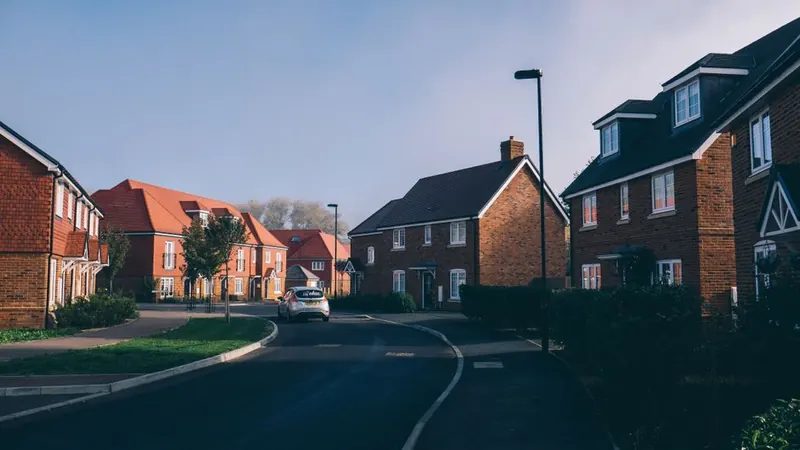
Every guarantee has an exclusions list, and reading it is more informative than reading the promises. The standard exclusions are all variations on one theme: damage done to the driveway rather than failure within it.
Third parties digging through it sit at the top of the list. If a water company excavates a section to reach a leaking main, the reinstatement is their responsibility, not your installer’s - though it’s worth knowing a resin surface can be patch-repaired far less visibly than most people expect.
Point loads and impacts come next: skip lorries, scaffolding poles without pads, a caravan jack wound down straight onto the surface. Resin bound surfacing is designed for cars doing car things, and the guarantee assumes exactly that.
Then there’s chemistry and neglect - fuel or oil spills left to sit, harsh solvents, pressure washing at close range with a jet nozzle. And finally the curing period: drive on the surface before the installer says it’s ready and any consequent marks are yours.
None of this should alarm you. A specific, honest exclusions list is the mark of a company that intends to honour everything outside it. The document to be wary of is the one so vague that anything could be argued out of scope.
The Clause That Matters Most On Swindon’s Clay
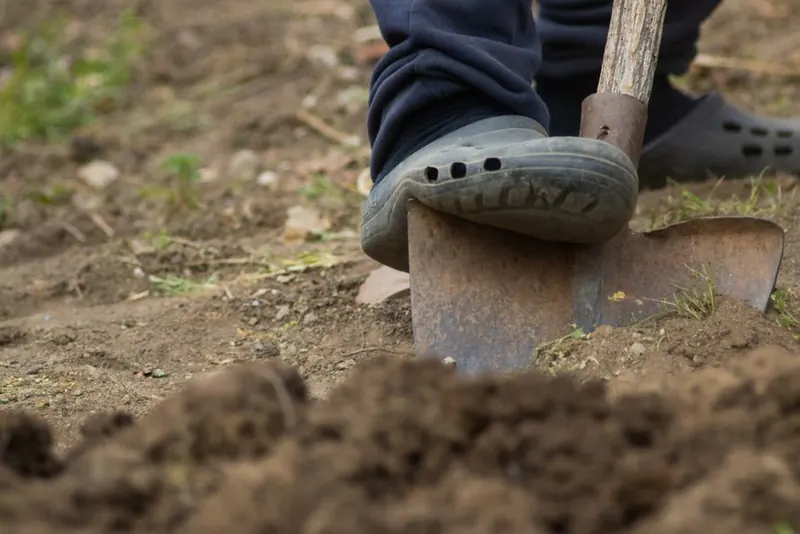
Here’s the local part, and it’s not a small detail. Most of Swindon sits on shrink-swell clay - ground that swells when wet and shrinks as it dries, moving season after season. We’ve written before about what that clay does to driveways, and the short version is that it punishes any surface built on an inadequate base.
That has a direct consequence for guarantees. A workmanship guarantee is only as good as the sub-base specification behind it, and on clay the specification has to be right: enough excavation to get below the worst of the seasonal movement zone, a properly compacted Type 3 or equivalent open-graded base, and edge restraints that hold the whole assembly together while the ground breathes underneath it.
So when you compare quotes in Swindon, don’t compare the guarantee lengths first. Compare the sub-base specifications the guarantees are attached to. A 15-year promise sitting on 100mm of loosely compacted scalpings over untouched clay is worth less than a 10-year promise sitting on a properly engineered base, because the first driveway will be making claims within five years and the second probably never will. Based on the enquiries that reach us about other firms’ work, the pattern is consistent: it’s almost never the resin that fails on Swindon’s clay, it’s what someone didn’t do underneath it.
A quote that specifies excavation depth and base build-up in millimetres is showing you its working. A quote that just says “includes full preparation” is asking you to take the most important part of the job on faith.
When The Installer Disappears: Insurance-Backed Guarantees

An awkward truth about any long guarantee: it’s a promise from a company, and it lasts exactly as long as the company does. Driveway firms come and go, and a 10-year guarantee from a business that folds in year three protects nobody.
There are two layers of protection worth knowing about. The first is statutory and exists whether or not anyone gives you a certificate: under the Consumer Rights Act 2015, work must be carried out with reasonable care and skill, and Which? explains those rights in plain terms. Those rights are against the installer, though, so they share the same weakness - they’re only useful while there’s a company to claim against.
The second layer is an insurance-backed guarantee, a separate policy that steps in to fund remedial work if the original firm has ceased trading. Schemes connected to TrustMark, the government-endorsed quality scheme, commonly include this. On a job costing several thousand pounds with a decade-long promise attached, it’s a fair question to put to any installer: what happens to my guarantee if you’re not here?
And if you do end up in a dispute over work already done, Citizens Advice’s guidance on problems with home improvements sets out the escalation route step by step.
Questions Worth Asking Before You Sign Anything

Pull the threads of this post together and you get a short interrogation that separates serious installers from optimistic ones. We’ve covered the broader vetting process in our guide to choosing a resin driveway installer in Swindon; on the guarantee specifically, ask these:
Is the workmanship guarantee separate from the supplier’s guarantee, and can I see both in writing before I pay a deposit? What exactly does each cover, and what’s excluded? What sub-base specification is the guarantee attached to - in millimetres, on paper? Which resin system are you using, and will the manufacturer’s guarantee be registered to me? Is the guarantee transferable if I sell the house? And what happens to it if your company stops trading?
A good installer answers all six without flinching, because they’ve heard them before and the paperwork already exists. Hesitation, vagueness, or a laminated card that says “20 Year Guarantee” and nothing else - those are your cue to keep looking.
If you’d like to see what our answers look like, we’ll happily walk you through the 10-year workmanship and 15-year supplier guarantee documents at the site visit, before there’s any pressure to decide. Get a free quote in Swindon and read the paperwork at your own kitchen table.
Frequently Asked Questions
How long should a resin driveway guarantee last in Swindon?
Expect two separate figures. The workmanship guarantee, covering how the driveway was built, typically runs 5 to 10 years from a reputable installer - RPS Resin Driveways offers 10. The supplier's guarantee on the resin itself usually runs longer, often 15 years, because the manufacturer is only vouching for the material behaving as designed, not for anything done on site. A single vague promise of 'guaranteed for 20 years' with no split between the two is a sign the installer hasn't read their own paperwork.
Is a resin driveway guarantee transferable if I sell my house?
Sometimes, and it's worth finding out before you sign rather than when your buyer's solicitor asks. Some workmanship guarantees are tied to the property and pass automatically to the new owner; others are personal to whoever paid the invoice and end when the house changes hands. Supplier guarantees usually stay with the surface. If you're likely to move within the guarantee period, ask the installer to confirm transferability in writing - it's a genuine selling point when the time comes.
What voids a resin driveway guarantee?
The usual culprits: utility companies or builders digging through the surface, skips and scaffolding poles dropped on it, oil or fuel left to soak in rather than cleaned off, pressure washing at full blast from close range, and driving on it before the curing period is up. None of these are installation defects, so no guarantee covers them. Read the exclusions list before signing - a well-written one is specific about what's out, which tells you the installer expects to honour what's in.
What is an insurance-backed guarantee and do I need one?
A standard workmanship guarantee is a promise from the company - and if the company stops trading, the promise stops with it. An insurance-backed guarantee (IBG) is a separate policy, usually costing a small percentage of the job, that pays for remedial work even if the original installer has gone. On a purchase of several thousand pounds with a 10-year horizon, it's worth asking whether one is available. Schemes endorsed by TrustMark often include this protection as standard.