
24 August 2026
Resin Vs Gravel Driveways In Swindon: What Five Years Does To Each
Ask two Swindon homeowners what they think of gravel drives and you will get two flatly opposed answers, and both of them will be right. The person who laid theirs last spring loves it. The person who laid theirs in 2019 is sweeping stone off the pavement on a Sunday morning and quietly pricing up alternatives. Gravel is one of the few driveway surfaces where your opinion depends almost entirely on how long you have had it. That makes the usual side-by-side comparison table fairly useless, because it photographs both surfaces on day one, when gravel is winning. What follows is the honest version: the same two drives, five years apart. The RHS Greening Grey Britain research puts a quarter of front gardens in this country as now completely paved over, with more than 4.5 million containing no plants at all, and a decent share of those are gravel. It is a well-trodden decision - it is just rarely written up with the clock running.
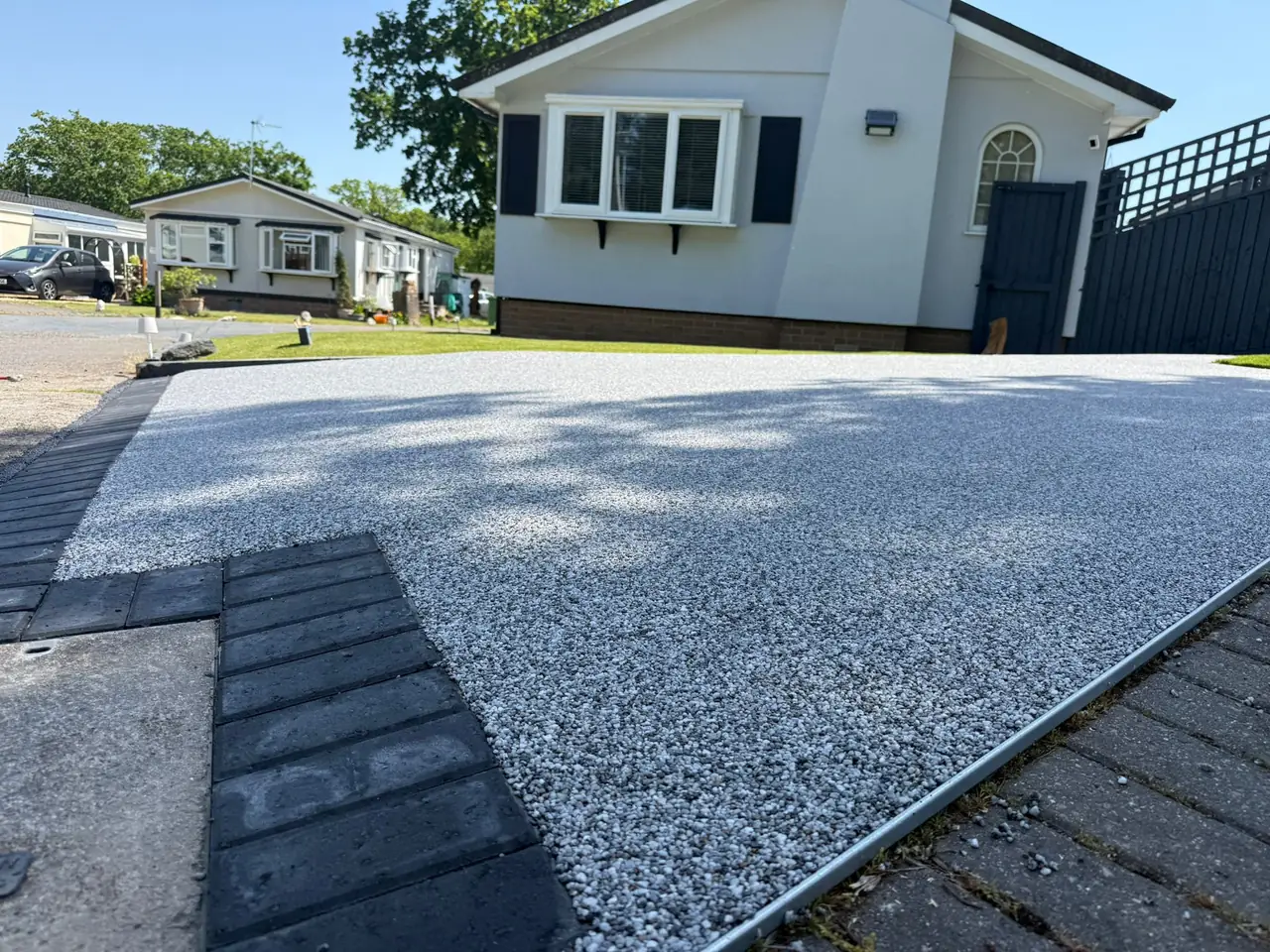
Resin Bound Is Gravel. That Is The Whole Argument.
Start here, because it clears up most of the confusion in one go.
A resin bound driveway is not a different material from gravel. It is the same washed, kiln-dried, graded aggregate - the same 1-3mm and 2-5mm stone, from the same quarries, in the same colours. The only difference is what happens on site. Loose gravel gets tipped and raked. Resin bound aggregate goes into a forced-action mixer with a clear two-part resin, comes out coated, and is trowelled flat while it is still workable. Every stone ends up glued to its neighbours and to the base beneath.
That is it. There is no magic in the surface. The stones simply stop moving. Which means the real comparison is not resin versus gravel at all, it is the same stone held down against the same stone loose, and from a first floor window the two look near enough identical anyway.
Year One: Gravel Is Cheaper And Nobody Regrets It Yet
In the first twelve months, gravel is a genuinely good buy and it would be dishonest to pretend otherwise.
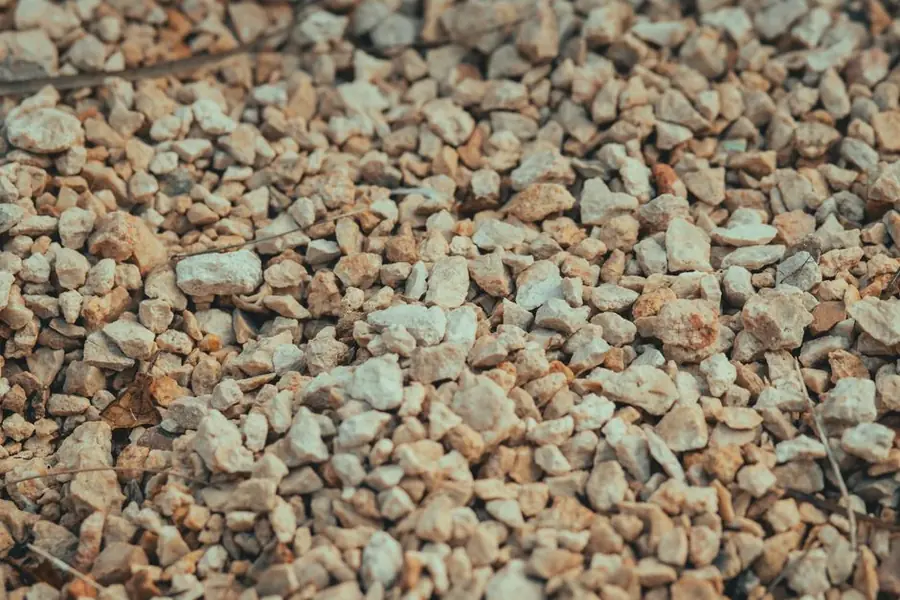
It goes down fast. A modest Swindon frontage can be excavated, membraned, edged and filled inside two days, and there is no curing period, no weather window and no waiting for a dry spell. The cost is a fraction of a bound surface. It drains freely, it crunches pleasingly under tyres, and it deters the sort of visitor who would rather approach a house silently.
Laid properly, it also has a real sub-base underneath, a geotextile membrane between the sub-base and the stone, and edge restraints on every open side. That last part gets skipped more often than it should. Done properly, though, a gravel drive in year one is a perfectly respectable thing to own. Year one is just the only year it stays that way on its own.
Year Two: The Stone Starts Leaving
Loose stone is loose. It obeys tyres, feet, slopes and weather, and none of those are on your side.
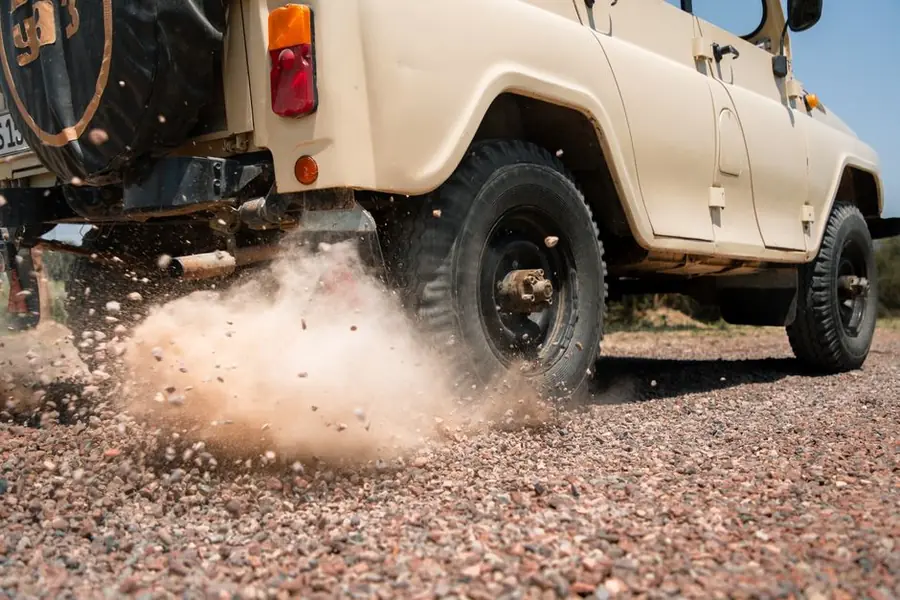
The first thing that happens is that the stone stops being evenly spread. Tyres push it outward on the turn, so two shallow channels appear where the wheels track and a ridge builds up between them. Reverse off the drive at an angle and a small fan of gravel sprays onto the footway. Walk in from the car with shopping and some of it comes indoors in the tread of your shoes.
The second thing is that it starts going downhill, in the literal sense. Swindon is not flat. Old Town sits on a hill and the streets running off it - Bath Road, Victoria Road, the terraces dropping towards the town centre - have a real fall on them. Gravel on a sloping frontage does not stay put; it creeps towards the road, gathers at the low edge and eventually ends up in the gully. Homeowners on level estate roads out at Freshbrook or Toothill have a much easier time of it than anyone on the Old Town slopes.
So by the end of year two most gravel drives need their first top-up load and a proper re-level. Neither is expensive. Both are now annual.
Year Three: Weeds, Ruts And The Weekend Rake
By the third year, the drive has developed a routine, and you are part of it.
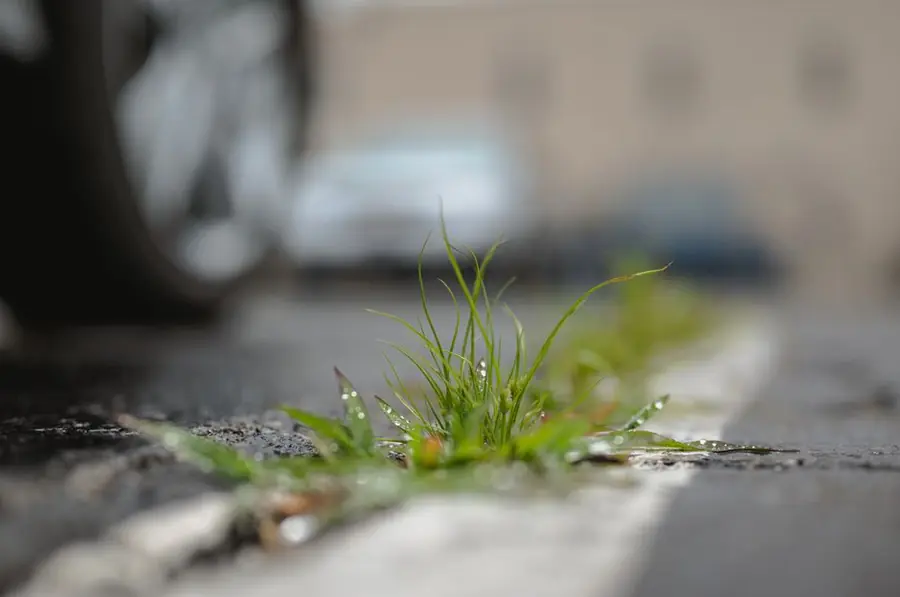
Weeds arrive from above, not below. A good membrane stops anything germinating from the soil, but it does nothing about seeds landing on top of the stone, settling into the dust and organic matter that accumulates between the pieces, and rooting in that. Dandelions and willowherb are particularly good at it. So the membrane you paid for is still doing its job, and you still have weeds - which is one of the more irritating discoveries of gravel ownership.
Meanwhile the ruts have deepened enough to hold water, the bare patches near the gate need topping up, and the whole surface wants raking level every few weeks through the growing season to look intentional rather than neglected. Add a top-up load every couple of years and two or three weedkiller passes a summer and you are at roughly a dozen small interventions a year. A resin bound drive of the same age gets brushed, and washed down when someone remembers.
What Swindon Rain Does To Both
Both surfaces are permeable, and this is the one area where gravel genuinely holds its own.

Water passes straight through loose gravel and straight through a correctly specified resin bound system, into the permeable sub-base below, and away into the ground rather than out onto the highway. Neither one sends a sheet of water down the drive into the gutter the way a concrete slab or a solid tarmac apron does. That is a real environmental benefit and it is why both are treated the same way in planning terms.
Where they diverge is in what the water carries. Rain running through gravel washes fines, dust and organic debris down into the stone, which is what eventually clogs it and produces the puddling you see on older gravel drives. Rain through a bound surface has clean voids to move through, and those voids stay open because the structure holding them is fixed. Clogging is still possible if the surface is neglected for years, but it is a slow decline rather than an inevitability.
There is also the question of what is underneath both of them. Swindon sits on heavy clay in a lot of places, which shrinks in a dry summer and swells again in a wet winter - a genuine issue we go into in our piece on the clay under Swindon and why driveways fail. Clay punishes a poor sub-base regardless of what goes on top of it. The difference is that gravel hides the symptoms, because you can rake a sunken patch flat again and it looks fixed. Resin does not let you do that. Some people count that as a mark against it.
Both Avoid Planning Permission, For The Same Reason
This one is simpler than most people expect, and it is worth stating plainly because a lot of quotes muddy it.
Government guidance on paving front gardens draws the line at permeability, not at material. If a new front driveway lets water soak through, or drains to a lawn or border within your own boundary, it normally falls under permitted development at any size. If it is impermeable and larger than five square metres with nowhere for the water to go, you need permission. The Planning Portal’s guidance on paving a front garden sets out that test, and both gravel and properly built resin bound sit on the permitted side of it.
The exceptions are where attention is actually needed. Flats are treated differently. Listed buildings need consent in their own right. And Swindon’s Railway Village - the GWR workers’ cottages laid out west of the station - is covered by an Article 4 direction, which strips out permitted development rights that apply everywhere else in the borough. It is the only Article 4 area in the SN1 and SN2 postcodes. If you are inside that boundary, check the council’s conservation area pages before you commit to anything, whichever surface you choose.
Separately, and regardless of surface, dropping the kerb is its own licence from Swindon Borough Council with its own fee and its own minimum dimensions. That is a highway matter, not a planning one, and it catches people out constantly.
Ten Years Of Cost, Not One Quote
Comparing the two on the quote alone is the mistake that leads to the 2019 homeowner sweeping the pavement.

The gravel quote is genuinely lower - often dramatically so, especially if the frontage is small and the existing surface can stay as a base. But the gravel quote is the start of the spending, not the end of it. Over a decade you are realistically looking at top-up loads of stone every two to three years, weed treatment through each growing season, and at some point a proper re-level or a partial re-lay where the ruts have won. None of these are large sums on their own. Together, across ten years, they close a lot of the gap.
The resin figure is higher and then largely stops. Cleaning is a brush and a hose. There is no top-up, because nothing has gone anywhere.
There is a second cost that is harder to price and that Swindon sellers do notice. Estate agents photograph frontages. A bound surface photographs as finished. A rutted gravel drive with stone washed into the gutter photographs as a job for whoever buys the house.
When Gravel Is Genuinely The Right Answer
It would be a poor comparison that only ran one way, so here is the case for the other side.
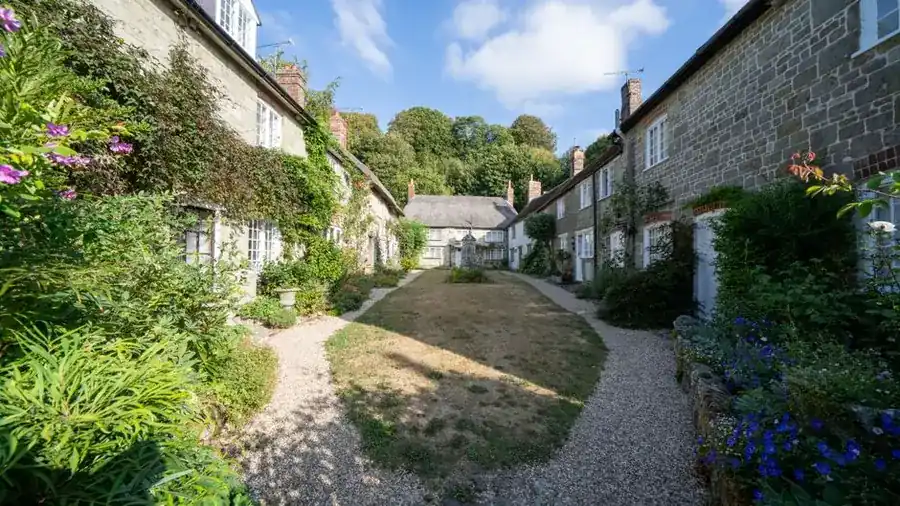
Gravel is right when the setting calls for it. A period cottage in one of the villages ringing Swindon - Chiseldon, Wanborough, Wroughton - often looks wrong with a smooth bound surface and right with loose stone, and that is a legitimate reason to choose it. Conservation officers sometimes think so too.
It is right on long rural approaches, where the sheer area makes a bound surface hard to justify and nobody is walking the length of it in good shoes. It is right when the budget genuinely is not there this year and the alternative is leaving a muddy frontage as it is - a well-built gravel drive is far better than no drive. And it is right when you actively enjoy the upkeep, which some people do, in the same way some people enjoy a lawn that needs striping.
What gravel is not well suited to is a standard Swindon frontage of thirty or forty square metres, used daily, on a street where the stone has somewhere to escape to. That is where the five-year version of the drive looks very different from the photograph on the day it was finished.
If you want to see the two side by side before deciding, the useful test is not a brochure - it is a walk down a street where both exist and are a few years old. Then ask which one you would rather be responsible for.
Not sure which way to go on your own frontage? Book a free site visit and we will measure up, look at the fall on your drive and the ground underneath it, and give you a written quote for resin bound - along with an honest view on whether gravel would serve you better.
Frequently Asked Questions
Is a resin driveway just gravel stuck down?
Essentially, yes - and that is the honest way to describe it. Resin bound uses the same washed, graded aggregate you would spread loose, but every stone is coated in a clear UV-stable resin in a forced-action mixer and then trowelled out as one continuous layer. The stones stay where they are put. You keep the look and the drainage of gravel and lose the migration, the ruts and the raking. Anyone selling it as something more exotic than that is overcomplicating it.
Which is cheaper in Swindon, gravel or resin bound?
Gravel is much cheaper on day one and the gap narrows every year after that. A loose gravel drive laid properly over a compacted sub-base with edge restraints and a membrane costs a fraction of a resin bound drive of the same size. But gravel needs topping up, raking and weed treatment, and the top-ups do not stop. Over a ten-year window the difference is far smaller than the two quotes suggest, and if the gravel was laid without proper edges it can end up costing more.
Do I need planning permission for a gravel or resin driveway in Swindon?
Usually neither needs it. Government guidance treats both loose gravel and resin bound as permeable, so water soaks through rather than running onto the road, and permeable front driveways of any size normally fall under permitted development. The exceptions matter more than the rule: flats, listed buildings, and the Railway Village where an Article 4 direction removes permitted development rights. Lowering the kerb is a separate licence from Swindon Borough Council either way.
Will a gravel driveway damage my car or the road outside?
Damage is strong, but loose stone does move. Sharp turns fling it off the drive, tyres carry it onto the footway, and it finds its way into gullies at the kerb. On the sloping streets around Old Town gravity does the rest. Most Swindon homeowners who switch to resin cite the stone on the pavement and in the road rather than the look of the drive itself - it is the neighbourly complaint that eventually forces a decision.