
16 July 2026
Are Resin Driveways Slippery? Anti-Slip And Safety Facts For Swindon Homes
Grip is one of those things nobody thinks about until someone slips - and then it’s the only thing that matters. It’s a fair question to ask before choosing a driveway, especially if you’ve got children racing to the car, elderly relatives visiting, or a sloped drive that faces the weather. Swindon gets around 1,100mm of rain a year, spread across roughly 130 wet days, so any driveway here spends a lot of its life wet. The good news is that resin is one of the better surfaces for grip in the wet - but there’s useful detail behind that, including when you’d want to specify extra anti-slip and how resin really compares to the alternatives. Here are the honest facts.
Why Resin Grips Well In The Wet
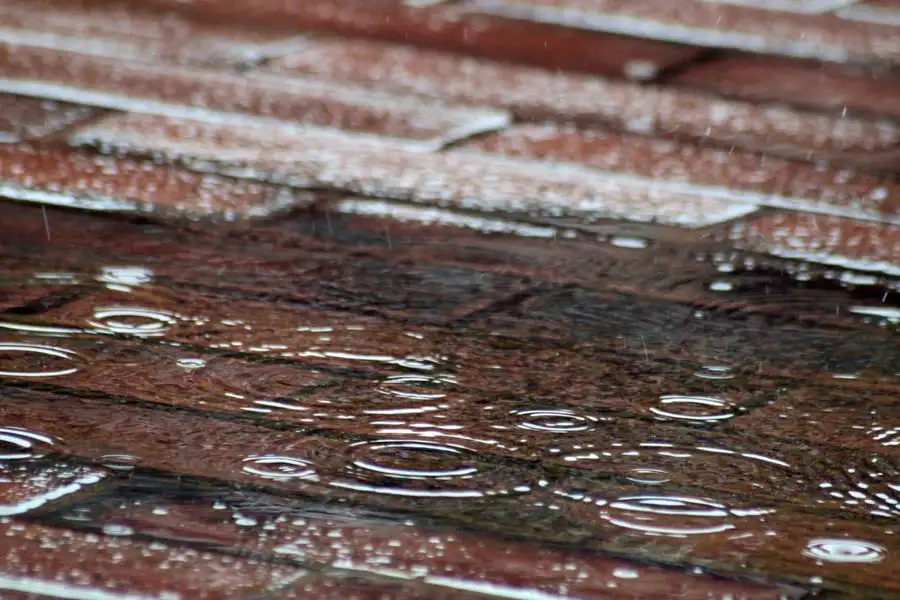
The reason resin performs well when wet comes down to two things working together: texture and drainage.
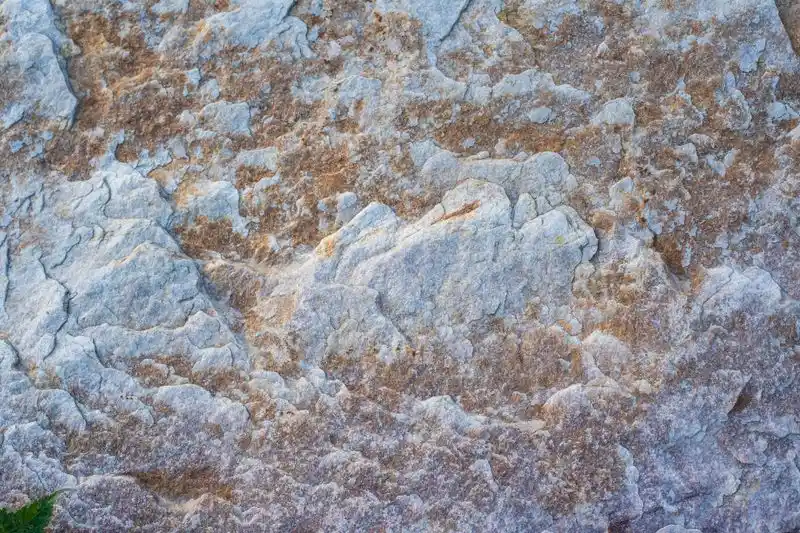
The surface itself is made from natural aggregate stone bound in resin, which gives a naturally rough, textured finish rather than a smooth, polished one. That micro-texture is what your shoe or tyre grips against. Unlike a sealed, glossy surface where a film of water sits between your foot and the ground, resin’s stone finish keeps contact even when it’s raining. It’s the same principle that makes a rough path safer than a shiny tiled floor.
The second factor is permeability. Because a resin bound driveway drains water straight through the surface rather than letting it sit on top, there’s no slick film of standing water to slide on in the first place. Rain passes down into the sub-base and away. On an impermeable surface like sealed block paving or smooth concrete, that same rain sits on the surface and can make it genuinely slippery. In a wet town like Swindon, where drives are damp more often than not through winter, that drainage advantage shows up in everyday grip.
How Resin Compares To Other Surfaces
Here’s how resin stacks up against the surfaces people usually compare it with, because “slippery” is relative.
Block paving looks smart but the individual blocks are often smooth or sealed, and when wet - or worse, when a film of algae builds up in a shaded spot - it can get slippery, particularly the older sealed types. The joints also collect moss, which is slick underfoot. Compared with block paving, resin’s continuous textured surface generally holds grip better in the wet and doesn’t have joints for algae to colonise.
Smooth or power-floated concrete is among the more slippery options when wet, because it’s a hard, close finish with nothing much for a shoe to key into. Imprinted or sealed concrete can be worse once the sealant wears smooth. Gravel grips fine but comes with its own hazards - loose stones that roll underfoot and migrate everywhere. Against that field, resin’s mix of texture and drainage puts it near the top for wet-weather grip, which is one of the quiet reasons it’s become so popular for family homes.
When To Add Anti-Slip Aggregate
The standard resin finish grips well enough that most flat residential driveways need nothing extra. But there are situations where specifying additional anti-slip is a sensible move, and a good installer will flag them rather than treating every job the same.
Sloped and ramped drives are the obvious case. If your driveway runs at a noticeable gradient - common on some of Swindon’s hillier streets and split-level plots - a steeper surface sheds water fast and puts more demand on grip, so a grippier aggregate specification is worth considering. Shaded, north-facing sections that stay damp and can grow a little algae are another candidate, as are entrances and paths used daily by elderly or less mobile household members where an extra margin of safety is welcome.
The options range from choosing a more angular, coarse aggregate that naturally grips harder, to blending a dedicated anti-slip additive into the surface layer. It’s a straightforward thing to build in at installation and much harder to add later, so it’s a conversation worth having up front. We’ve written more about resin driveway drainage, which is closely tied to how well a surface performs in the wet.
Frost, Ice And Winter Grip
Wet grip is one thing; frozen grip is another, and it’s only honest to be clear about the limits. No surface is slip-proof when it’s covered in ice. If it’s cold enough for long enough, a resin drive can ice over like anything else, and you should grit it when conditions are genuinely icy.
That said, resin has two things going for it in the cold. First, because it doesn’t hold standing water, it tends not to form the solid sheet of glaze ice that develops on impermeable surfaces where puddles freeze - the water has already drained away. Second, the aggregate texture still offers more grip than smooth wet paving even under a light frost. So while resin isn’t a no-grit surface, it does give you a better starting position on a frosty Swindon morning than the smoother alternatives.

Resin For Elderly And Disabled Access
If safe, easy access matters in your household - for older relatives, a wheelchair or mobility scooter user, or anyone unsteady on their feet - resin is one of the best driveway surfaces you can choose, and this is where its qualities really come together.
The surface is smooth and continuous, with no raised joints, ridges, lips, or loose stones. That means nothing to trip on, nothing to catch a walking frame or stick, and nothing to jolt a wheelchair or scooter. Yet it isn’t slippery-smooth like polished stone - the aggregate texture gives grip while the flat, even profile gives stability. It can also be laid to a consistent, gentle gradient for a ramp, and where a slope needs it, an anti-slip aggregate adds an extra safety margin.
Set that against the alternatives and the difference is clear. Block paving has joints and can settle unevenly over time, creating trip lips. Gravel is a genuine obstacle for wheels and unstable underfoot. Resin gives you a firm, level, grippy, seamless surface, which is exactly what good accessibility needs.

The Honest Bottom Line On Grip
Resin driveways are not slippery in the way people sometimes fear. In the wet - which is most of the time in Swindon - the combination of a textured stone finish and a permeable surface that drains rather than pools gives grip that beats smooth block paving, sealed concrete, and imprinted finishes. For slopes, shaded areas, and accessibility, an anti-slip aggregate can push that grip further where it’s needed. And in frost, while no surface removes the need to grit when it’s truly icy, resin’s drainage and texture give it a real head start.
As with everything resin, the finish depends on it being laid properly by someone who specifies the right aggregate for your site. If grip is a particular concern - because of a slope, a shaded aspect, or accessibility needs - say so at the quote stage, and it can be built into the specification from the start.
Worried about grip or safety on your driveway? Get in touch for a free assessment and honest advice.
Frequently Asked Questions
Are resin driveways slippery when wet?
No - resin bound driveways are one of the least slippery surfaces when wet. The finish is made from natural aggregate stone, which gives a naturally rough, grippy texture, and the surface is permeable so rainwater drains straight through rather than sitting on top as a slick film. This is a real advantage over smooth, sealed block paving or polished concrete, which can become slippery in the rain. In Swindon's wet climate, that everyday wet-weather grip is one of resin's genuine safety benefits.
Can you add anti-slip aggregate to a resin driveway?
Yes. For areas that need extra grip - slopes, ramps, shaded paths that stay damp, or entrances used by elderly or less mobile people - an anti-slip aggregate can be added to the resin mix. Options include angular grip aggregates and specialist anti-slip additives blended into the surface. A good installer will assess gradient and usage and recommend a grippier specification where it's genuinely needed rather than as standard, since the base resin finish already grips well.
Are resin driveways slippery in frost and ice?
Like any outdoor surface, resin can develop ice in freezing conditions and should be gritted when it's genuinely icy. However, resin tends to ice over less readily than impermeable surfaces because water drains through instead of pooling and freezing into a glaze, and the textured aggregate finish provides more grip underfoot than smooth wet paving even in light frost. It is not a no-grit surface, but it gives a head start when temperatures drop.
Is resin a good driveway surface for elderly or disabled access?
Resin is often an excellent choice for accessibility. The surface is smooth and continuous with no raised joints, ridges, or loose stones to trip on or catch a wheelchair or walking frame, yet the aggregate texture still provides grip underfoot. It can be laid to a consistent gradient for ramps, and an anti-slip aggregate can be specified for extra security on any sloped section. Compared with block paving's joints and gravel's loose surface, resin is far more accessible.