
10 July 2026
Are Resin Driveways Worth It? An Honest Look At The Pros And Cons For Swindon Homes
Resin driveways cost more than tarmac. There’s no way around that, and any installer who dances around the question isn’t doing you a favour. So the real question - the one behind most of the quote requests we get - is whether the extra money actually buys you anything. Sometimes it does. Occasionally it doesn’t. Here’s the honest version of the pros and cons for a Swindon home, including the bits that don’t usually make it into sales brochures.
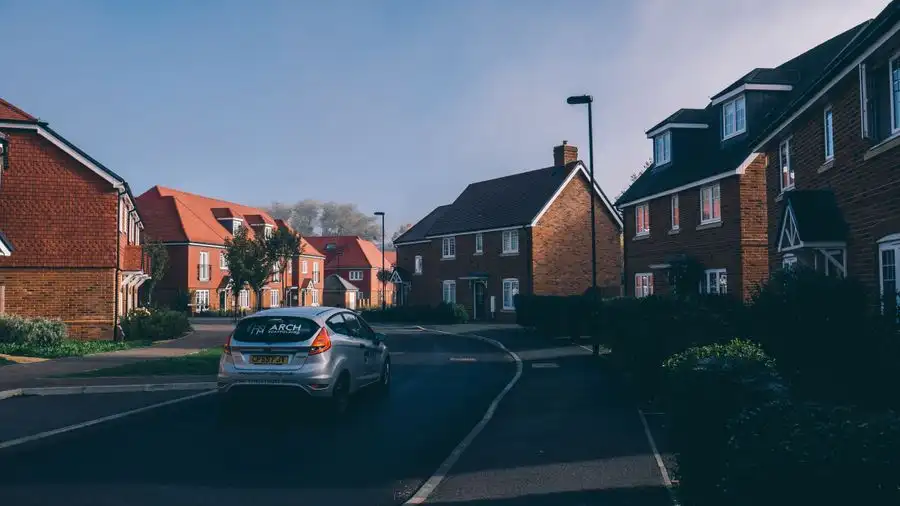
The Case For: Where Resin Genuinely Earns Its Price
Start with lifespan. A resin bound driveway on a proper sub-base lasts 20-25 years. Tarmac realistically gives you 10-20 before cracking and oil staining set in, and it needs re-sealing every 3-5 years along the way. Block paving lasts well but demands constant weeding and occasional re-sanding. Resin needs a sweep and an annual wash. Over two decades, the maintenance gap is real money and real Saturday mornings.
Then there’s the permeability. Resin bound surfacing drains straight through into the ground, which means no planning permission needed for front gardens (impermeable surfaces over 5m² have required it since 2008), no puddles, and no water sheeting off your drive onto the pavement in a downpour.
And the look. Resin comes in dozens of aggregate blends - buff, silver, charcoal, terracotta - so it can be matched to brickwork rather than defaulting to black. On an older property in Old Town or a 1930s semi off Croft Road, that flexibility is worth something tarmac can’t offer at any price.

What It Actually Costs
For a typical Swindon front driveway of 30-40m², expect £2,500-£6,000 depending on the condition of what’s underneath and the aggregate you choose. Tarmac on the same footprint runs £1,500-£3,000. Gravel is cheaper still.
So resin costs roughly £1,000-£3,000 more upfront than tarmac on an average job. What that buys: no re-sealing (tarmac needs it at £3-£8 per m² every 3-5 years), no resurfacing at year 12-15 (tarmac usually does), and a surface that still looks presentable when you come to sell. Run the numbers over 15-20 years and the gap mostly closes. Run them over 5 years and it doesn’t - which is why the answer depends on how long you’re staying.
We’ve covered the full pricing breakdown in our resin driveway cost guide if you want the detailed figures.
The Case Against: What Can Go Wrong
The biggest risk with resin isn’t the material. It’s the installation - and this is the part of the industry that deserves more scrutiny than it gets.
A resin surface is a 15-18mm decorative layer sitting on whatever foundation is underneath. If that sub-base is too thin, badly compacted, or missing entirely (some outfits lay resin straight over cracked concrete and hope), the surface will crack within a few years no matter how good the resin was. You can’t see any of this once the job is done, which is exactly why cowboys get away with it. Swindon’s clay ground makes it worse: clay shrinks and swells with the seasons, and an undersized sub-base transfers all of that movement straight up into the surface.
The other genuine drawbacks are smaller but worth knowing. Repairs work, but colour-matching a patch against weathered resin takes 12-18 months to blend in. Cheap non-UV-stable resin (still sold, mostly on price-led jobs) yellows in sunlight. And in a heatwave, a badly specified mix can soften enough for a motorbike stand to leave a mark.
Resin Vs The Alternatives, Briefly
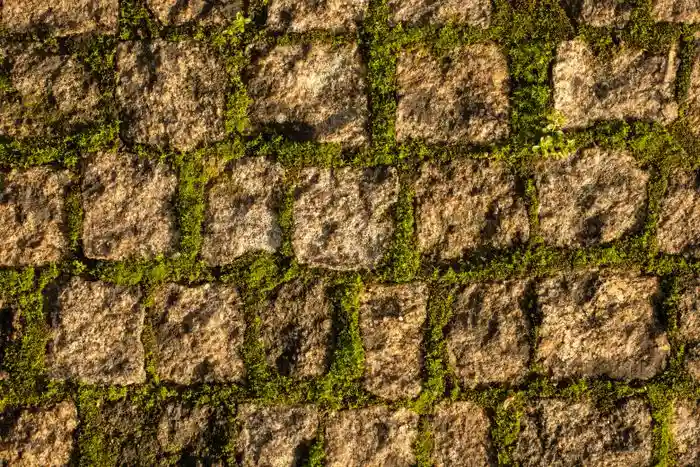
Against block paving: resin has no joints, which means no weeds, no sand loss, and nowhere for moss to root. Block paving looks smart but the joints are a permanent maintenance commitment - anyone who’s spent a bank holiday scraping them knows. We’ve compared the two properly in resin vs block paving.
Against tarmac: cheaper upfront, black only, needs re-sealing, softens in heat, and dissolves under oil drips. Full comparison in resin vs tarmac.
Against gravel: gravel is the cheapest option going and drains well, but it migrates onto the lawn and the pavement, ruts under tyres, and needs topping up. Fine for a farmhouse; frustrating on a suburban plot where it ends up in the road.
None of these are wrong choices. They’re different trade-offs, and budget legitimately decides some of them.
What Makes The Difference On Swindon’s Ground
Local conditions push the maths further in resin’s favour here than in some other towns, and it comes down to clay.
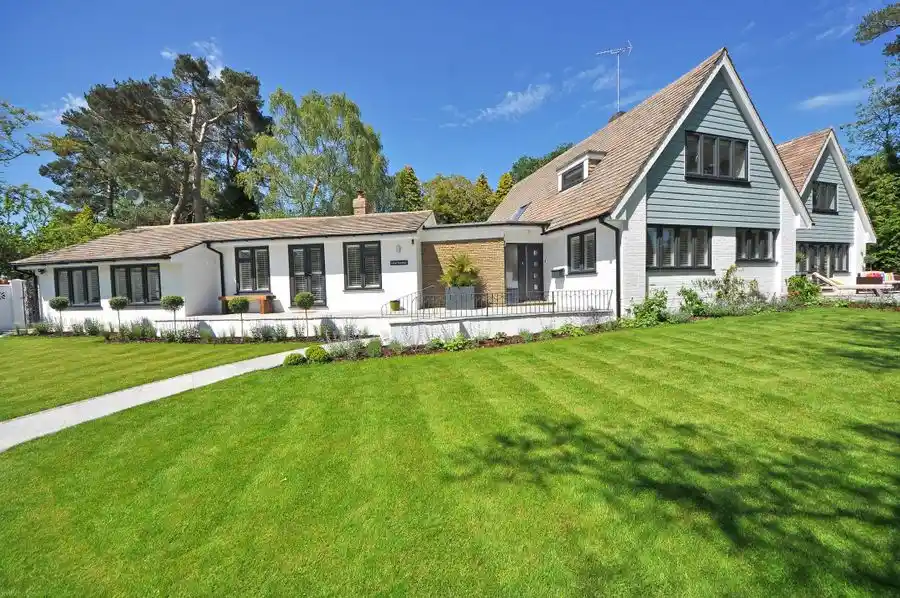
Most of residential Swindon - Stratton, Walcot, Liden, Wroughton, Covingham, and the newer estates at Wichelstowe and Badbury Park - sits on heavy clay. Clay drains slowly and moves with moisture. An impermeable surface on clay traps water underneath, and each winter’s freeze-thaw cycle levers cracks open a little wider. That’s why so many older tarmac drives around the town are breaking up at the edges.
A permeable resin surface over a proper stone sub-base keeps the clay below drier and more stable, so the surface suffers less seasonal stress. Same product, but it earns more of its keep on this ground than it would on free-draining chalk down in Salisbury. The flipside is equally local: skimped sub-bases fail faster on clay too, which raises the stakes on installer choice.
Who Shouldn’t Get A Resin Driveway
A short list, because “resin is right for everyone” is sales talk.
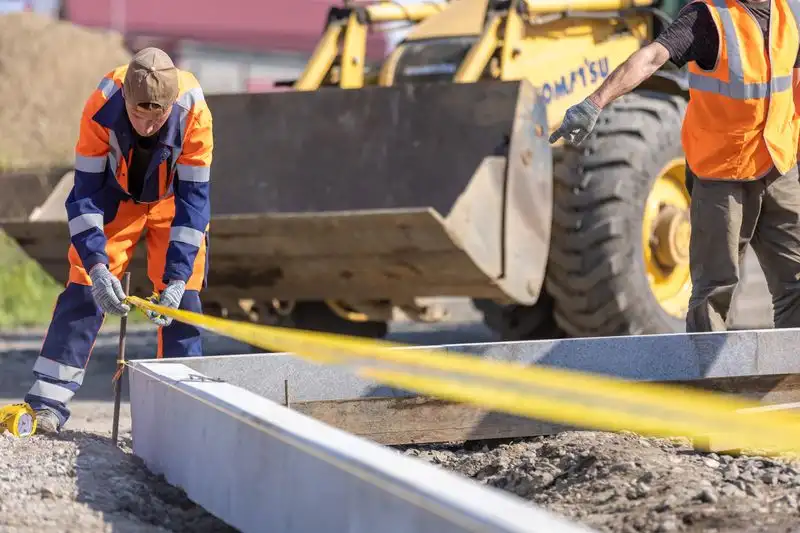
If you’re selling within a year or two, spend less - a tidy gravel or tarmac job removes the eyesore without the premium, and you won’t be there to collect the maintenance savings. If the budget only stretches to the very cheapest resin quote you’ve had, be careful: the difference between a £4,500 quote and a £2,800 quote for the same driveway is almost always the sub-base, and the cheap version fails first. A proper tarmac job beats a corner-cut resin job every time.
And if your driveway regularly hosts a 7.5-tonne work vehicle parked in the same spot, tell your installer - it changes the sub-base spec, and a standard residential build-up isn’t designed for it.
The Verdict
For a Swindon homeowner staying put for five years or more, on a realistic budget, resin is worth it: the maintenance savings, the planning exemption, the drainage performance on clay, and the way it holds its looks all compound over time. The premium over tarmac buys durability you’ll actually use.
The one thing that decides whether you get that value is the installation. The material almost never fails; groundwork does. Ask every installer what sub-base depth they’re quoting, what they’ll do if they find bad ground, and whether the quote covers muck-away. Our guide on choosing an installer covers the exact questions worth asking.
If you want real numbers for your own driveway rather than ranges, book a free site visit - we’ll assess the ground, measure up, and give you a firm figure with the sub-base spec written down, so you can compare like for like.
Frequently Asked Questions
Are resin driveways worth the money?
For most Swindon homeowners planning to stay in their property 5+ years, yes. A resin bound driveway costs £80-£150 per square metre installed - more than tarmac or gravel upfront - but lasts 20-25 years with almost no maintenance, needs no planning permission on front gardens because it's permeable, and adds kerb appeal that helps at resale. Where it's not worth it: very tight budgets, short-term ownership, or driveways where a failing sub-base would push the real cost far beyond the headline quote.
What are the disadvantages of a resin driveway?
The main ones: higher upfront cost than tarmac or gravel; quality depends heavily on the installer and the sub-base, which you can't see once the surface is down; repairs are possible but rarely invisible due to colour-matching; moss can grow on the surface in permanently shaded spots if organic debris is left to build up; and in very hot weather a poorly specified resin can soften. Most of these are avoidable with a proper installation - which is exactly why installer choice matters more than brand of resin.
Do resin driveways add value to a house in Swindon?
A smart, well-maintained driveway improves kerb appeal and first impressions, which estate agents consistently say influences offers. A resin driveway won't transform a valuation on its own, but replacing a cracked or weed-filled surface with a clean permeable one removes a negotiation point for buyers and photographs well in listings. On a typical Swindon semi, the combination of added appeal and a 20-25 year lifespan means the cost is usually recovered in saleability rather than a direct pound-for-pound uplift.
How long do resin driveways actually last?
A resin bound driveway installed on a properly prepared, compacted sub-base should last 20-25 years under normal residential use. The caveat matters: driveways laid on thin or poorly compacted sub-bases - a known corner-cutting tactic - can crack within 5-7 years, especially on Swindon's shrink-swell clay ground. The material is rarely the weak point; the groundwork is.