
14 August 2026
Common Resin Driveway Problems (And How To Avoid Them) In Swindon
Resin is one of the most durable, low-maintenance driveway surfaces you can choose - but like anything, it can develop problems, and when it does, people understandably wonder whether resin was the wrong choice. Here’s the reassuring truth: almost every resin driveway problem we get called out to traces back to how it was installed or the quality of the materials used, not to resin as a surface. A properly laid resin driveway using good materials rarely goes wrong. Understanding the common problems, what actually causes them, and how they’re avoided is the best way to make sure your driveway is one of the ones that lasts - especially on Swindon’s clay, which is unforgiving of corner-cutting. Here’s the honest rundown.
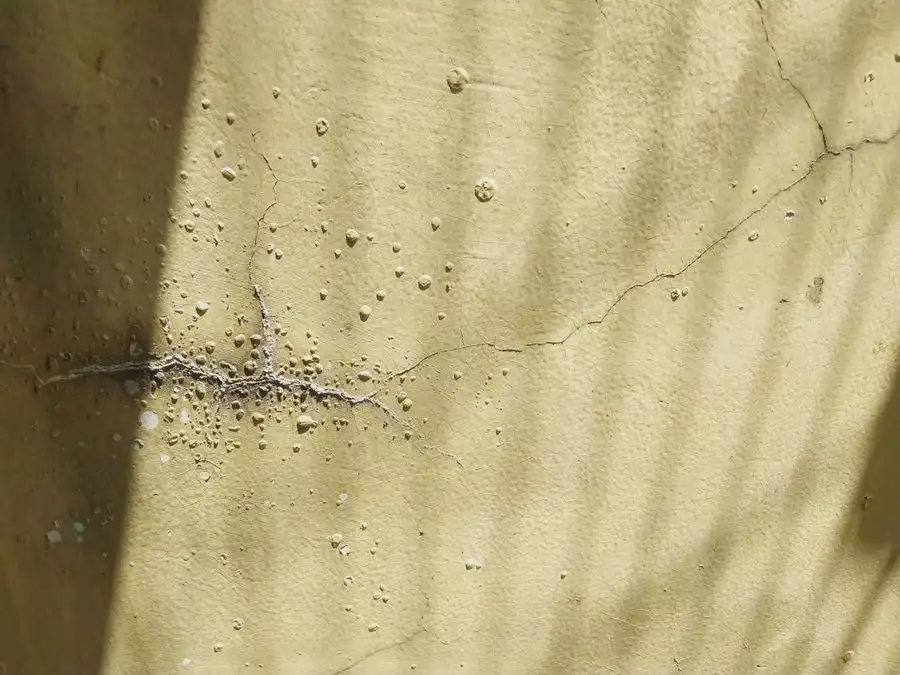
Cracking: Almost Always The Sub-Base
Cracking is the problem people worry about most, and it’s the one that most reliably points to what’s underneath rather than the resin on top.
A resin surface is only 15-18mm thick and has no structural strength of its own - it’s a wearing layer that follows whatever the base beneath it does. If the sub-base is solid, level and properly compacted, the surface stays intact. If the sub-base is too thin, badly compacted, or the wrong material, ground movement transfers straight up into the resin and cracks it. On Swindon’s shrink-swell clay, which expands and contracts with the seasons, that movement is significant, so a skimped base fails faster here than almost anywhere.
The fix and the prevention are the same thing: a proper sub-base, usually 100-150mm of compacted, permeable stone, built and compacted correctly. This is invisible once the job’s done, which is exactly why some installers cut it - and why cracking is so often a sign of a cheap installation rather than bad luck. Patching the surface over a moving base just delays the problem; the base has to be right. Our resin driveway repair guide covers this in depth.
Loose Or Shedding Stone
A resin surface that starts letting go of its aggregate - loose stone underfoot, bald patches appearing - is a clear sign something went wrong at installation, not normal wear.
When resin is mixed and laid correctly, every stone is fully coated and bound into a solid, continuous surface that holds together for decades. Loose stone means the resin didn’t properly bind or cure the aggregate, and the usual causes are wrong resin-to-aggregate ratios, poor mixing, laying in unsuitable weather (rain or cold during the cure), or a surface laid too thin. It tends to show first at edges and turning points, where stress is highest. A well-laid driveway simply shouldn’t shed stone within its normal life.
Avoiding it comes down to the installer: correct mixing, quality resin, laying only in suitable conditions, and the right surface depth. It’s one of the reasons the cheapest quote is so often a false economy - loose stone within a couple of years usually means the job was rushed or the ratios were off.
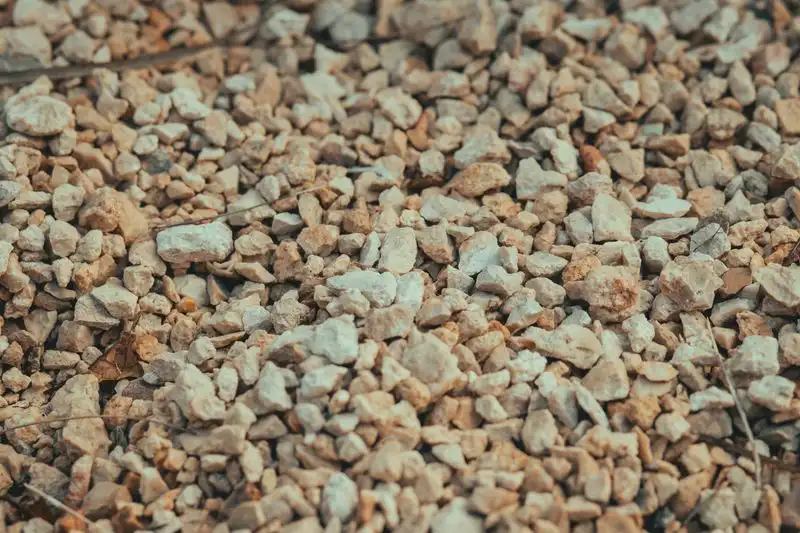
Fading And Yellowing
A resin driveway that’s faded, yellowed, or lost its colour depth is almost always a materials problem - specifically, the resin that was used.
Quality resin bound surfacing uses a UV-stable resin, which stays clear and lets the natural stone colour show for the life of the driveway. Cheaper, non-UV-stable resin degrades in sunlight and ambers over time, which turns a crisp grey muddy and washes out the whole surface. It’s most noticeable on greys and lighter blends. Crucially, this isn’t something you can fix after the fact or prevent with maintenance - it’s baked in at installation by the choice of resin.
The prevention is simple but has to happen up front: insist on UV-stable resin. Any reputable installer uses it as standard, so if a quote is unusually cheap, the resin quality is one place the saving may be hiding. We cover this in our post on whether resin driveways need sealing - a sealer won’t reliably reverse yellowing, which is why the resin choice matters more than any top-coat.
Moss, Algae And Green Growth
Moss and algae are the one “problem” that’s usually cosmetic and easily managed rather than a sign of a failed installation - so it’s worth putting in perspective.
Any outdoor surface in a damp climate can grow moss or algae where organic debris collects and the surface stays wet, and shaded, north-facing Swindon drives are the most prone. The good news is resin is far less susceptible than block paving, because it has no joints for moss to root in and it drains rather than holding surface water. Where growth does appear, it’s sitting on the surface rather than embedded, and it clears easily.
Prevention is genuinely simple: keep the surface swept clear of leaves and debris so moss has nothing to feed on, wash it down occasionally, and cut back overhanging branches to let more light and air reach shaded stretches. None of this is demanding - our resin driveway cleaning guide covers the short routine. Left completely unmaintained for years, any surface goes green; a bit of basic upkeep keeps resin clear.
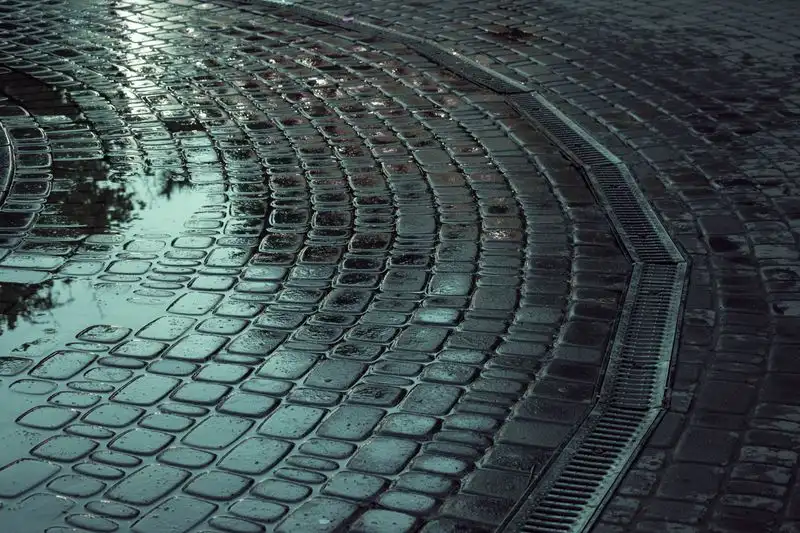
Surface Water And Drainage Problems
A resin driveway that pools water after rain is a contradiction in terms - resin is meant to be permeable - so when it happens, it points to a specific installation issue worth understanding.
Properly installed resin bound surfacing drains straight through into a permeable sub-base and away. If water is sitting on the surface, the usual causes are a sealed or non-permeable sub-base beneath the resin, a sealer wrongly applied over the top that’s blocked the surface voids, or the surrounding ground being unable to take the water away on heavy clay. The surface itself is rarely the problem - it’s what’s under or over it. On Swindon’s slow-draining clay, a permeable build-up (and sometimes a soakaway) is what makes the drainage work as it should.
Avoiding it means getting the whole construction right, not just the visible surface: a genuinely permeable sub-base, no permeability-killing sealer, and drainage provision where the ground needs it. Our resin driveway drainage guide explains how it should be built.
Sinking And Unevenness
An uneven resin surface - dips, hollows, sections sitting lower than others - is another sub-base story, and it usually shows up within the first few years if the groundwork was rushed.
If the sub-base wasn’t compacted properly, it settles unevenly under the weight of vehicles after installation, and the surface above sinks with it. The same happens if soft spots in the ground weren’t dealt with before the base went in, or if the base was laid too thin to spread the load. Once it’s settled unevenly, the surface can’t be simply flattened - the affected area usually needs lifting and rebuilding on a proper base.
Prevention, again, is all in the groundwork: excavating to the right depth, dealing with soft spots, and compacting the sub-base in layers so it consolidates fully before the resin goes on. It’s the same theme running through nearly every resin problem - the surface gets the blame, but the base is where the job is really made or broken.
The Common Thread: It’s The Installation
Step back from the individual problems and one thing is obvious: nearly every common resin driveway fault comes down to installation quality or materials, not resin as a product. Cracking, sinking and drainage failure are sub-base problems. Loose stone and colour loss are materials-and-workmanship problems. Only moss is a genuine maintenance thing, and it’s minor and easily managed.
That’s actually good news, because it means these problems are almost entirely avoidable - by choosing an installer who builds a proper sub-base, uses UV-stable resin, and lays only in suitable conditions. The cheapest quote is so often where these faults are built in, because the savings come from exactly the things that prevent them: base depth, compaction, and resin quality. Spending a bit more on a proper job is what buys you a driveway that simply doesn’t develop these problems.
If your resin driveway has developed any of these issues, or you want to avoid them on a new one, get in touch for a free assessment - we’ll tell you honestly what’s causing a problem and how to put it right, or how to make sure a new driveway is built to last from the ground up.
Frequently Asked Questions
What are the most common problems with resin driveways?
The most common resin driveway problems are cracking, loose or shedding stone, colour fading or yellowing, moss and algae growth, and surface water or poor drainage. Almost all of them trace back to either the installation (especially the sub-base) or the quality of the materials used, rather than a flaw in resin as a surface. A properly installed resin driveway using UV-stable resin over a correct, compacted sub-base avoids nearly all of these issues for its 20-25 year life.
Why is my resin driveway cracking?
Cracking almost always comes down to the sub-base beneath the surface, not the resin itself. If the sub-base is too thin, poorly compacted, or the wrong material, ground movement transfers up into the surface and cracks it - and on Swindon's shrink-swell clay, that movement is significant. A resin surface is only 15-18mm thick and has no structural strength of its own, so it faithfully follows whatever the base does. Proper sub-base depth and compaction is the fix and the prevention.
Why has my resin driveway gone loose or lost stone?
Loose or shedding stone usually points to an installation problem - wrong resin-to-aggregate ratios, poor mixing, laying in unsuitable weather, or a surface laid too thin. When the resin doesn't fully bind or cure, it can't hold the stone, and aggregate works loose, often at edges and turning points first. On a properly mixed, correctly cured surface this shouldn't happen. It's one of the clearest signs a driveway was laid by someone cutting corners.
How do I stop moss growing on my resin driveway?
Moss and algae grow where organic debris builds up and the surface stays damp, typically on shaded, north-facing areas. The best prevention is simple: keep the surface swept clear of leaves and debris, and give it an occasional wash. Because resin is permeable and has no joints, it's far less prone to moss than block paving, but shaded Swindon drives can still get some. Clearing debris early and cutting back overhanging planting to let light and air in usually keeps it at bay.