
18 August 2026
Can A Resin Driveway Handle SUVs, Vans And Electric Cars? The Weight Question Answered
Cars have quietly become enormous. The average new car sold in the UK today is heavier than it’s ever been - SUVs dominate the sales charts, work vans are a fixture on residential streets, and electric cars carry battery packs that add hundreds of kilos over their petrol equivalents. Which raises a question we now hear at quote visits across Swindon almost every week: can a resin driveway actually take the weight? It’s a fair thing to ask before spending thousands on a new surface, especially if your household runs a hefty EV, a 4x4, or a work van that lives on the drive. The short answer is yes, comfortably - but the reasons why are worth understanding, because they tell you exactly what to check before you buy. Here’s the weight question answered properly.

How Heavy Are Cars Now, Really?
It helps to put numbers on this, because the drift upward has been dramatic and most people haven’t clocked quite how far it’s gone.
A 1990s family hatchback weighed around a tonne. Today’s equivalent is closer to 1.4 tonnes, a mid-size SUV runs 1.8-2.2 tonnes, and large 4x4s push past 2.5. Electric cars top the charts: the battery alone can weigh 400-600kg, so a family EV typically lands between 1.8 and 2.5 tonnes, with some large electric SUVs nudging three. Add a loaded work van - up to 3.5 tonnes fully laden - and the vehicles sitting on Swindon’s driveways are carrying double the weight they did a generation ago.
So the concern behind the question is legitimate. Surfaces that coped fine with a Mk2 Escort are being asked to hold considerably more, day in, day out. The reassuring part is what actually carries that weight on a resin driveway - because it isn’t the resin.
The Surface Doesn’t Carry The Car - The Base Does
Here’s the single most useful thing to understand about resin driveways and weight: the 15-18mm resin surface you see is a wearing layer, not a structural one. The load of any vehicle passes straight through it into the sub-base below, and it’s the sub-base - typically 100-150mm of compacted, permeable stone - that spreads and carries the weight.
That changes how you should think about the question. “Can resin take an SUV?” is really “can the sub-base take an SUV?” - and a properly built residential sub-base takes a 2.5-tonne vehicle without breaking a sweat. The stone layer spreads the point loads from the tyres out across the ground beneath, exactly as it does under roads carrying vehicles many times heavier. On Swindon’s clay, that same layer is also absorbing seasonal ground movement, which is why we go on about its depth and compaction at every opportunity - our guide to how thick a resin driveway should be covers the full build-up.
The flip side follows automatically: a driveway that ruts, dips or cracks under a heavy car was under-built, full stop. The weight didn’t break it; the skimped groundwork did. Which is why the vehicle conversation belongs at the quote stage, not after the fact.
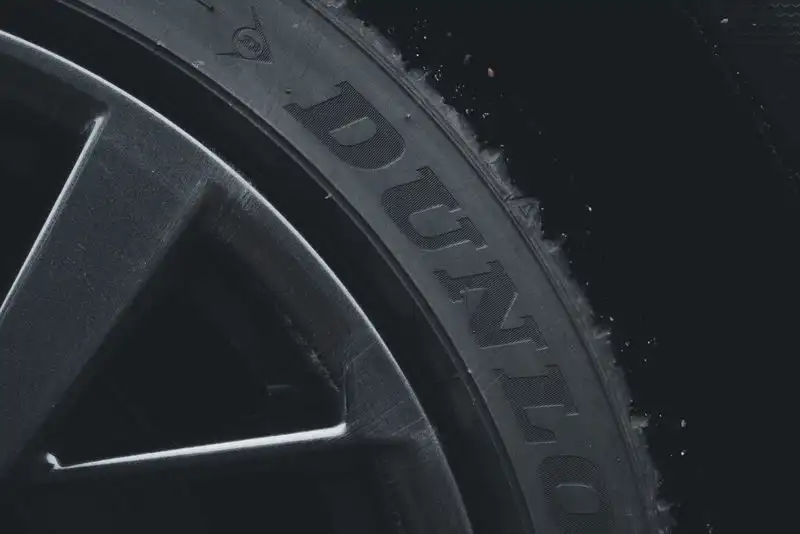
Electric Cars: The New Question On The Block
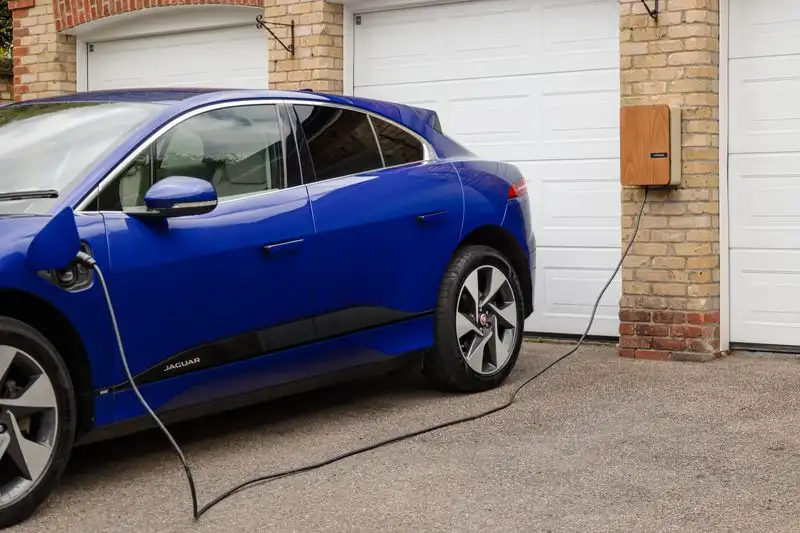
EVs deserve their own section, because they’re the version of this question we’re asked most often now - and because they bring one genuinely new consideration beyond weight.
On the weight itself: yes, EVs are heavier, and no, it doesn’t trouble a properly built resin driveway. A Tesla Model Y, a Kia EV6, a Volkswagen ID.4 - all sit around the 2-tonne mark, similar to the diesel SUVs that have parked on resin drives for years without incident. The load still travels through the surface into the sub-base, and the sub-base still shrugs at anything under three tonnes. If your household is going electric, resin remains exactly as suitable as it was before.
The genuinely new consideration is the charger. A home wallbox usually means a cable run from the house to the parking spot, and the neat time to sort that is before the driveway goes down, not after. Ducting can be buried through the build-up during installation, so the cable crosses under the surface invisibly rather than trailing over it - a five-minute conversation at the quote stage that saves either an ugly surface-run cable or cutting into a finished drive later. If an EV or a planned charger is in your future, say so when you get quotes; a good installer will design for it as standard.
Vans, Campers And The Heavier End
Work vans and campervans are where the question gets more interesting, and where an honest answer has some genuine nuance to it.
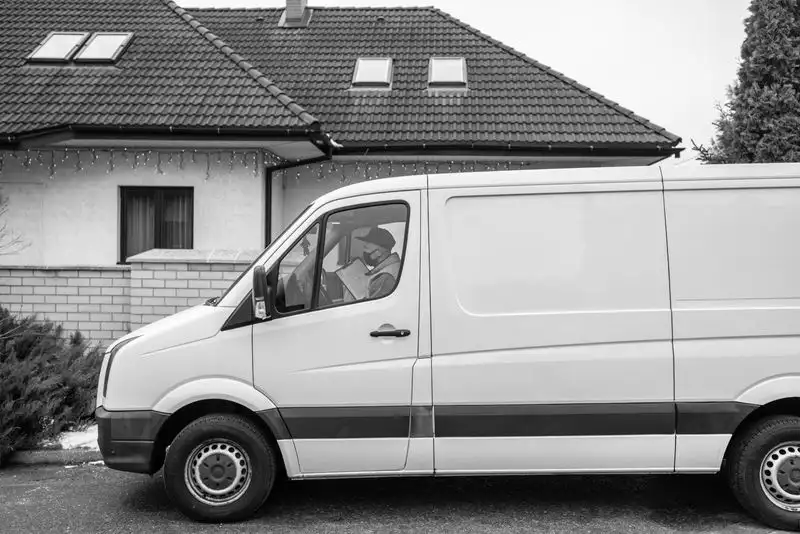
A standard panel van - Transit, Sprinter, Vivaro - parked on a properly built resin drive every night is fine. Thousands of trades across the country do exactly this. Where extra thought pays off is at the heavier end and in the habits: a van regularly loaded near its 3.5-tonne limit, a large motorhome, or any heavy vehicle parked in precisely the same spot every single day, concentrating its load on the same few square feet for years. None of these rule out resin; they just mean the specification should reflect the use - a deeper sub-base and a surface at the thicker end of the range where the vehicle sits.
This is the same principle that applies to commercial resin surfacing, just at domestic scale: match the build-up to the loading, and the surface performs. The only vehicles genuinely beyond a domestic resin spec are the truly heavy ones - HGVs, plant, anything well past 3.5 tonnes as a regular visitor - which need engineering that most home driveways will never require. For everything a normal Swindon household parks, including the chunkiest EVs and a loaded work van, correctly specified resin copes.
The Habits That Actually Mark Surfaces
Since we’re being thorough, it’s worth separating vehicle weight - which a good driveway handles easily - from the couple of specific habits that can mark any surface, resin included.
The main one is dry steering: turning the wheel hard while the car is stationary, grinding the tyre against one spot. Modern power steering makes it effortless to do and heavy cars make it more punishing; it can scuff tarmac, block paving and resin alike. On a resin drive it matters most in the first week or two after installation, while the surface reaches full cure - after that, normal manoeuvring is a non-issue, but avoiding aggressive on-the-spot turns is a good habit on any surface for life. The other is concentrated point loads on hot days - a trolley jack, a caravan steady, a motorbike stand - where a small board under the load spreads it and prevents any impression. That’s it. Driving, parking, turning while moving: all completely normal use the surface is built for.
Neither of these is a weight issue, note - a light car dry-steered aggressively is harsher on a surface than a heavy one parked sensibly. Weight is carried by the base; marks come from habits.
What To Tell Your Installer
Pulling this together into something practical: the weight question is answered at the quote stage, and it takes about a minute.
Tell your installer what will actually live on the driveway - the EV and its planned charger, the work van and where it parks, the motorhome that visits each summer. A good installer will confirm the sub-base spec covers it, thicken the build-up where a heavy vehicle regularly sits, and duct for the charger cable while the ground is open. That short conversation is the entire difference between a driveway specified for your real life and one specified for a generic household. It’s also a useful installer filter: anyone who waves the question away without talking about the sub-base is telling you something about how they build. Our guide to choosing a resin driveway installer covers the rest of that filter.
So: SUVs, vans, EVs - all fine, on a driveway built properly for Swindon’s ground. If you want it confirmed for your actual vehicles and your actual plot, get in touch for a free site visit and we’ll spec it for what you really drive, in writing.
Frequently Asked Questions
Can a resin driveway take the weight of an SUV or 4x4?
Yes, comfortably - provided it's built properly. A resin bound driveway over a correctly specified, well-compacted sub-base handles family SUVs and 4x4s without issue, and that includes the larger models now common on Swindon driveways. The weight is carried by the sub-base, not the 15-18mm resin surface, so the key is the groundwork underneath. A driveway that struggles under an SUV almost always has a sub-base problem, not a resin problem.
Are electric cars too heavy for resin driveways?
No. EVs are heavier than equivalent petrol cars - often by 300-500kg because of the battery - but a properly built resin driveway takes that comfortably. A typical family EV weighs around 1.8-2.5 tonnes, well within what a correct residential build-up carries. It's worth mentioning an EV (and a home charger) at the quote stage so the installer can confirm the sub-base spec and plan cable routes, but there's no need to avoid resin because you drive electric.
Can I park a work van on a resin driveway?
A standard van - a Transit, Sprinter or similar - is fine on a properly built resin driveway, including parked overnight every night. The situations that need extra thought are heavier vehicles (3.5 tonnes and up), a van always parked in exactly the same spot, or one loaded near its limit. Tell your installer at the quote stage: they can spec a deeper sub-base and thicker surface where the van sits. What damages driveways is under-specification, not the van itself.
Do car tyres mark or dent resin driveways?
On a cured, properly installed resin bound surface, normal parking and driving cause no marking. The two situations worth knowing about are turning the steering wheel aggressively on the spot while stationary (dry steering), which can scuff any surface and is worth avoiding in the first week or two after installation, and very hot days combined with prolonged point loads like a jack or motorbike stand, where a board under the load spreads it. Day-to-day driving, parking and manoeuvring are exactly what the surface is designed for.