
21 September 2026
Resin Driveways And Home Insurance In Swindon: What A Policy Covers
Most Swindon homeowners give their buildings insurance about ninety seconds of thought a year, usually at renewal, and almost none of that time goes on the bit of the property they drive over every day. It matters more here than in most towns. The Association of British Insurers recorded roughly 23,000 subsidence claims across the UK in 2022, around 18,000 of them in the six months after that July heatwave, with an expected bill of £219 million and an average claim of £9,600. Swindon sits on shrink-swell clay, which is the ground type behind most of those numbers. Add a resin driveway costing somewhere between £5,000 and £10,000 for a typical family-sized plot and it becomes worth ten minutes with the policy booklet. What follows is general background only, not advice on your specific policy, because wordings genuinely do differ between insurers.
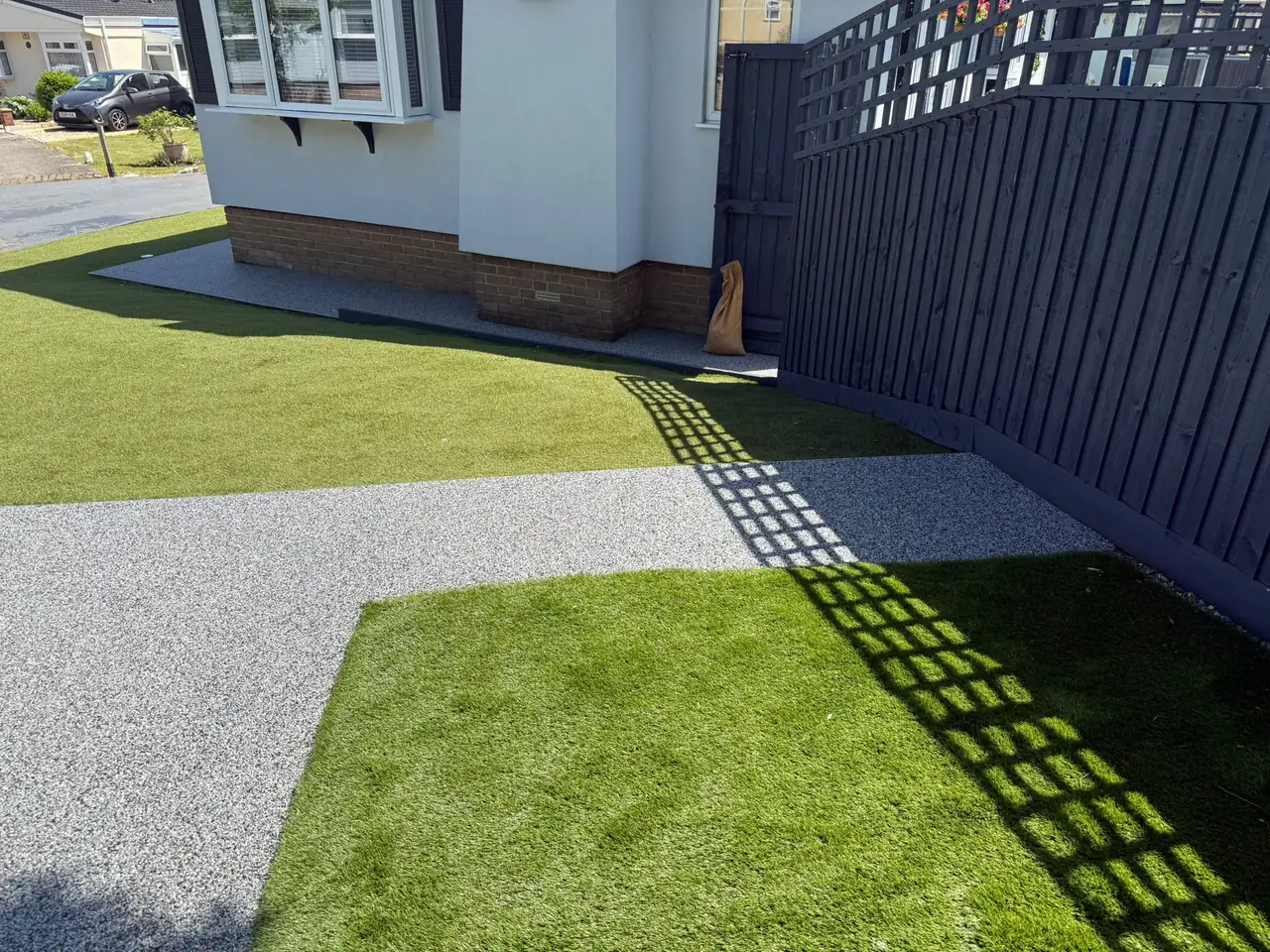
Watch: what an insurer will and won't pay for once the resin is down.
Is A Driveway Part Of “The Buildings” At All?
Start with the definition, because everything downstream depends on it. Buildings cover protects the structure of your home and, in most wordings, the permanent structures around it. A resin bound driveway is fixed to a compacted sub-base, cannot be lifted and taken to your next house, and is treated by most insurers as part of the buildings for that reason. Paths, patios, boundary walls, gates, fences and hard standing usually appear in the same list.
The catch is that “usually” is doing real work in that sentence. Some insurers put drives and paths in their own sub-section with tighter terms than the house itself. Others apply a monetary cap on external structures, or exclude gates and fences from storm damage entirely while keeping the driveway in. A few define buildings so tightly that anything beyond the external walls needs to be specifically listed.
So the useful first step is not to ask whether driveways are covered in general. It is to open your own policy booklet, find the definitions page, and read what your insurer has written down. Take a photo of it on your phone while you are there. It takes a minute and it is the single most useful thing in this post.
Where Accidental Damage Runs Out
Accidental damage is the optional extra people assume covers everything careless. It is narrower than that. What it insures is sudden, unexpected, one-off physical damage that nobody meant to cause, and dropping a paving slab on the corner of the drive is exactly the kind of thing it was written for.
Two limits catch people out. The first is that buildings accidental damage often stops at the external walls, or applies to outbuildings and external structures on noticeably narrower terms. If you have added accidental damage expecting it to cover the drive, check whether it extends there at all. The second is the gap between accidental and gradual. Damage that built up slowly, from wear, weather, poor maintenance or a defect in the original installation, is not accidental in insurance terms and is usually excluded outright no matter how unwelcome it was.
That second point catches out more Swindon homeowners than the first. A surface that has been quietly deteriorating for three winters has a cause, and it is not an accident. It is either a maintenance issue, which is yours, or an installation defect, which belongs to whoever laid it.
Subsidence, Heave And The Ground Under Swindon

Swindon’s Oxford and Kimmeridge clay expands when wet and contracts when it dries out, which is why the town’s driveways, garden walls and paths show movement long before anyone worries about a house. The British Geological Survey’s work on shrink-swell clay records over 10,000 UK households claiming a combined £64 million in just July to September 2018, after a summer that dried clay soils to unusual depth. Summer 2022 did the same thing on a larger scale. If you live in Haydon Wick, Priory Vale or Tadpole Garden Village, where estate landscaping planted a generation of young trees into clay, this is not abstract.
Why the excess is so much bigger
Now the number most people have never looked at. Your policy schedule almost certainly carries two excess figures: a standard one, often £100 to £500, and a separate subsidence excess starting around £1,000 and climbing from there if the property has moved before. Which? sets out how subsidence cover is structured and why that second figure exists. Investigating ground movement means monitoring a property across the seasons, digging trial pits and often identifying a tree, which is slow and costly work.
What this means for a driveway specifically
A driveway sinking on its own is unlikely to be a subsidence claim. Insurers are concerned with movement affecting the structure of the home, and many wordings state plainly that damage to paths, drives, patios and walls is only covered when the main building is damaged at the same time. A dip by the gate, with the house perfectly sound, usually points at the sub-base rather than the geology. Our longer piece on the clay under Swindon and why driveways fail here goes into what the ground is doing and why depth of build-up matters so much on it.
Heave works in the opposite direction and gets less attention. Remove a mature tree that has been drinking from clay for decades and the ground slowly rehydrates and lifts. It is a recognised cause of damage in most wordings, and worth a thought before anyone takes a chainsaw to something large in a Swindon front garden.
Oil, Fuel And Whatever Leaked Onto It

Spills are the everyday one. Engine oil from a car that has started weeping, diesel from a jerry can, brake fluid, petrol, weedkiller, a tin of masonry paint knocked over during a bank holiday. Resin bound surfacing copes with a great deal, but aggressive solvents left to soak in are the exception rather than the rule.
Insurance-wise, a sudden one-off spill might fall under accidental damage if your policy extends that cover to external surfaces. A slow drip from a car parked in the same spot for two years almost certainly will not, because it is gradual and because most policies exclude contamination and pollution in some form. There is also frequently a wear and tear exclusion sitting alongside it.
The practical answer is not an insurance one. Deal with a spill in the first hour and it is usually a non-event: absorb it with sand or cat litter, lift the residue, then wash through with warm water and a mild detergent. Leave the same spill for a fortnight of sun and it has gone somewhere a cloth cannot reach.
Storm And Flood: The Surface Versus What Is Under It
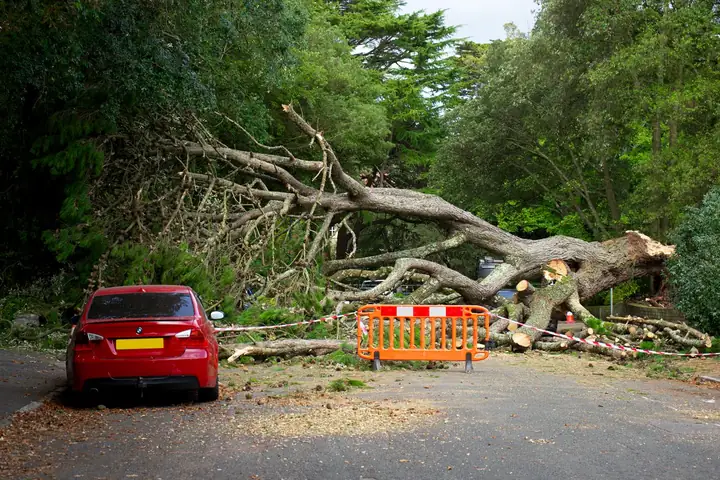
Storm cover generally requires a storm, which sounds obvious until you see how insurers define it: high winds, torrential rain, hail or snow at intensities they will look up against weather records for your postcode on the date you claim. A wet fortnight is not a storm. A named storm dropping a lime tree across your drive very much is, and damage from the impact is the kind of thing buildings cover exists for.
Flood is the more interesting case for a driveway, because the damage you can see and the damage that matters are rarely the same thing. Resin bound surfacing is permeable, so floodwater generally passes through rather than lifting it. What flooding can do is wash fines out of a sub-base, or saturate clay so thoroughly that it swells and moves. That shows up months later as a dip or a soft spot, at which point the link back to the flood is difficult to prove and easy for anyone to dispute.
If your street floods, take photographs on the day. Date-stamped images of water sitting across the drive are worth a great deal more than a recollection in March that things were bad in November.
When Somebody Else Breaks It
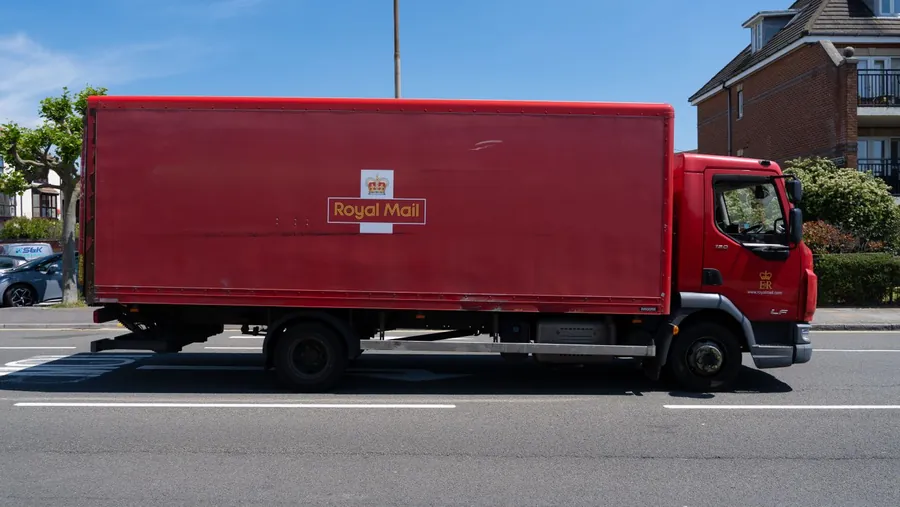
Driveways get damaged by other people’s vehicles more often than by anything else on this list. A skip lorry with outriggers down, a grab wagon collecting spoil, a removals van turning on a warm day, a builder’s tipper reversing up to a neighbour’s extension. Point loads and turning tyres are hard on any surface.
The route here usually runs through the other party rather than your own policy, which avoids an excess and keeps your claims history clean. That means collecting evidence at the time: registration, company name and branding, the driver’s name if they give it, and photographs showing both the vehicle and the damage in the same frame if you can manage it. Report it to the company in writing the same week.
Your own buildings policy may still be an option if the third party denies it, subject to what your wording covers and what your excess is. Where an insurer and a policyholder disagree about whether something is covered, the Financial Ombudsman Service explains how home insurance complaints are handled, including disputes over buildings cover, storm damage and ground movement. It is free to use once you have been through the insurer’s own complaints process.
Do You Have To Tell Your Insurer About A New Driveway?
Policies commonly ask you to notify material changes to the property, and most spell out what they mean by that: extensions, loft conversions, structural alterations, changes of use, periods standing empty. Resurfacing an existing drive with resin rarely appears on that list, and a like-for-like replacement is unlikely to change anything an underwriter cares about.
The judgement call comes when you are adding hard surface that was not there before, such as turning a front lawn into parking for two cars. That is a real addition to the buildings, and buildings insurance is priced on rebuild cost rather than market value. If your sum insured was calculated years ago on a house with a strip of grass at the front, it will not include the cost of reinstating 45 square metres of resin bound surfacing at current rates of roughly £130 to £200 per square metre.
So call them, ask plainly, and write down the date, the name and what you were told. Then revisit the sum insured whenever you spend real money on the property. Underinsurance bites hardest at the exact moment you need the policy to work.
What Your Installer Covers, And How To Evidence A Claim

Two entirely separate forms of protection sit alongside your policy, and they cover things no insurer will. Public liability insurance, which any competent installer carries and which commonly runs at £1 million to £5 million, covers damage caused by the contractor while working on your property, so a cracked bay window or a damaged neighbouring wall is their insurer’s problem and not yours. The workmanship and supplier guarantees cover the surface failing because of how it was built or what it was made from, which is exactly the category your buildings policy excludes as a defect. Our post on what a resin driveway guarantee actually covers takes those documents apart in detail.
Evidence is what decides claims, and almost all of it is gathered before anything goes wrong. Keep the original quote showing excavation depth, sub-base specification and the resin system by name. Keep the invoice. Keep the guarantee document. Photograph the drive when it is finished and once a year after that, ideally from the same spot, and let your phone record the dates for you.
Then, when something does happen, photograph it immediately and from several angles, including a wide shot that shows where on the property it sits. A claim supported by a specification, a dated set of before photographs and a clear cause is a different conversation from one that opens with the words “it has been like that a while”.
None of the above overrides your own policy wording, which is the only document that decides what you are covered for. If your drive has been damaged, or you are planning a new one and want a written specification worth keeping in the file with your insurance paperwork, book a free site visit and quote in Swindon.
Frequently Asked Questions
Is my driveway covered by buildings insurance or contents insurance?
Driveways are normally dealt with under buildings cover rather than contents, because they are a permanent structure attached to the land rather than something you would take with you when you move. That said, the definition of 'buildings' is written out in full in every policy booklet, usually in the first few pages, and some insurers list paths, drives, patios, walls, gates and fences as a separate category with its own limits or exclusions. Read your own wording rather than assuming, and if it is ambiguous, ask your insurer to confirm in writing what the driveway sits under.
Why is the excess on a subsidence claim so much higher?
Because subsidence claims are long, expensive and hard to investigate. A storm claim is settled in weeks; a subsidence claim can involve monitoring the property across a full seasonal cycle, trial pits, root analysis and sometimes underpinning. Where a standard buildings excess might be £100 to £500, subsidence excesses commonly start at £1,000, and rise further on properties with a history of movement. The figure is printed in your schedule, so you can check yours in about thirty seconds.
Do I need to tell my insurer I have had a new driveway laid?
There is no blanket rule, and it depends on what your insurer asks you. Most policies require you to notify material changes to the property, and many ask specifically about structural alterations or extensions rather than resurfacing. A like-for-like driveway replacement rarely moves the needle. Converting a front garden into parking for the first time, or adding a large area of new hard surface, is more likely to be worth a phone call, partly so the sum insured still reflects what would need rebuilding. A short call and a note of who you spoke to costs nothing.
If a delivery driver damages my driveway, whose insurance pays?
In the first instance you would normally pursue the company whose vehicle caused the damage, through their motor or liability insurer, rather than claiming on your own policy and paying an excess. Get the registration, the firm's name, the driver's name if offered, and photographs taken at the time. If the third party denies it or goes quiet, your own buildings policy may be an option depending on what it covers, and some insurers will pursue the other party on your behalf. Every case turns on its own facts and its own policy wording.