
4 August 2026
Can You Lay Resin Over Block Paving? An Honest Swindon Guide
It’s one of the most common questions we get from Swindon homeowners with a tired block paving driveway: can you just lay resin straight over the top? It’s an appealing idea - the blocks are already there, so surely it saves digging everything out and starting again. And with sound concrete or tarmac, laying resin over an existing surface often is the sensible, cost-saving route. But block paving is a different animal, and the realistic answer is that laying resin directly over it is rarely a good idea. The reasons come down to how block paving is built, and how that clashes with what a resin surface needs underneath it. Here’s the straight version, including what to do instead.
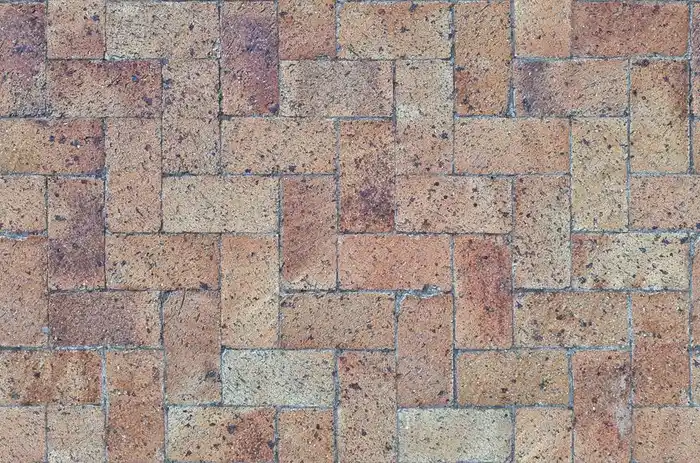
Why Block Paving Is A Problem Base
To understand why, you have to look at what block paving actually is - because it’s very different from the solid surfaces resin overlays well.
A block paving driveway is hundreds of individual concrete or clay blocks, bedded on a layer of sand over a sub-base, held in place by the joints between them and edge restraints around the perimeter. That’s a system that relies on lots of small, independent units staying put together. It works well as block paving, but it’s not a solid, continuous slab. Each block can, in principle, move on its own.
A resin bound surface, by contrast, needs a stable, solid base that doesn’t move. It’s a thin, continuous 15-18mm layer, and it faithfully follows whatever is underneath it. Lay it over hundreds of separate blocks, and you’ve put a continuous surface on top of a base made of moving parts. Any independent movement, and the outline of the joints, has somewhere to go: up into your new resin surface.
What Actually Goes Wrong
The problems with a resin-over-block-paving job aren’t hypothetical - they’re predictable, and they tend to show up within a couple of years.
The most common is cracking and joint telegraphing. As individual blocks shift even slightly with ground movement, the stress transfers into the resin above, and cracks appear - often tracing the lines of the joints beneath. On Swindon’s shrink-swell clay, which moves seasonally, this movement is more likely, not less. Once those cracks open, water gets in, and the problem accelerates.
Then there’s settlement. If any blocks sink - common where the original sand bed or sub-base wasn’t perfect - the resin over them dips too, leaving an uneven surface. And because block paving is designed to be permeable through its joints, sealing over it with resin can change how water moves through the whole construction, sometimes trapping it where the blocks are bedded. None of these are easy to fix after the fact, because putting it right usually means removing both the resin and the blocks.
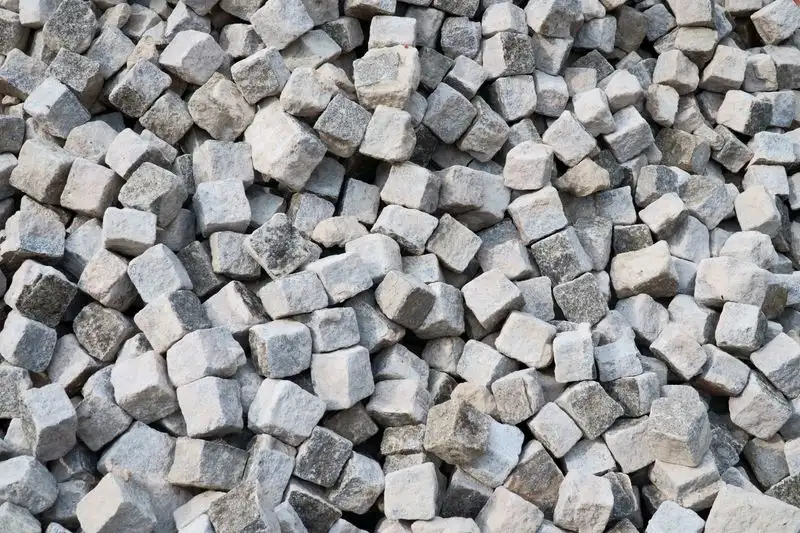
The Better Approach: Lift And Relay
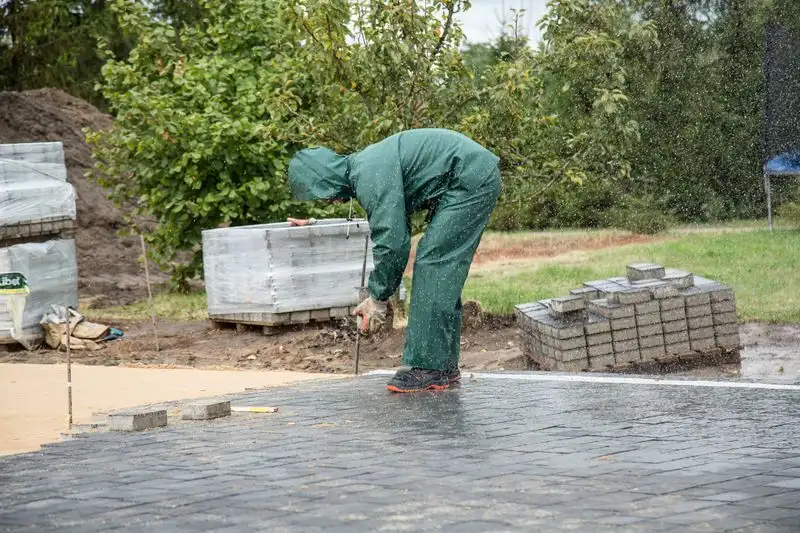
For most Swindon driveways, the right way to go from block paving to resin is to lift the blocks and lay the resin on a proper base. It’s more work than an overlay, but it’s the route that actually lasts.
Lifting the block paving lets us build the foundation resin needs: a firm, level, compacted, permeable sub-base, free of the movement and joints that cause overlay failures. On this, a resin surface performs exactly as it should - stable, even, and permeable, with the full 20-25 year lifespan. There’s no telegraphing, no independent block movement, and no water trapped in an old sand bed. It’s the difference between a driveway built to last and one built to look fine for a season.
The lifted blocks aren’t necessarily wasted, either. Sound block paving can often be sold, reused elsewhere, or recycled, which offsets a little of the cost. We’ll always tell you honestly whether your existing blocks are worth anything or simply need clearing.
When An Overlay Might Just Work
It’s only fair to say that “never” isn’t quite right - there are narrow circumstances where laying over block paving can be considered, so long as expectations are realistic.
If the block paving is exceptionally sound - laid on a genuinely solid sub-base, with no movement, no sinking, no rocking blocks, tight joints, and a stable, well-drained foundation - and there’s sound concrete or a proper bound base beneath it, an experienced installer might, after careful assessment, consider it. Some approaches involve stabilising the blocks first or treating the layer as part of a solid base rather than loose units. But these are exceptions that need a proper on-site judgement, not a default.
Even then, the realistic position is usually that lifting and relaying is the safer bet on Swindon’s clay. If someone quotes cheerfully to resin straight over your block paving without properly checking what’s underneath and whether it moves, be cautious - that’s exactly the kind of shortcut that comes back as cracks. Our guide to laying resin over existing concrete or tarmac explains what a genuinely suitable overlay base looks like.
Why The Base Matters So Much On Clay
This all comes back to Swindon’s ground, because it’s the reason the stakes are higher here than in some other places.
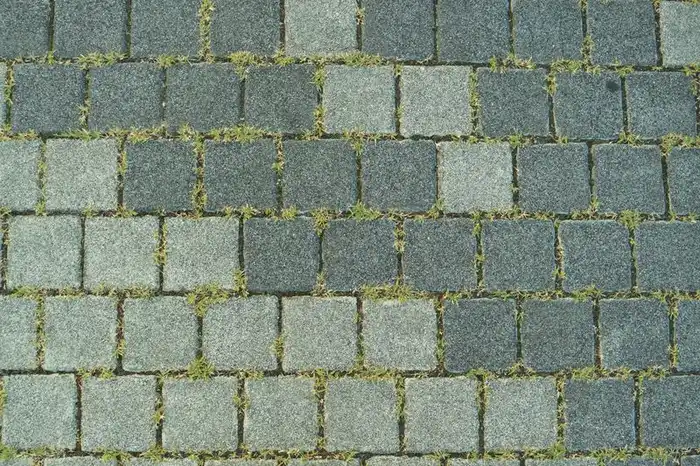
Much of Swindon sits on heavy clay that swells when wet and shrinks when dry, moving with the seasons. That movement is exactly what unsettles block paving over time - it’s why so many block drives around the town end up with sunken sections, lifted blocks and weedy, uneven joints. Put a rigid, continuous resin surface over blocks that are already prone to moving on clay, and you’re building in the conditions for cracking from day one.
A properly excavated, compacted, permeable sub-base is what absorbs and manages that ground movement, which is why lifting the blocks and building it correctly matters so much locally. We go into how the base drives everything in our resin driveway repair guide - the short version is that on clay, the foundation is the whole game.
What It Means For Cost
The cost question is what tempts people toward an overlay, so it’s worth being straight about it.
Laying resin over block paving looks cheaper because it skips the lifting, muck-away and base work. But if the surface cracks or dips because the blocks moved - which on clay is likely - you’re paying twice: once for the failed overlay, and again to remove both layers and do it properly. A job that fails costs more than the job done right the first time. Lifting and relaying carries a higher upfront figure, but it buys a driveway that actually lasts its full lifespan, with no nasty surprises in year three.
There’s a genuine saving to be had on overlays - but it’s on solid, stable bases like sound concrete, not on loose-laid blocks. Our resin driveway cost guide breaks down what goes into a proper price.
The Honest Answer
Can you lay resin over block paving? Occasionally, in the right circumstances, with a careful assessment - but for most Swindon driveways, laying resin directly over block paving is a shortcut that leads to cracking and an uneven surface, because loose-laid blocks move and resin needs a solid, stable base. The reliable route is to lift the paving and lay resin on a properly built permeable sub-base, which gives you the surface resin is capable of being.
If you’ve got a tired block paving driveway and want resin, the best first step is to have someone look at what’s actually there - the condition of the blocks, what’s underneath, and how the ground behaves. Get in touch for a free site visit and we’ll give you an honest assessment and the right approach for your driveway, not the cheapest-sounding one.
Frequently Asked Questions
Can you lay resin over existing block paving?
It's possible in some cases, but it's rarely the best approach and often not advisable. Block paving is made of individual blocks that can move independently, and the joints and any settlement transfer up into a resin surface laid over the top, causing cracking and unevenness. For most Swindon driveways, the better route is either to lift the block paving and lay resin on a proper sub-base, or to lay resin over a stable, solid base like sound concrete instead. We assess each driveway individually before advising.
Why isn't laying resin over block paving recommended?
Because block paving isn't a solid, continuous base. It's hundreds of separate blocks bedded on sand, held by joints and edge restraints. Individual blocks can rock, sink or shift with the ground - especially on Swindon's clay - and any movement or the pattern of the joints can telegraph through a thin resin layer laid on top, leading to cracks and an uneven finish. A resin surface needs a stable, solid, permeable base to perform, which loose-laid blocks don't reliably provide.
What should you do with an old block paving driveway if you want resin?
The usual best option is to lift the block paving and lay the resin on a properly prepared, compacted permeable sub-base. This removes the risk of movement and gives the resin the solid foundation it needs. The lifted blocks can often be sold, reused or recycled. In some cases, if there's sound concrete beneath the blocks, that can form the base instead. We assess what's underneath on a site visit before recommending the right approach.
Is it cheaper to lay resin over block paving than to remove it?
It can look cheaper upfront because it skips lifting the blocks, but it's usually a false economy. If the resin cracks or lifts because the blocks moved underneath, you pay again to put it right - and fixing it properly then means removing both layers. Doing it correctly first time, by lifting the paving and building a proper base, costs more initially but avoids a failed surface. On clay ground especially, cutting this corner rarely pays off.