
22 July 2026
Resin Bound Patios: A Guide For Swindon Gardens
A patio is where a garden actually gets used - the spot for the table and chairs, the barbecue, the hot tub, or just a coffee in the morning sun. So when the old slabs start to crack, sink or turn green, it’s worth thinking beyond a like-for-like replacement. Resin bound patios have become a popular alternative across Swindon gardens over the last decade, and for good reason: no weeds through the joints, no wobbling slabs, and a surface that drains rather than pooling on the heavy clay so much of the town sits on. Around 4 in 10 of the resin projects we quote now involve a patio rather than a driveway. Here’s a proper guide to what a resin bound patio is, what it costs, and whether it’s right for your garden.
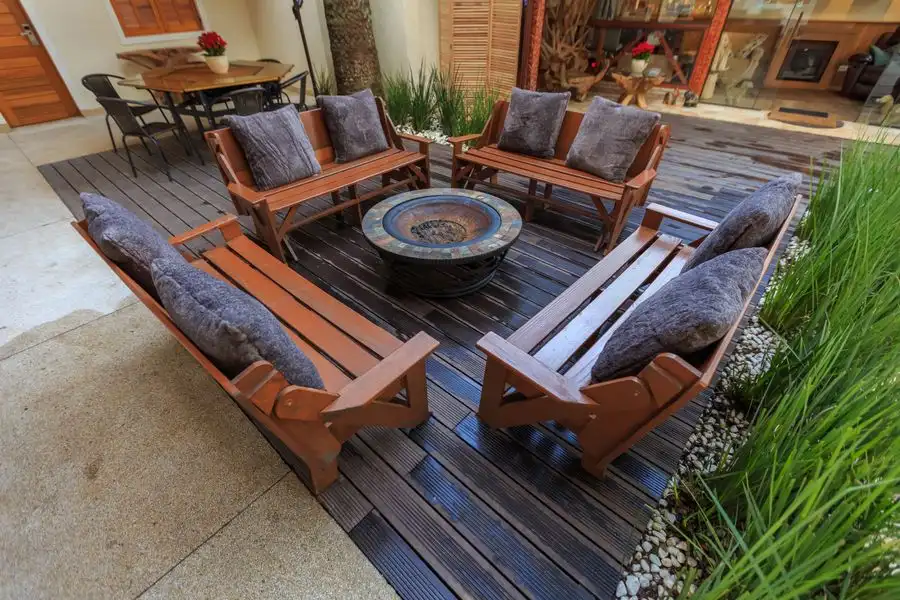
What A Resin Bound Patio Actually Is
A resin bound patio is the same material as a resin driveway, just laid for a different job. Natural aggregate stone - quartz, granite or flint, usually 1-3mm - is mixed with a clear, UV-stable resin and trowelled by hand over a prepared base to a smooth, level finish around 15-18mm thick.
Because every stone is coated and bound to its neighbours, there are no joints, no loose stone, and no gaps. That’s the big difference from paving slabs. No mortar lines to weed or re-point, no individual slabs to sink or lift, and a continuous surface that’s comfortable underfoot and easy to sweep. It’s also permeable, so rain drains straight through into the ground rather than sitting on top.
If you want the technical detail on the material itself, our guide to what resin bound stone is covers how it’s made and specified. For a patio, the same principles apply as a driveway - the surface is only as good as the base underneath it.
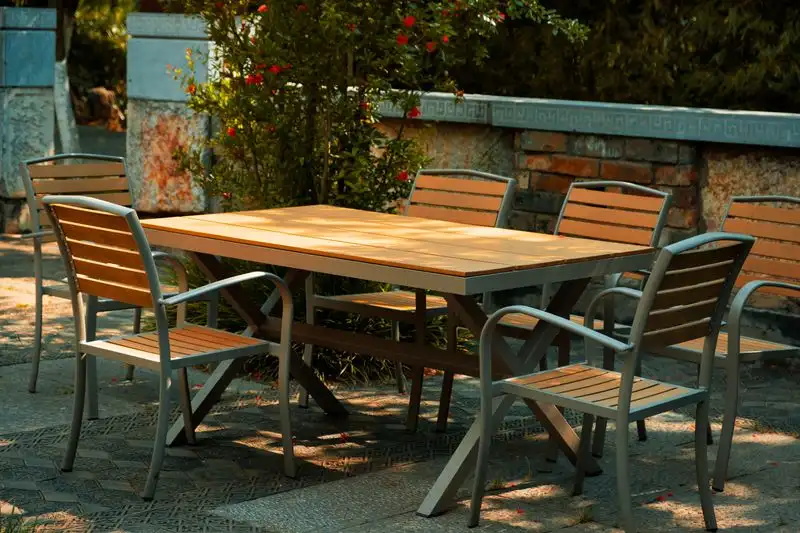
Why Resin Suits Swindon Gardens
The case for resin in Swindon comes back, as it so often does here, to clay.
Most of the town’s gardens sit on heavy clay that holds water and drains slowly. Lay solid paving slabs over clay and rainwater has nowhere to go - it pools in the low spots, sits in the joints, and in winter freezes and lifts the slabs. That’s why so many older patios around the town, on the estates in Park North, Walcot and Nythe, end up cracked, uneven and green with algae within a decade.
A resin bound patio drains straight through into the ground beneath, so surface water stops being a problem. The clay stays more stable, there’s no standing water to freeze, and no joints for moss to colonise. On this ground, a permeable surface genuinely outlasts solid slabs - it’s working with the drainage rather than fighting it. Add in the lack of weeding and re-pointing, and it’s a low-maintenance answer to a garden surface that usually gets a hard time from British weather.
Resin Patio vs Slabs vs Decking
Most people weighing up a patio are choosing between three things: resin, paving slabs, and timber decking. Each has its place.
Paving slabs are the traditional choice and can look beautiful, especially natural stone. But they come with joints - and joints mean weeds, re-pointing, and moss in the shade. On clay they can rock and sink over time, and wet or mossy slabs get slippery. They’re often the cheapest of the three upfront.
Timber decking suits sloped or raised areas and gives a warm, natural look, but it’s the highest maintenance of the lot: annual treating or oiling, boards that warp and need replacing, and a surface that gets slippery when wet or algae-covered. Realistically it lasts 10-15 years with upkeep.
Resin bound sits between them on upfront cost but wins on maintenance and longevity - 20-25 years, no weeding, no re-pointing, no annual treatment, good grip when wet. Where it’s less of a fit is if you specifically want the character of individual natural stone flags, which is a look resin doesn’t replicate. Our full resin vs block paving comparison covers the paving side in more depth if that’s your main alternative.
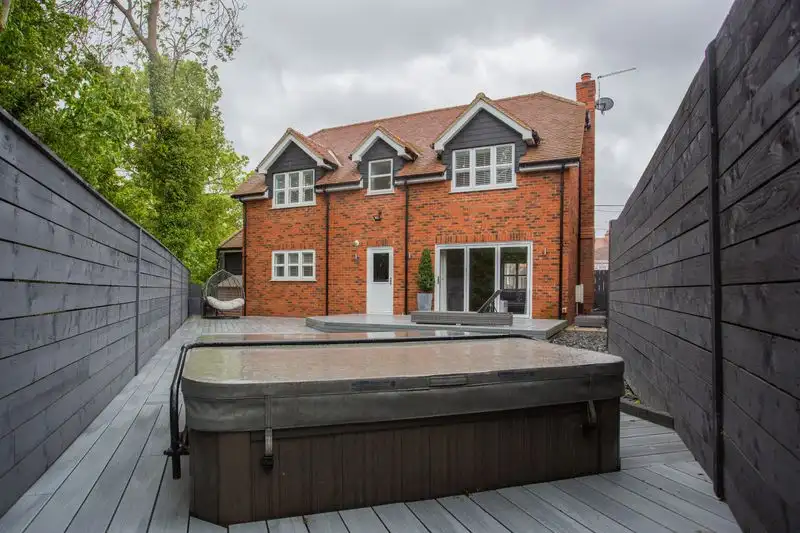
Design Options For Your Garden
One thing resin does that slabs can’t is flow into any shape. Because it’s trowelled rather than laid in units, a resin patio can follow curves, wrap around a planted border, or fit an awkward plot without cut edges and infill pieces.
That opens up design choices. A simple rectangular seating area by the back door is the most common, but resin works just as well for a curved patio that hugs a lawn edge, a larger space linking the house to a garden room, or a base for a hot tub where a level, non-slip, well-draining surface really matters. You can set contrasting borders, combine two aggregate colours, or run the same finish from patio to path to driveway so the whole garden ties together.
Colour is the other big decision, and it’s the same aggregate range as driveways - buff and gold tones that warm up a garden, or cooler greys and charcoals for a contemporary look. Seeing samples against your own house and planting is the only reliable way to choose; our post on the best resin colours for Swindon homes walks through how to pick.
What A Resin Patio Costs
Resin bound surfacing runs £100-£300 per square metre installed, and most Swindon patio projects land somewhere between £1,500 and £6,000. The spread comes down to a few things.
Size is the obvious one - a small 15-20m² seating area is a one-day job at the lower end, while a large patio with level changes takes longer and uses more material. The condition of the existing base matters just as much: if your current slabs or concrete are sound and level, resin can often go straight over after preparation, keeping the price down. If the base is cracked, sunken or sitting on soft clay, a new permeable sub-base is needed, which adds cost but is essential for a lasting result.
Steps, borders and drainage work add to the figure too. If your garden has a level change from the back door, or a spot that floods after rain, those are worth sorting at the same time rather than later. Every quote is free and based on an actual look at your garden - there’s no realistic way to price a patio without seeing the ground.
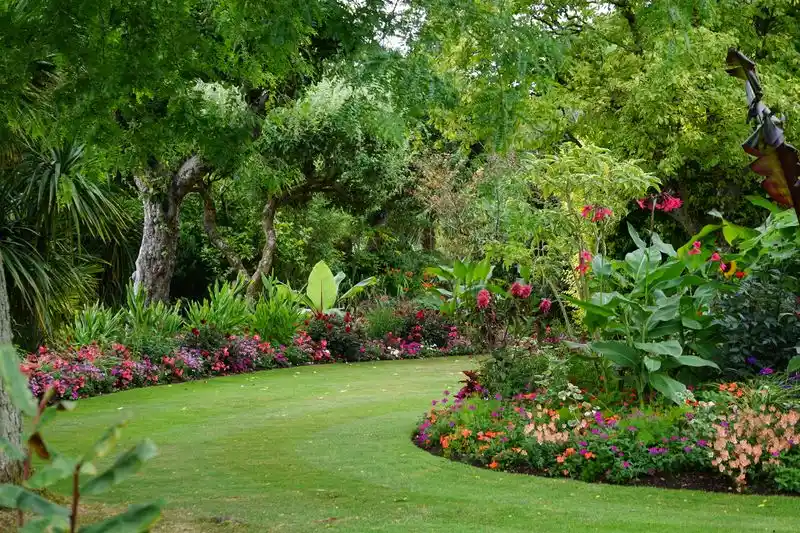
What To Expect On Installation Day
A resin patio is a quick job compared to most garden work, but the quality is decided by the preparation, not the pour.
First the base is sorted. Old slabs are lifted where needed, soft ground is dug out, and a firm, level, permeable sub-base is laid and compacted - on clay this stage is the one that matters most for how long the patio lasts. Edge restraints go in around the perimeter to contain the resin and give a clean finish. Then the aggregate and resin are mixed on site and hand-trowelled to a smooth, even surface.
Most patios are a one to two day job. The surface is walk-on ready within about 24 hours, and we’d ask you to keep heavy furniture, planters and the hot tub off it for 48-72 hours while it fully cures - a little longer in cooler weather. After that, upkeep is genuinely minimal: a sweep, an occasional rinse, and dealing with the odd spill. Our resin cleaning guide applies just as well to patios as driveways.
Is A Resin Patio Right For You?
For most Swindon gardens, a resin bound patio is a strong choice - it drains on clay, needs almost no maintenance, grips well when wet, and can be shaped to fit any plot. It’s a particularly good fit around hot tubs and garden rooms, and anywhere the old slabs have cracked or turned into a weeding chore.
It’s less of an obvious pick if your heart is set on the look of individual natural stone flags, or if the budget only stretches to the cheapest option and you’re happy to accept the maintenance that comes with it. But for a level, clean, long-lasting surface you can stop thinking about, it’s hard to beat.
If you’re planning a garden project, get in touch for a free site visit - we’ll look at the ground, talk through shapes and colours against your garden, and give you an honest, no-obligation quote.
Frequently Asked Questions
What is a resin bound patio?
A resin bound patio is a smooth, seamless outdoor surface made by mixing natural aggregate stone with a clear, UV-stable resin and trowelling it over a prepared base. Unlike paving slabs, there are no joints, no loose stones and no gaps for weeds. It's permeable, so rainwater drains straight through - a real advantage on Swindon's clay gardens where standing water is common. Resin patios suit seating areas, spaces around hot tubs and garden rooms, and anywhere you want a level, low-maintenance surface.
How much does a resin patio cost in Swindon?
Resin bound surfacing typically costs £100-£300 per square metre installed. Most patio projects in Swindon fall between around £1,500 and £6,000 depending on the size of the area, the aggregate blend, and how much groundwork is needed. A small seating area on a sound existing base is at the lower end; a large patio needing a new sub-base and level changes sits higher. Every quote is free and based on a site visit.
Can a resin patio be laid over existing paving slabs?
Often yes - if the existing slabs are sound, level and free from significant cracking or movement. On Swindon's clay ground, older slab bases sometimes have soft spots or movement underneath, so we assess this on every site visit. Where the base is solid, laying resin over it saves time and cost. Where it's failing, a new permeable sub-base gives a far longer-lasting result.
Is a resin patio slippery when wet?
No - resin bound patios have a naturally textured aggregate finish that gives good grip, and because the surface is permeable, water drains through rather than sitting on top as a slick film. That makes them less slippery than smooth, sealed paving slabs or timber decking when wet, which matters in Swindon's damp climate. For extra grip on shaded or sloped areas, a grippier aggregate can be specified.