
22 July 2026
Resin Vs Concrete Driveways: Which Is Better For Swindon Homes?
Concrete has surfaced British driveways for generations - it’s cheap, tough, and about as no-nonsense as a driveway gets. But it has real weaknesses, especially on ground like Swindon’s, and resin bound surfacing has taken a big share of the market by fixing most of them. If you’re weighing up the two, the honest answer isn’t that one is simply better; it’s that they suit different priorities. Concrete still wins on upfront cost for a plain finish. Resin wins on drainage, cracking, maintenance and looks. Around 7 in 10 of the driveways we lay across Swindon now use resin, and the reasons show up clearly when you put the two side by side. Here’s how they actually compare.
How Each One Is Made And Laid
The two surfaces are built on completely different principles, and that’s where most of the practical differences come from.
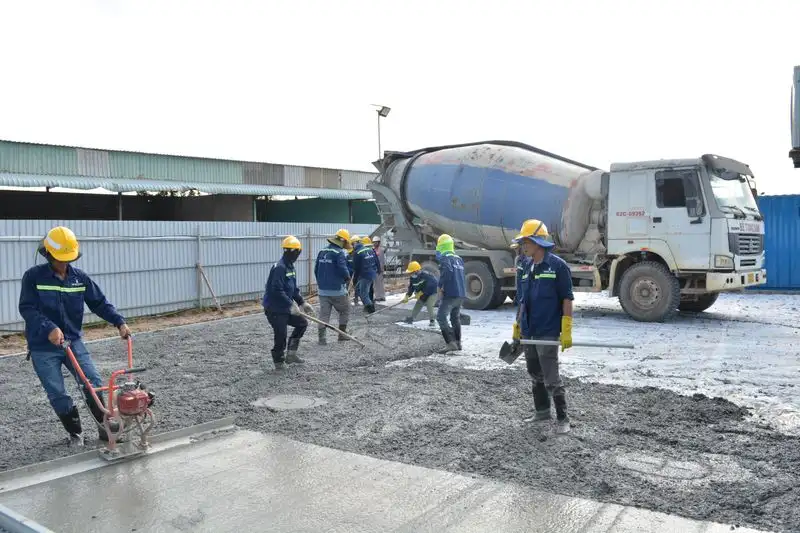
Concrete is a poured, rigid slab. Cement, aggregate and water are mixed, poured over a compacted base, levelled and left to cure into one solid mass. It sets hard and impermeable, which is exactly the problem on clay: water can’t get through it, and the slab has almost no give when the ground beneath moves. Control joints are cut in to try to manage where it cracks, but crack it usually will, eventually.
Resin bound surfacing works differently. Natural aggregate stone is coated in a clear, UV-stable resin and trowelled over a permeable sub-base to a smooth finish around 15-18mm thick. The surface is bound but not a rigid monolith, and the sub-base underneath is open-graded stone that drains freely and flexes with ground movement. If you want the technical detail, our guide to what resin bound stone is covers the material in full.
Drainage: The Big One On Swindon’s Clay
If there’s a single deciding factor between resin and concrete in Swindon, it’s drainage - and it’s not close.
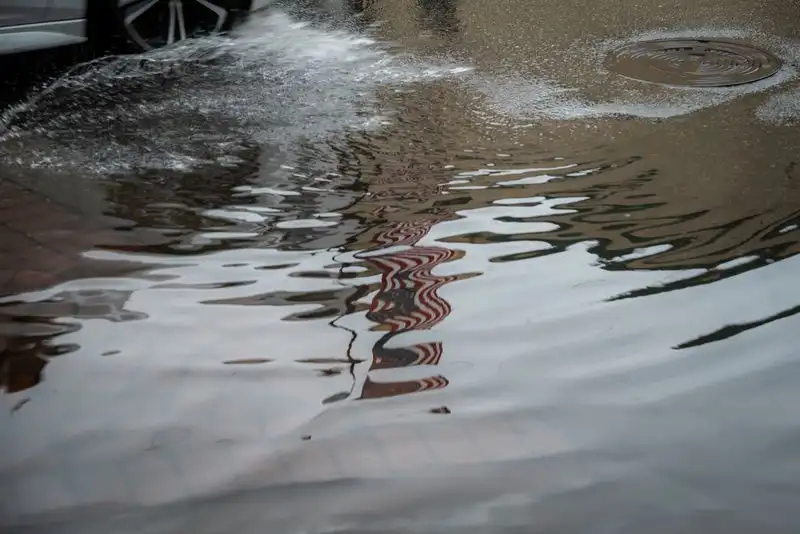
Concrete is impermeable. Every drop of rain that lands on it runs off to the lowest point, which on a front driveway usually means onto the pavement or road. That’s why a solid concrete driveway over 5m² can need planning permission, and why heavy rain pools on concrete drives across the town. On Swindon’s clay, which already drains slowly, that runoff and standing water is a genuine nuisance.
Resin bound surfacing is permeable. Rainwater drains straight through the surface and into the ground below, so there’s no runoff, no pooling, and no planning permission needed regardless of size. On clay ground that holds water, this is a real advantage - the water goes where it should rather than sheeting off or sitting on top. It’s the reason so many Swindon homeowners on the older clay-heavy estates switch to resin when a concrete drive finally gives up.
Cracking And Ground Movement
This is where concrete’s biggest weakness shows, particularly locally.
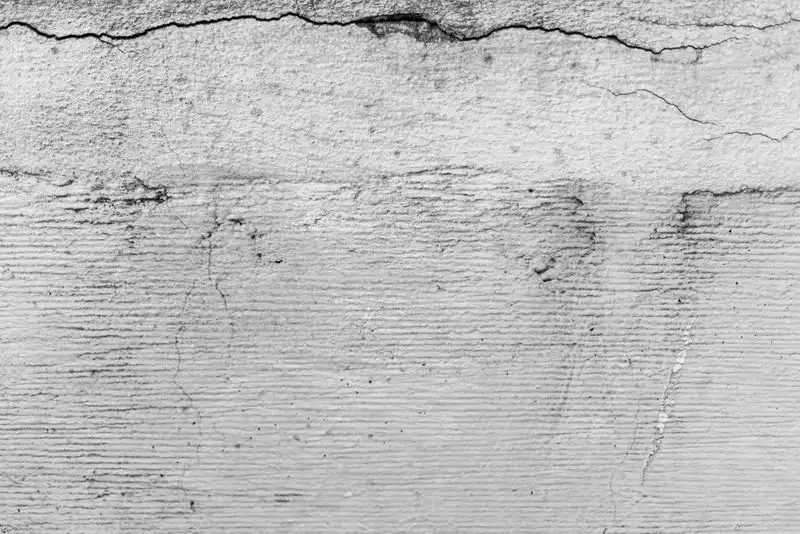
Swindon sits on shrink-swell clay that expands when wet and contracts when dry, moving with the seasons. Concrete is a rigid slab with little flexibility, so when the ground moves, the stress has to go somewhere - and it goes into cracks. You’ll see them at control joints, at corners, and radiating across the slab over the years. Once a crack opens, water gets in, freezes in winter, and widens it. Repairing cracked concrete is rarely tidy; patches never quite match, and a badly cracked slab often ends up needing full replacement.
Resin bound surfacing handles ground movement far better because it’s laid over a flexible, permeable sub-base that absorbs some of the shift, and the bound surface itself isn’t a brittle monolith. It’s not immune - nothing is, and poor groundwork will cause problems with either surface - but on Swindon’s clay, resin is much more forgiving of the seasonal movement that cracks concrete. As with everything, the sub-base is what decides it; our resin driveway repair guide explains how the base drives long-term performance.
Looks And Kerb Appeal
Plain concrete is, well, plain. A grey slab is functional and clean when new, but it’s the most utilitarian driveway finish there is, and it can grey off and stain over time. Imprinted or patterned concrete - stamped to mimic block paving or stone - is a big step up in appearance and popular for that reason, though it costs considerably more than plain and the surface sealant needs redoing every few years to keep it looking sharp.
Resin comes into its own on looks. The finish is made from natural aggregate, so you get a warm, textured, high-quality appearance in a wide range of colours - buff and gold blends that suit older Swindon brick, cooler greys and charcoals for modern homes. Because the colour is the stone itself rather than a surface dye, it doesn’t fade, and the UV-stable resin means it won’t yellow. For kerb appeal, and for anyone thinking about resale, resin generally makes a stronger impression than a concrete slab. Our post on the best resin driveway colours shows how the blends work against different properties.
Maintenance Over The Years
Concrete is low-maintenance in the sense that it’s tough and doesn’t need much doing to it - but “not much” isn’t “nothing.” Plain concrete stains from oil and organic matter, can suffer surface scaling from frost and de-icing salt, and cracks need dealing with before they spread. Imprinted concrete adds the ongoing job of re-sealing every 3-5 years to keep the pattern and colour looking good and to stop the surface degrading.
Resin bound surfacing is about as low-maintenance as a driveway gets. There are no joints for weeds, no loose stone, no sealant to refresh, and no cracks to chase on a well-built base. An occasional sweep and a rinse, plus dealing with spills promptly, is genuinely most of it - our resin cleaning guide covers the simple routine. Over a 20-year horizon, that difference in upkeep adds up, both in money and in weekends.
Cost: The Honest Numbers
This is the one area where concrete usually wins, at least on day one.
Plain concrete is typically £50-£100 per square metre installed, making it one of the cheaper driveway options upfront. Resin bound runs £100-£300 per square metre. So for a plain grey slab, concrete is clearly cheaper to lay. The gap narrows sharply, though, once you compare like for like on appearance: imprinted or patterned concrete often lands in similar territory to resin, sometimes higher, because of the labour and sealing involved.
Over time the picture shifts further. Resin’s lack of re-sealing, absence of crack repairs, and longer good-looking lifespan mean the whole-life cost is more competitive than the upfront figure suggests - especially on clay, where a concrete slab may need significant repair or replacement within 15 years while resin is still going strong. Our full resin driveway cost guide breaks the numbers down. The fair summary: if the cheapest possible plain surface is the priority, concrete wins; if you’re weighing looks, drainage and long-term upkeep, resin usually justifies the extra.
Which Should You Choose?
For most Swindon homes, resin bound surfacing is the better all-round driveway - it drains on clay, resists the cracking that plagues concrete on this ground, needs almost no maintenance, and looks considerably better. It’s the choice we’d point most homeowners toward, and it’s why it makes up the majority of our work.
Concrete still has its place. If you want the cheapest possible hard standing, the driveway is out of sight at the back of the property, or you specifically need a heavy-duty industrial surface, plain concrete is a sensible, tough option. And if you already have a sound concrete drive, you don’t necessarily need to rip it out - resin can often be laid straight over it, giving you the resin finish without the full cost of starting again. We’ve covered that in our guide to laying resin over existing concrete or tarmac.
If you’re deciding between the two for your own property, get in touch for a free site visit - we’ll look at your ground, check the condition of any existing surface, and give you an honest comparison and quote so you can choose with real numbers in front of you.
Frequently Asked Questions
Is resin better than concrete for a driveway?
For most Swindon homes, yes. Resin bound surfacing is permeable, so it drains rather than pooling on clay ground, it doesn't crack the way concrete does as the ground moves, and it needs almost no maintenance. Concrete is cheaper for a plain grey slab and very hard-wearing, but it's impermeable, prone to cracking on clay, and can look utilitarian. Where you want a low-maintenance, good-looking, permeable surface, resin wins; where budget is tight and looks don't matter, plain concrete has a place.
Does concrete crack more than resin on Swindon's clay?
Yes. Concrete is a rigid slab, so when Swindon's clay ground swells and shrinks with the seasons, the slab has little give and tends to crack - usually at stress points and control joints. Resin bound surfacing is laid over a flexible, permeable sub-base and copes with ground movement far better. Both depend on good groundwork, but resin's permeability and flexibility make it more forgiving on the shrink-swell clay common across Swindon.
Is resin or concrete cheaper for a driveway?
Plain concrete is usually cheaper upfront - roughly £50-£100 per square metre versus £100-£300 for resin bound. But patterned or imprinted concrete narrows the gap considerably, often landing in similar territory to resin. Over 20 years, resin's lower maintenance (no re-sealing, no crack repairs) and longer good-looking lifespan can offset the higher upfront cost. The right answer depends on your budget, your ground, and how the driveway needs to look.
Can you lay resin over an existing concrete driveway?
Often yes. If your existing concrete is sound, level and not significantly cracked or moving, resin bound stone can be laid straight over it after preparation, which saves the cost of digging out and starting again. If the concrete is badly cracked, sunken or lifting, it needs addressing first - laying resin over a failing slab just transfers the problem. We assess this on every site visit before quoting.